
 English
 中文简体
 Français
The Model T40 axial-flow fan is suitable for general ventilation and air exchange in factories, ware...
+ VIEW MORE
How Can a High Airflow Industrial Fan Fit Large Workspaces
Deliver multiple validated explosion-proof fan solutions
A large workspace can be difficult to keep comfortable when air does not move evenly through the area. Open production floors, warehouses, loading areas, and other industrial spaces often contain equipment, storage racks, partitions, and different working zones. These conditions can change the way air travels from one part of the building to another.
Choosing a High Airflow Industrial Fan is therefore not only about the fan itself. The surrounding space also matters. Ceiling height, work area layout, obstacles, installation position, and daily operating conditions can all affect how air moves through a facility.
A practical approach starts with the workspace rather than the equipment. Looking at where people work, where machinery is positioned, and where airflow tends to weaken can make the selection and placement process easier. The same approach also helps when a facility needs to use several fans across a larger area.
How Does Space Layout Affect High Airflow Industrial Fan Selection
The layout of a workspace provides the starting point for airflow planning. A large open floor has different requirements from a space divided by machinery, storage areas, or internal partitions. Even when two facilities appear similar in size, their internal arrangements can create very different airflow paths.
An open production area generally allows air to travel with fewer interruptions. In a more crowded workspace, however, equipment and stored materials can redirect or slow air movement. This means that selecting a fan based only on the overall size of a building may not address the conditions within the working area.
The position of people also matters. Workers may spend much of their time in fixed stations, while other parts of the building may only be used for storage or movement. Airflow planning can therefore focus on the areas where air movement has a practical purpose rather than treating every part of the building in exactly the same way.
A useful way to review the layout is to consider:
- Where people normally work
- Where machinery or fixed equipment is located
- Which areas are used for storage
- Where internal pathways need to remain clear
- Whether the space is open, divided, or irregularly arranged
The goal is not simply to move air across the largest possible area. It is to consider how the existing layout affects the way air can move through the places that matter.
How Does Ceiling Height Change Industrial Airflow Requirements
Ceiling height can change the relationship between an installed fan and the working area below it. In a building with a high ceiling, air has a greater vertical distance to travel before reaching the occupied part of the workspace. The position and direction of the fan therefore deserve attention during planning.
A fan installed at a high position may move air through a broad part of the upper space, but the effect at floor level can depend on the surrounding layout and airflow direction. In some areas, air may move down toward the working zone more directly. In others, beams, equipment, or storage arrangements can alter the path.
This is particularly relevant in facilities where workers and equipment operate below a large open ceiling. Instead of looking at ceiling height separately, it is more useful to consider it together with the location of the people and activities below.
The installation position should allow the moving air to reach the intended working area without unnecessary obstruction. A change in ceiling conditions may also affect how the fan is oriented.
For this reason, a facility review can look at three connected points:
| Workspace condition | Question to consider |
|---|---|
| Ceiling height | How far does the air need to travel before reaching the working area |
| Working position | Where are people and equipment normally located |
| Air path | Are there structures or objects that may redirect the airflow |
This approach keeps the focus on the relationship between the building and the working environment rather than treating ceiling height as an isolated factor.
Which Areas Need Airflow Coverage in a Large Industrial Space
Once the general layout and ceiling conditions have been considered, attention can turn to the areas that actually need airflow. Large workspaces rarely have the same activity level throughout the entire building.
Production stations may be occupied for long periods, while storage corners or passageways may have a different purpose. Loading areas can also change depending on how the space is used. Identifying these differences helps prevent airflow planning from becoming a simple exercise in covering empty floor space.
The location of heat-producing equipment can also influence where air movement is needed. Likewise, areas with limited natural air movement may deserve closer attention than sections that are already relatively open.
It can help to divide the workspace into practical zones:
- Regular working areas
- Equipment and machinery areas
- Movement and access paths
- Storage sections
- Areas where air tends to remain relatively still
These zones do not necessarily need identical airflow. Their purpose, occupancy, and surrounding conditions can be different.
A High Airflow Industrial Fan may therefore be positioned with a particular working zone in mind rather than simply placed in the largest open section of the building. This makes the overall layout more relevant to the final installation decision.
How Do Equipment and Storage Areas Affect Fan Placement
Equipment and stored materials can have a noticeable effect on airflow. A large machine may interrupt the path between a fan and a working area. Storage racks can divide an open space into narrower air paths, while stacked materials can change airflow near the floor.
These conditions can make a location that looks suitable on a floor plan less practical after installation. The air may reach an obstacle and change direction before reaching the intended area.
This is why fan placement should be reviewed together with the current arrangement of equipment and storage. If the layout changes later, the airflow pattern may change as well.
Particular attention can be given to:
- Machinery positioned between the fan and working stations
- Tall storage arrangements
- Fixed columns and structural elements
- Temporary storage near airflow paths
- Partitions separating different work areas
The objective is not to remove every obstacle. Instead, the installation should account for the obstacles that are already part of normal operations.
Storage practices are especially relevant because they can change over time. A clear area may later become occupied by materials, containers, or equipment. When planning the location of a fan, it is therefore useful to consider how the workspace is normally used rather than relying only on its condition during installation.
When Should Multiple High Airflow Industrial Fans Be Considered
A large facility may contain several working zones with different airflow needs. In such cases, relying on one unit from a convenient location may not provide a suitable arrangement for the entire workspace.
Multiple fans can be considered when the building contains separate work areas, long internal spaces, substantial obstacles, or locations that need different airflow directions. The purpose is to create a more practical arrangement across the facility rather than simply adding equipment.
The position of each fan should be considered as part of the overall layout. If several units are placed without regard to one another, their airflow paths may overlap unnecessarily in one area while leaving another area with limited movement.
A more coordinated approach considers:
| Layout consideration | Why it matters |
|---|---|
| Working zones | Different areas may have different airflow needs |
| Fan direction | Air should move toward the intended working areas |
| Obstacles | Equipment and storage can interrupt airflow paths |
| Open pathways | Clear paths can help air travel between areas |
| Changes in layout | Future equipment or storage changes may affect placement |
The number of units is therefore less important than how their positions relate to the workspace. A facility with a simple open layout may require a different arrangement from one containing several separated areas.
When several High Airflow Industrial Fan units are used, the overall plan should be viewed as one airflow arrangement rather than as a collection of unrelated installations.
Where Should a High Airflow Industrial Fan Be Installed
Installation location connects the earlier planning stages with actual use. A suitable position should take into account the working area, ceiling conditions, surrounding structures, and the direction in which air needs to travel.
A convenient mounting location is not necessarily the right location for airflow. For example, a position may be easy to access but have machinery directly in the path of the moving air. Another location may provide a clearer path toward the working area while requiring more attention during installation.
The surrounding space should also remain suitable for inspection and routine maintenance. Equipment should not be positioned where normal access becomes unnecessarily difficult.
Before installation, it is useful to review:
- The intended airflow direction
- The relationship between the fan and occupied areas
- Nearby equipment and storage
- Structural conditions around the installation point
- Access for inspection and maintenance
Installation height should also be considered alongside the rest of the building. A change in height can alter the path between the fan and the working area, so it should not be decided separately from the overall airflow plan.
For facilities where the layout changes regularly, the installation position should also allow the airflow arrangement to remain practical as the workspace evolves.
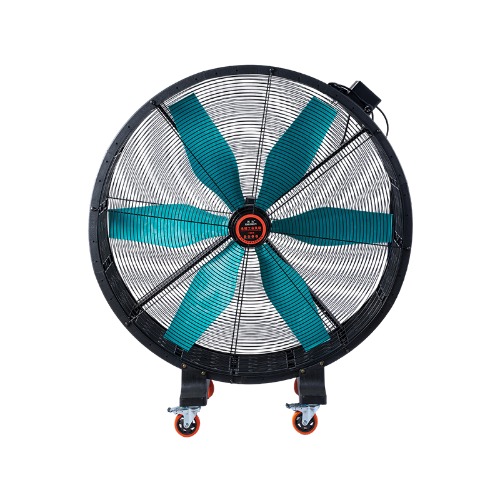
How Do Operating Conditions Affect Industrial Fan Airflow
Airflow does not remain completely static during normal industrial activity. Doors may open and close, machinery may operate in different areas, storage may move, and workers may use different parts of the facility throughout the day.
These changes can affect how air travels through the workspace. An arrangement that works under one set of conditions may feel different when a large access door is open or when equipment is positioned differently.
Operating conditions should therefore be considered when evaluating the actual performance of the installation. The question is not only whether air is moving, but whether it is moving toward the areas where it is needed during normal working conditions.
Seasonal changes in building use can also affect the arrangement. Some areas may become more active, while others may be used less frequently. A flexible operating approach can help accommodate these changes without requiring the entire installation to be rearranged.
The surrounding environment should be observed during normal operation. If an area consistently receives little airflow, the cause may be related to the fan position, an obstruction, or a change in the workspace rather than the equipment alone.
This distinction matters because replacing a unit does not necessarily address an airflow problem caused by the layout.
What Should Be Checked Before Using a High Airflow Industrial Fan
Before regular operation begins, the installation should be reviewed in relation to the actual workspace. The check does not need to be complicated. It should focus on whether the equipment, installation position, and surrounding conditions correspond with the intended airflow arrangement.
The physical surroundings should be checked for changes that may have occurred after the original planning. New equipment, stored materials, temporary partitions, or altered work areas can affect the path of moving air.
The direction of airflow should also be observed from the perspective of the working area. If air is being redirected by nearby objects, the installation may need to be reconsidered.
A practical check can include:
- Confirming that the installation area remains clear
- Checking that nearby equipment has not blocked the intended airflow path
- Reviewing whether the fan direction matches the working zone
- Observing areas where airflow appears limited
- Checking for unusual noise or changes during operation
- Considering whether recent workspace changes have affected airflow
Regular observation can be particularly useful in industrial spaces where equipment and storage arrangements change frequently. Airflow planning is closely connected with the way a facility is actually used, so changes in the workspace should be considered when the existing arrangement is reviewed.
A well-planned installation is therefore based on more than the fan itself. The building layout, ceiling conditions, working areas, obstacles, installation position, and operating environment all contribute to how air moves through a large workspace. Keeping these factors connected makes it easier to select and position a High Airflow Industrial Fan according to the conditions of the facility.
Related Product
-
-
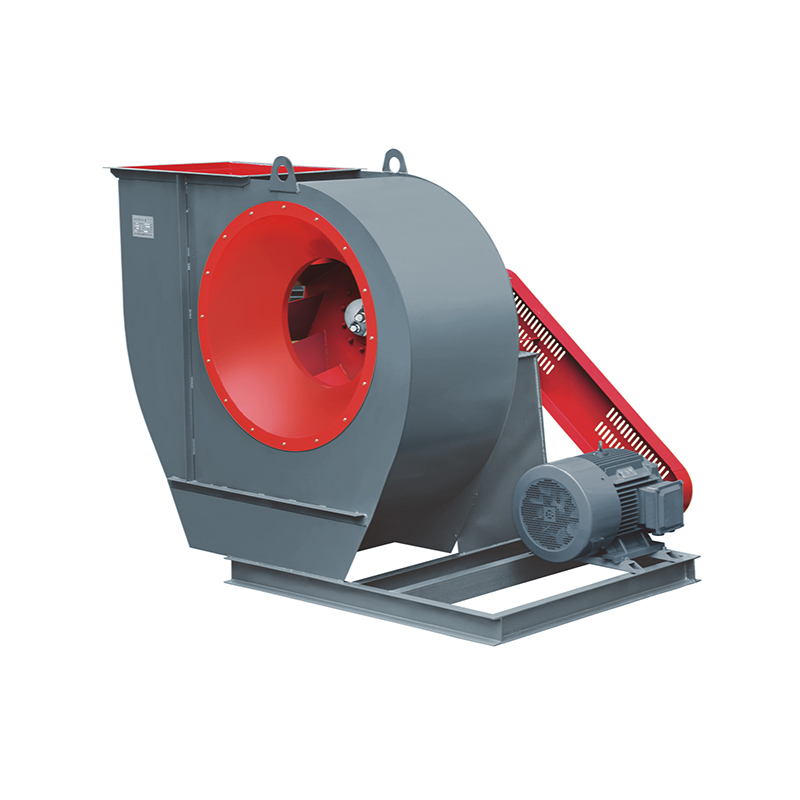
The Model 4-72C centrifugal ventilator is designed to convey air and other gases that are non-flamma...
+ VIEW MORE -
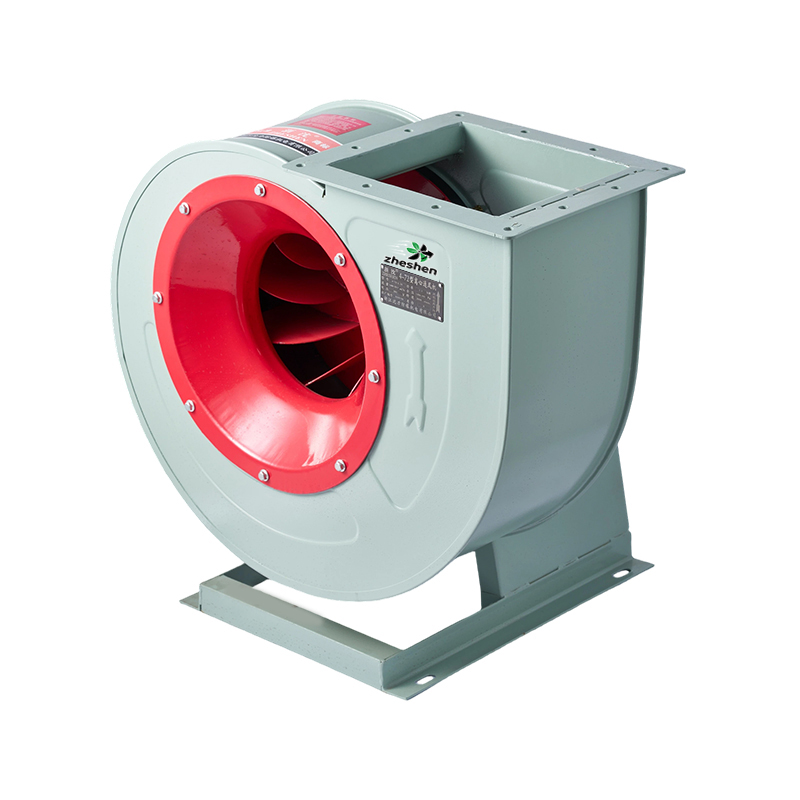
The Model 4-72 centrifugal ventilator is designed to convey air and other gases that are non-flammab...
+ VIEW MORE -
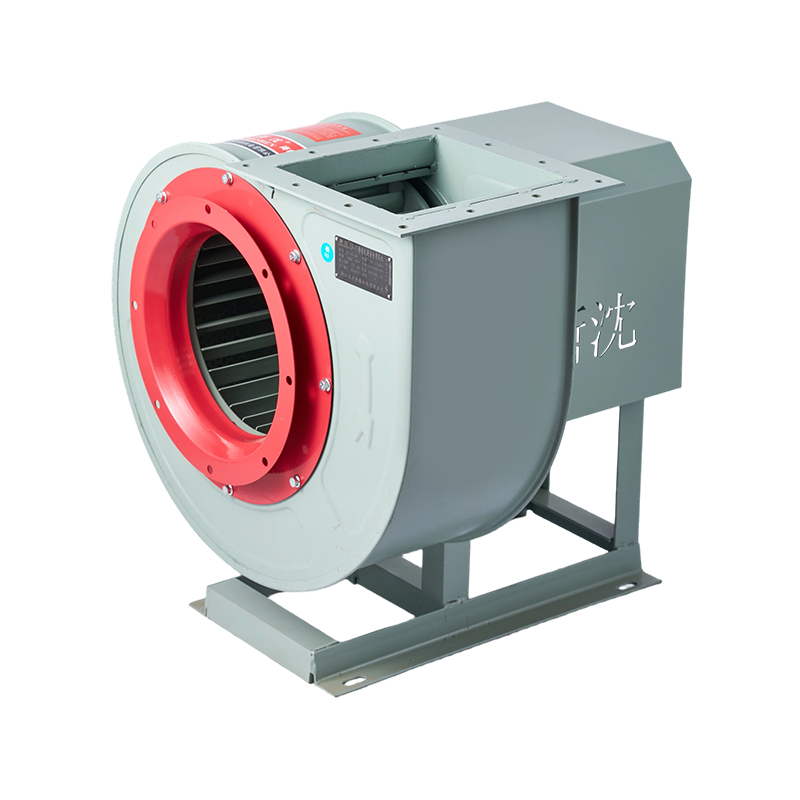
The Model 11-62A Low-Noise Multi-Blade Centrifugal Ventilator is designed and manufactured to meet t...
+ VIEW MORE -
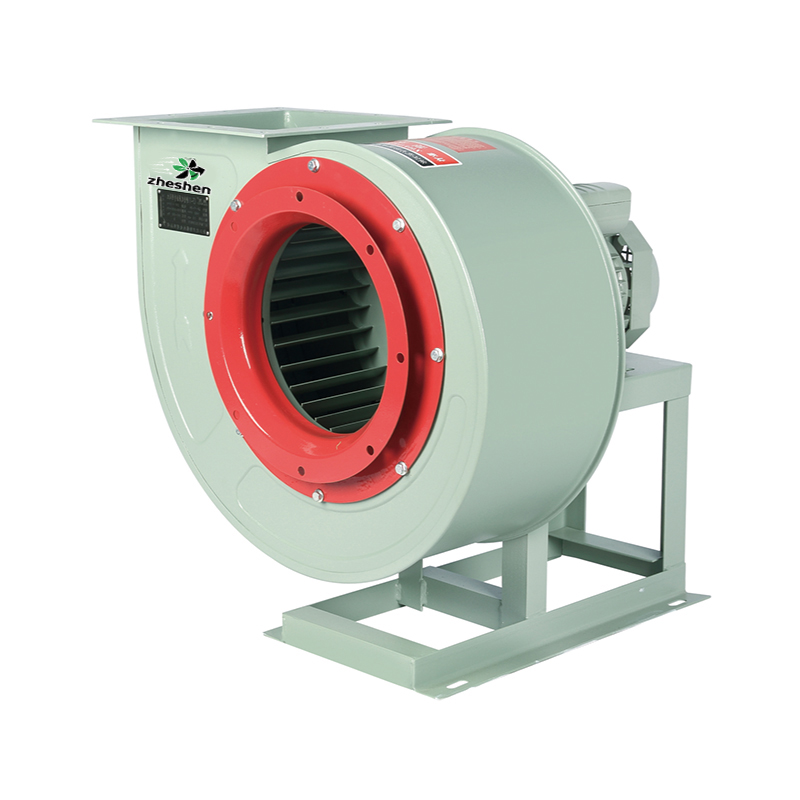
The Model CF-11 Low-Noise Multi-Blade Centrifugal Ventilator was designed and manufactured by our co...
+ VIEW MORE -
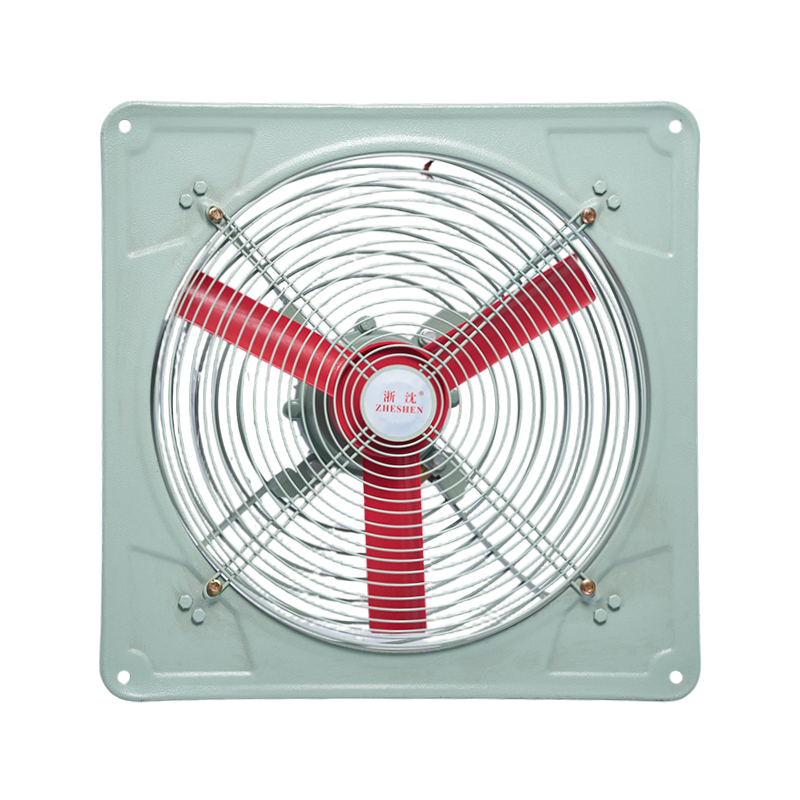
The BPS51 series explosion-proof exhaust fan is suitable for use in hazardous areas classified as Zo...
+ VIEW MORE
Do you have questions? Do not wait, Let's talk!
Products:
Contact Us
- Tel/Whatsapp:+86-13586259916
- Tel:+86-15825511111
- Email: [email protected]
- Add:Jin'ao Industrial Zone, Shanshi, Daxi Town, Wenling City, Zhejiang Province
Mobile
Copyright ©
Zhejiang Shenli Explosion proof Electromechanical Co., Ltd.
All rights reserved

