
 English
 中文简体
 Français
The SF-B Series Oil- and Moisture-Resistant Axial Flow Fan is a specialized ventilation device desig...
+ VIEW MORE
How Does Inlet Flow Affect a Ventilator Industrial Centrifugal
Deliver multiple validated explosion-proof fan solutions
Airflow entering a centrifugal ventilation system can change before it reaches the fan. A duct bend, an offset connection, a restriction, or a change in the surrounding duct arrangement may alter the direction and distribution of the air. These changes are easy to overlook because the equipment itself may remain unchanged.
The inlet is the point where those upstream conditions meet the fan. With a Ventilator Industrial Centrifugal, the condition of the incoming air can influence how the equipment handles the airflow once it enters. A system that appears unchanged from the outside may therefore behave differently after a duct modification or installation adjustment.
Looking at the inlet separately from the rest of the ventilation system can also make troubleshooting harder. The position of nearby fittings, the available duct space, and the pressure condition at the entrance all form part of the same airflow path. Examining these details can provide a clearer explanation when airflow changes without an obvious equipment fault.
Why Does Uneven Inlet Flow Affect Centrifugal Ventilator Output
Air approaching a fan inlet does not always have the same direction or distribution across the opening. A bend, transition, restriction, or poorly arranged connection can leave one part of the incoming flow moving differently from another.
That difference can carry into the inlet of a Ventilator Industrial Centrifugal. Instead of receiving air in a relatively even pattern, the equipment may encounter a flow that is concentrated toward one side or enters with a noticeable directional component.
The effect may appear in several ways. Airflow through the system may differ from the expected condition, while changes in operating sound or vibration may also become noticeable. These signs do not necessarily point to a problem inside the fan. The conditions immediately before the inlet can be part of the explanation.
Common sources of uneven inlet flow include:
- A bend positioned close to the fan entrance
- An inlet connection that is not properly aligned
- A short approach section after a change in direction
- A restriction that reduces part of the available opening
- Several fittings placed close together before the inlet
The important point is that an inlet opening should not be considered only as a physical connection. The way air arrives at that opening matters as well.
| Inlet condition | Possible change in airflow | Area to inspect |
|---|---|---|
| Uneven approach flow | Air may enter the fan inconsistently | Upstream duct arrangement |
| Restricted opening | Available airflow may be reduced | Opening and nearby components |
| Misaligned connection | Incoming air may change direction | Duct and inlet alignment |
| Sudden direction change | Air may reach the inlet unevenly | Bends and transitions |
How Can a Sharp Inlet Bend Disturb Centrifugal Ventilator Airflow
A duct bend changes the direction of moving air. The closer that bend is to the fan inlet, the less opportunity there may be for the airflow to settle into a more even pattern before entering the equipment.
The issue is not simply the presence of an elbow or bend. Bends are a normal part of many industrial ventilation layouts. The arrangement around the bend is more relevant. A sharp directional change immediately before the inlet can send air toward the entrance at an uneven angle.
Consider a duct that turns and then connects almost directly to the fan. Air leaving the turn may still have a strong directional bias when it reaches the inlet. Moving the bend farther away, where the layout allows, can provide more room for the flow to develop before it enters the equipment.
When examining an inlet bend, it is useful to look at:
- The direction of the turn relative to the inlet
- The space between the bend and the fan
- Other fittings located near the same section
- Whether the duct changes shape after the bend
- Whether the current arrangement matches the intended layout
A bend should therefore be evaluated as part of the inlet arrangement rather than treated as an isolated duct component.
Why Does Inlet Duct Length Matter Before a Centrifugal Ventilator
The duct section immediately before the fan has a direct connection with the condition of the incoming air. Its length can determine how much space is available between an upstream disturbance and the inlet.
Suppose a bend changes the direction of the air and the fan is installed shortly afterward. The air may arrive at the inlet while the effects of that turn are still present. A suitable approach section can provide more room for the flow to become less disturbed before entering the equipment.
Duct length should not be considered by itself, however. A longer section containing several fittings may create a different situation from a relatively simple section with a clear approach to the inlet.
Changes worth reviewing include:
- A shortened duct section after equipment relocation
- A newly installed fitting near the fan
- A transition placed close to the inlet
- A revised duct route with additional direction changes
- A support arrangement that has moved the duct closer to the equipment
For a Ventilator Industrial Centrifugal, the useful question is not simply whether the inlet duct is long or short. It is whether the arrangement gives incoming air a suitable path before it reaches the fan.
How Does Inlet Duct Misalignment Affect Centrifugal Ventilator Flow
Duct alignment is another detail that can affect the way air enters the equipment. A connection may look secure and still leave the duct offset from the center of the inlet.
Misalignment can occur during installation or after changes to the surrounding ductwork. Movement of supports, equipment repositioning, or alterations to connected sections can also change the original alignment.
An offset connection forces the air to change direction as it approaches the inlet. That change may be small, but it can add to other disturbances already present in the system.
A basic inspection can focus on several points:
- Whether the duct and inlet are properly centered
- Whether the connection creates an abrupt directional change
- Whether the fan has shifted from its intended position
- Whether duct supports are holding the intended alignment
- Whether modifications have changed the position of nearby sections
This is particularly relevant after installation work. If airflow behavior changes after the duct system has been adjusted, checking alignment can be more useful than immediately assuming that the fan has developed an internal problem.
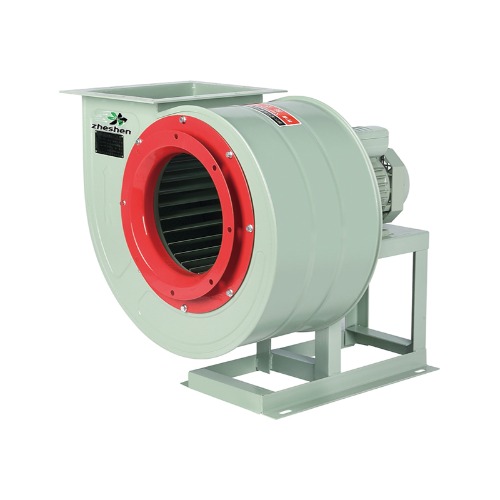
How Does Inlet Pressure Affect Centrifugal Ventilator Operation
Air reaches the inlet under a particular pressure condition created by the connected ventilation system. That condition can change when resistance elsewhere in the system changes.
For example, an adjustment farther downstream can alter the way air moves through the entire duct route. A change in another section may therefore affect the pressure around the fan inlet even though nothing has been done directly to the fan.
The relationship can be viewed through the complete airflow path:
- Air travels through the upstream duct toward the inlet.
- The inlet arrangement influences how that air approaches the equipment.
- The fan moves the air into the downstream system.
- Resistance within the connected ductwork affects the overall operating condition.
- A change in one part of the system can alter conditions at another point.
This is why checking only the fan may not explain a change in airflow. A Ventilator Industrial Centrifugal can remain physically unchanged while the surrounding system creates different inlet conditions.
When investigating a pressure-related change, recent adjustments to connected duct sections, restrictions, dampers, or other airflow components are worth reviewing alongside the fan.
Why Can Inlet Restrictions Increase Fan Power Demand
An inlet restriction reduces the space or pathway available for air to enter the equipment. The cause can be relatively simple, such as an obstruction, accumulated material, a partially closed component, or a connection that does not provide the intended opening.
The resulting effect depends on where the restriction occurs and how severe it is. What matters from an operating perspective is that the fan is no longer working with the same inlet condition.
A Ventilator Industrial Centrifugal may show a change in operating load when the inlet path becomes restricted. Electrical demand can change, and airflow may also behave differently. Such a condition should not automatically be treated as a motor issue because the restriction may be upstream of the equipment.
When checking for an inlet restriction, look at:
- The inlet opening and its immediate surroundings
- Any material that may have accumulated near the entrance
- Components that may have shifted into the airflow path
- Changes in duct size or connection arrangement
- Parts that can be adjusted or partially closed
- Modifications made during maintenance or installation
It is also important to separate an inlet restriction from resistance elsewhere in the system. Both conditions can affect operation, but they occur at different locations and require different checks.
What Should Be Checked When Inlet Flow Is Uneven
An uneven inlet flow condition is easier to investigate when the inspection follows the direction of the air. Starting at the fan and looking outward through the upstream duct can help identify where the flow begins to change.
The first step is usually a visual inspection of the inlet. Look for restrictions, unusual gaps, accumulated material, or changes in the opening. The nearby ductwork should then be examined for bends, transitions, offsets, and other features that may disturb the approaching air.
The following checks provide a practical starting point:
- Inspect the inlet: Check whether the opening is clear and unobstructed.
- Review nearby bends: Look at the position and direction of bends close to the fan.
- Check the duct route: Note any recent changes to the upstream section.
- Verify alignment: Examine whether the duct meets the inlet without a noticeable offset.
- Review restrictions: Check components that could reduce the available airflow path.
- Observe operation: Pay attention to changes in airflow, sound, vibration, or motor behavior.
- Compare the layout: If installation information is available, compare the current arrangement with the intended configuration.
| Inspection area | Question to ask | Reason for checking |
|---|---|---|
| Inlet opening | Is the entrance clear? | An obstruction can affect incoming airflow |
| Nearby bend | Is the bend close to the inlet? | Air may reach the entrance before settling |
| Duct alignment | Is the connection centered? | An offset can change the flow direction |
| Approach section | Has the duct layout changed? | Layout changes can alter inlet conditions |
| System resistance | Has another section become restrictive? | Downstream changes can affect the inlet condition |
| Operating behavior | Has the equipment recently changed behavior? | A change can indicate altered airflow conditions |
The inlet of an industrial centrifugal ventilation system is closely connected with the ductwork around it. Airflow reaching the equipment is shaped by the path it has already traveled, so a change in that path can affect operation even when the fan itself has not been modified.
For a Ventilator Industrial Centrifugal, examining the inlet means looking beyond the opening and considering the surrounding duct arrangement, direction changes, alignment, pressure conditions, and restrictions. Keeping these factors connected during inspection provides a more practical way to trace changes in airflow and operating behavior.
Related Product
-

-
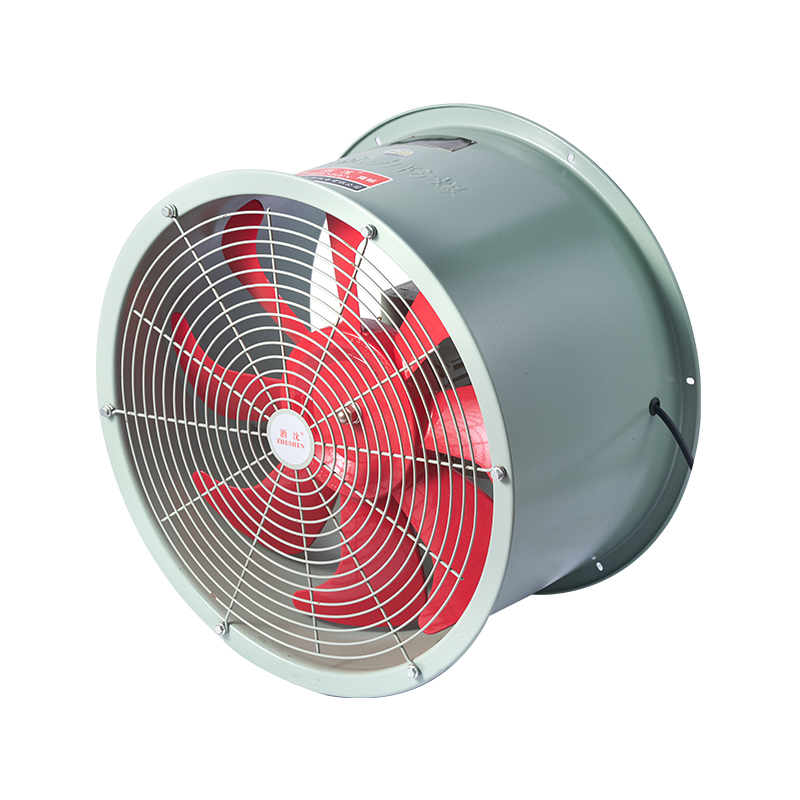
The T35-11, BT35, and FT35 series axial flow fans serve as replacements for the 30K4 series. The T35...
+ VIEW MORE -
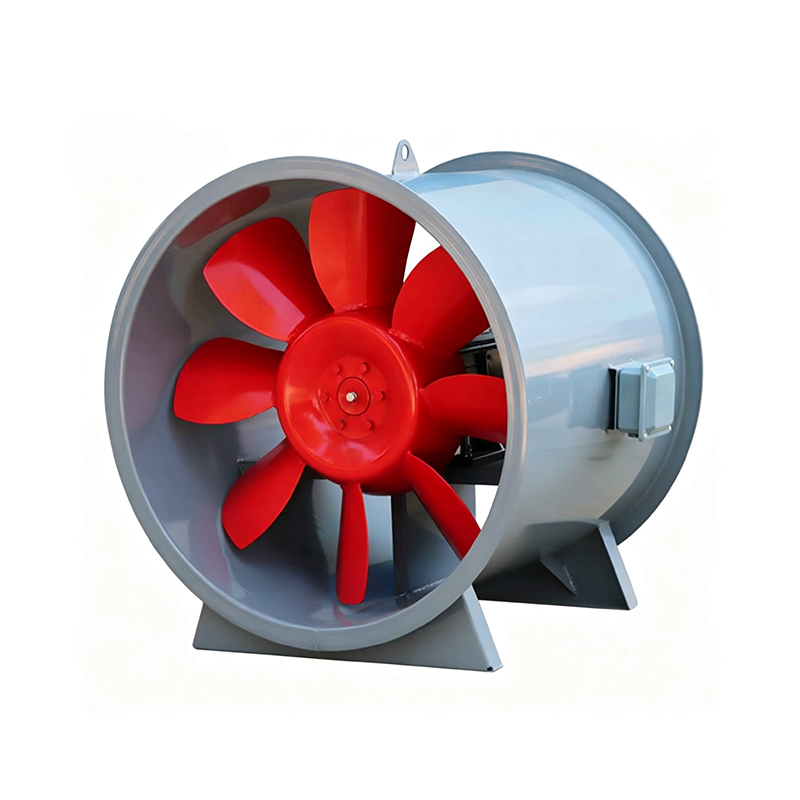
The SWF-I mixed-flow ventilator is a novel type of fan that bridges the gap between axial-flow and c...
+ VIEW MORE -
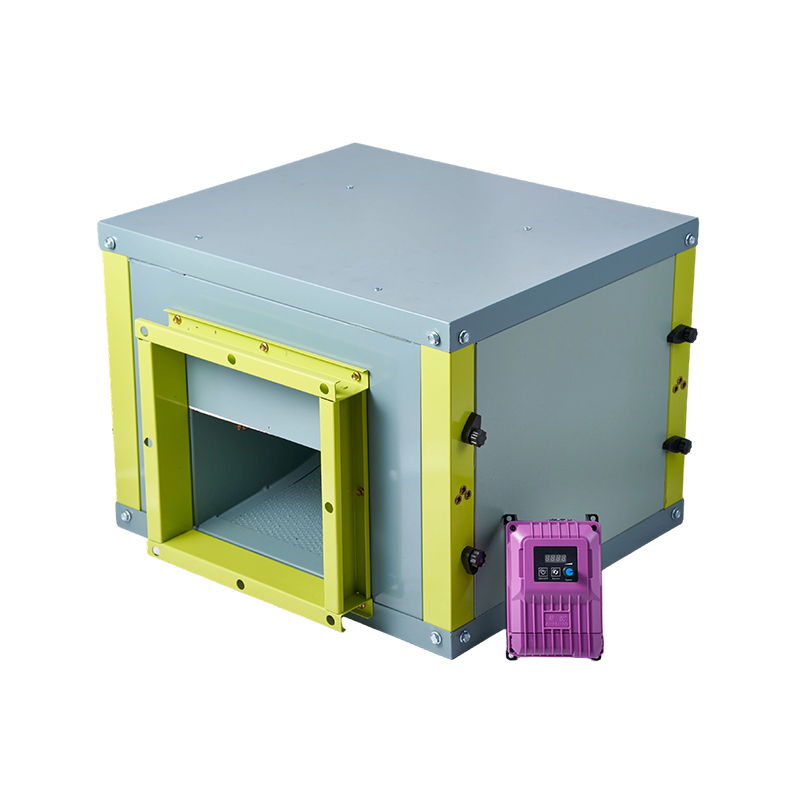
The air cabinet features a clean and elegant exterior design; all components of the cabinet body are...
+ VIEW MORE -
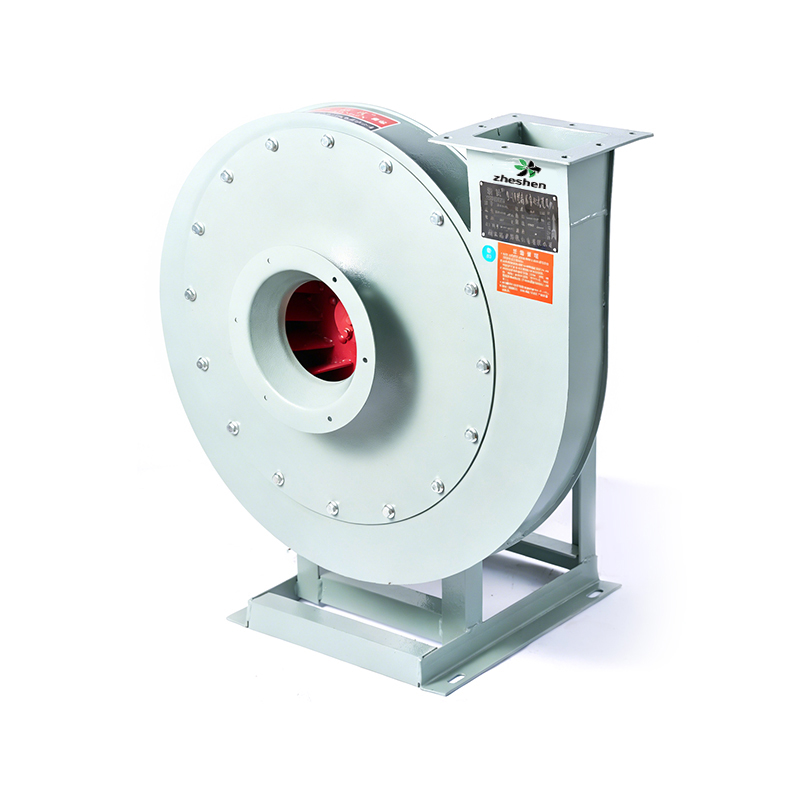
The Models 9-19 and 9-26 high-pressure centrifugal ventilators are widely utilized for conveying mat...
+ VIEW MORE -
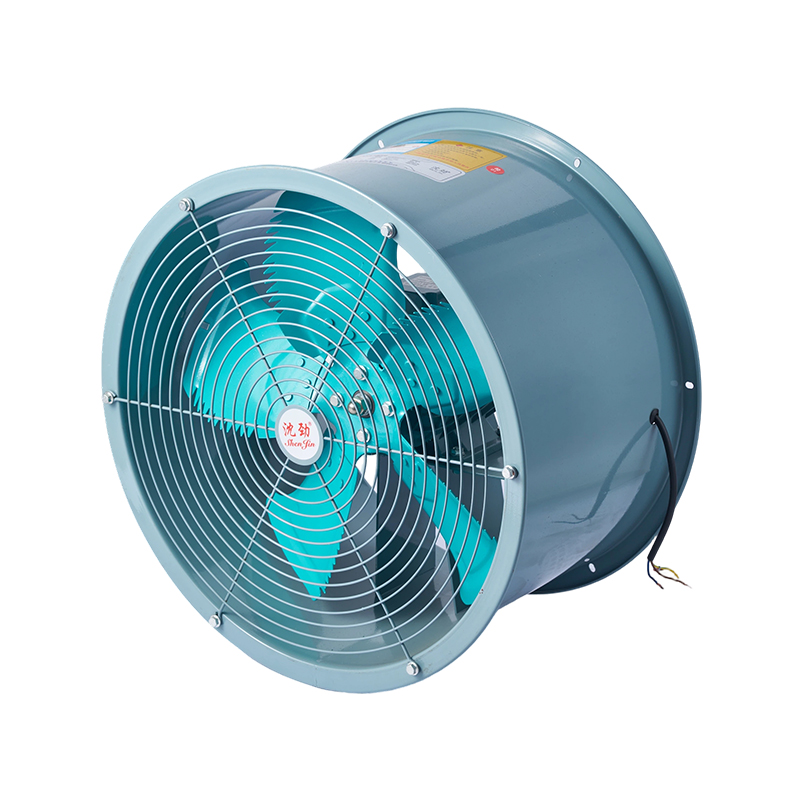
The SF series of high-airflow axial fans, designed specifically for kitchen applications, offers a s...
+ VIEW MORE
Do you have questions? Do not wait, Let's talk!
Products:
Contact Us
- Tel/Whatsapp:+86-13586259916
- Tel:+86-15825511111
- Email: [email protected]
- Add:Jin'ao Industrial Zone, Shanshi, Daxi Town, Wenling City, Zhejiang Province
Mobile
Copyright ©
Zhejiang Shenli Explosion proof Electromechanical Co., Ltd.
All rights reserved

