
 English
 中文简体
 Français
The CTF series low-noise axial flow fan represents a new generation of low-noise ventilation product...
+ VIEW MORE
Permanent Magnet Motor Fan Brings Motor Technology Into Fan Design
Deliver multiple validated explosion-proof fan solutions
Fans are often viewed as simple devices. They move air from one place to another, so the visible part of the product tends to receive most of the attention. Yet the fan itself is only one part of the system.
The motor behind the fan has a direct connection with how the whole unit operates. It provides the movement needed to turn the fan and keep air flowing. This makes motor selection an important part of fan design.
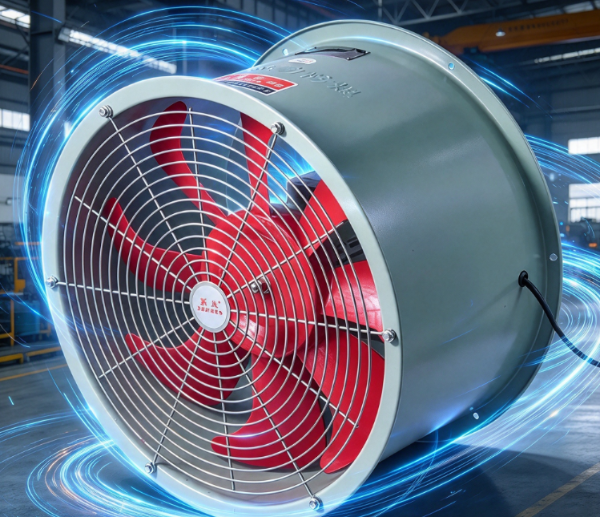
A Permanent Magnet Motor Fan brings these two areas closer together. Instead of treating the motor as a separate component added after the fan has been designed, this type of fan connects motor design with the wider needs of air movement.
This approach can matter in many types of equipment. Fans may be used for ventilation, cooling, air circulation, equipment cabinets, industrial systems, and other applications where controlled airflow is needed.
As equipment designs become more focused on space, operation, and overall system integration, the relationship between the motor and fan deserves more attention.
What Makes a Permanent Magnet Motor Fan Different From a Traditional Fan Design?
A fan needs a source of movement. The motor provides that movement, while the fan structure converts it into airflow.
In a simple design process, these parts can be considered separately. The fan is selected according to the desired airflow, while the motor is chosen to provide the required movement.
A Permanent Magnet Motor Fan takes a more connected approach.
The permanent magnet motor becomes part of the fan design rather than being treated only as an external power source. This means that the motor and fan can be considered together when developing the product.
This relationship can affect the overall structure of the unit.
For example, the available installation space may influence the motor arrangement. The intended airflow may influence the fan structure. The way the equipment is expected to operate may also affect how the motor and fan are matched.
The result is a product in which the motor is closely related to the fan's working role.
| Design aspect | Connection with the fan |
|---|---|
| Motor selection | Influences how the fan is driven |
| Fan structure | Determines how air is moved |
| Installation space | Affects the arrangement of the motor and fan |
| Equipment design | Determines how the complete unit is integrated |
| Operating needs | Influences the relationship between motor movement and airflow |
This does not mean that every application requires the same design. The needs of a ventilation system can differ from those of a compact equipment enclosure.
The main difference is the way the motor is considered. It becomes part of the overall fan solution instead of remaining a separate decision.
How Does Motor Technology Influence Fan Design?
The motor has a direct role in fan operation because it creates the movement needed to turn the fan.
When manufacturers design a fan, they therefore need to consider more than the visible blades or housing. The motor affects how the fan can be arranged within the equipment and how the complete unit interacts with its surroundings.
A permanent magnet motor uses permanent magnets as part of its motor structure. This design gives the motor a specific operating principle and allows it to be integrated into fan products for different applications.
The connection between motor and fan can be considered from several directions.
The physical arrangement matters because the motor needs to fit within the available product space. The working relationship matters because the motor needs to drive the fan in a way that suits the intended application. The surrounding equipment also matters because the fan is rarely used as an isolated product.
This is particularly relevant in equipment where space is limited.
A fan may need to fit inside a machine, cabinet, ventilation passage, or cooling system. A motor and fan combination that has been considered as one unit can make the overall design process easier to organize.
The motor therefore becomes more than a component that makes the fan rotate. It becomes part of the design conversation.
Where Can Permanent Magnet Motor Fans Be Used?
Permanent Magnet Motor Fans can be used in different situations where air movement is part of a larger system.
Ventilation is one obvious area. Equipment and enclosed spaces may need air to move continuously through a designated path. A fan can help create this movement while the motor provides the driving force.
Cooling is another common application. Some equipment produces heat during operation. Moving air can help transfer that heat away from the relevant area.
Equipment cabinets can also require airflow. Electronic and electrical components are often arranged inside enclosed spaces, so fan systems may be incorporated into the equipment design.
Industrial machinery can present similar requirements. A machine may need internal air movement for cooling, ventilation, or general environmental control.
There are also applications where the fan is part of a larger air handling system. In these cases, the motor and fan need to fit into the wider system rather than operate independently.
| Application area | Why air movement may be needed |
|---|---|
| Ventilation equipment | Helps move air through a defined space |
| Cooling systems | Supports the movement of air around heat-producing components |
| Equipment cabinets | Helps manage internal air circulation |
| Industrial machinery | Supports airflow within or around equipment |
| Air handling equipment | Forms part of a wider air movement system |
The actual suitability of a Permanent Magnet Motor Fan depends on the equipment design and operating requirements. The same fan arrangement may not be appropriate for every application.
This is why application remains an important starting point.
Why Does the Relationship Between Motor and Fan Matter?
A fan cannot be separated completely from the motor that drives it.
When these two components are considered together, manufacturers can look at the product from a system perspective.
Imagine an equipment designer working with limited internal space. The designer is not only choosing a fan. The motor also needs to occupy a suitable position and work with the fan structure.
If the motor and fan are treated as unrelated components, the final arrangement may require additional adjustments.
When the two are considered together, the design process can begin with the complete air movement unit.
This relationship can also matter when a manufacturer develops equipment for a particular operating environment. The fan may need to work as part of a larger system, and the motor needs to fit that system as well.
The connection becomes especially clear when product size, installation position, airflow direction, and equipment structure are considered at the same time.
A fan is not simply a rotating blade. It is a combination of components working toward a shared function.
The motor provides the movement. The fan structure transfers that movement into airflow. The housing helps guide the air and supports the overall assembly.
Each part has a role, but their relationship determines how the complete unit fits into the equipment.
Can a Permanent Magnet Motor Fan Support More Flexible Equipment Design?
A Permanent Magnet Motor Fan can be considered in equipment designs where the motor and fan need to work closely together.
Flexibility does not necessarily mean that one fan can suit every situation. It means that the design can be considered according to the needs of the equipment.
Different machines have different internal layouts. Some have open spaces around the fan. Others have narrow areas where the available room is more restricted.
Some systems need air to move in a particular direction. Others require circulation within an enclosed space.
These differences can influence the way a fan is selected and installed.
The motor also becomes part of this discussion. Its position, connection with the fan, and relationship with the surrounding components all need to be considered during equipment development.
This can be useful for manufacturers that develop several types of equipment. Instead of thinking about the fan only as a standard accessory, they can consider the fan and motor as part of the product's internal architecture.
This perspective may also help during product modification.
If the equipment design changes, the airflow system may need to change as well. A fan that worked in one arrangement may need to be reconsidered when the available space or airflow path changes.
The motor and fan relationship can therefore become part of the design process rather than a decision made near the end of production planning.
How Should Manufacturers Choose a Permanent Magnet Motor Fan?
Choosing a fan should begin with the application rather than the product name.
Manufacturers can start by understanding what the fan needs to do inside the equipment.
Is it being used for ventilation? Is it intended to support cooling? Does it need to circulate air inside an enclosed space? Will it be installed as part of a larger air movement system?
These questions provide a clearer starting point.
The physical environment should also be considered. Available installation space, airflow direction, surrounding components, and maintenance access can all affect the selection.
The operating pattern matters as well. A fan used continuously may have different design considerations from one used only during certain operating conditions.
Manufacturers may also need to consider how the fan connects with the rest of the equipment.
A suitable selection process can therefore include several basic questions:
- What is the main purpose of the fan?
- Where will it be installed?
- How will air move through the equipment?
- How does the motor need to fit into the available space?
- What other components are located around the fan?
- How will the fan be maintained or replaced?
These questions can help move the discussion away from a simple product comparison.
The goal is to understand the complete application.
What Role Does Motor Integration Play in Modern Fan Development?
Fan development is increasingly connected with the wider equipment around it.
A fan may once have been viewed mainly as an individual component. In many products, however, it forms part of a larger system where space, airflow, motor placement, noise considerations, maintenance, and equipment structure are closely related.
This makes integration an important part of product development.
A Permanent Magnet Motor Fan reflects this approach because the motor is closely connected with the fan from the beginning.
The design process can therefore consider the motor and fan together. This may influence the physical layout, the way the unit is mounted, and how it interacts with other equipment components.
For manufacturers, this can change the way a fan is discussed during product development.
Instead of asking only, "Which fan should be used?", engineers and product teams may also ask, "How should the motor and fan fit into the equipment?"
That small change in perspective can lead to a more complete design discussion.
It also creates a connection between component selection and equipment development. The fan is no longer simply something placed inside a machine. It becomes part of how the machine manages air movement.
This can be particularly relevant for compact products, enclosed equipment, and systems where internal space needs to be used carefully.
Could Permanent Magnet Motor Fans Become Part of More Equipment Designs?
The possible applications of a Permanent Magnet Motor Fan are connected with the growing need to manage air movement inside different types of equipment.
As products become more integrated, individual components often need to work together rather than being designed independently.
A motor and fan combination fits naturally into this way of thinking.
The same basic concept can be adapted to different equipment structures. A ventilation product may focus on moving air through a defined path. A cooling system may focus on moving air around specific components. An equipment cabinet may need circulation within a confined area.
The purpose changes, but the relationship between the motor and fan remains important.
This also creates opportunities for manufacturers to approach fan selection from the equipment side.
Instead of starting with a generic fan and trying to make it fit, the design process can begin with the actual air movement requirement. The motor, fan, housing, and installation method can then be considered as connected parts of the same product.
For product developers, this way of thinking can make the fan a more active part of equipment design.
The Permanent Magnet Motor Fan is therefore not simply about adding a particular motor to a fan. Its significance lies in bringing motor technology and fan design closer together, allowing the complete air movement unit to be considered in relation to the equipment where it will operate.
Related Product
-
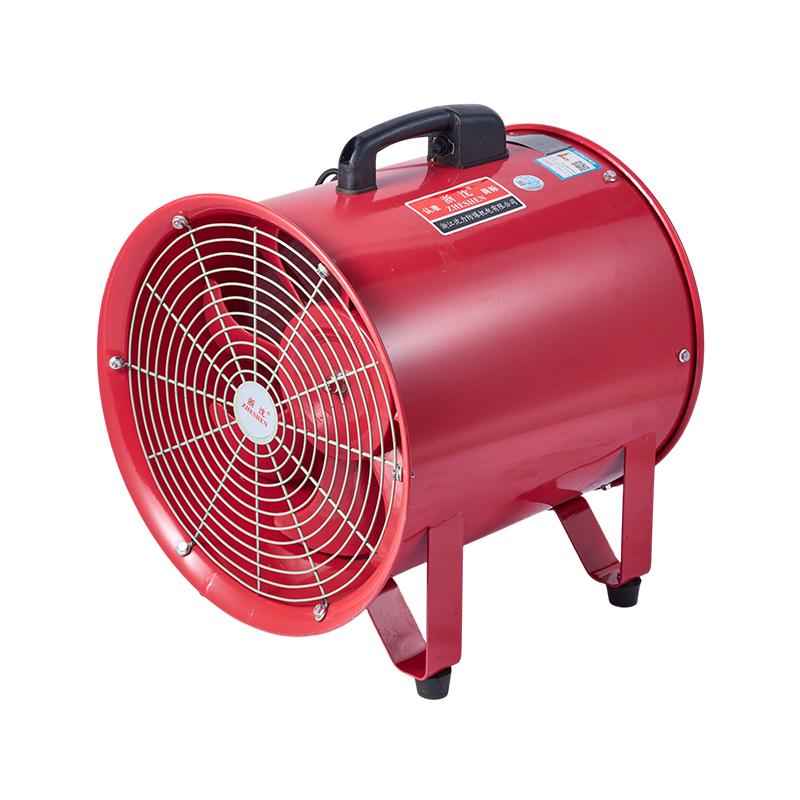
-

The SF-B Series Oil- and Moisture-Resistant Axial Flow Fan is a specialized ventilation device desig...
+ VIEW MORE -
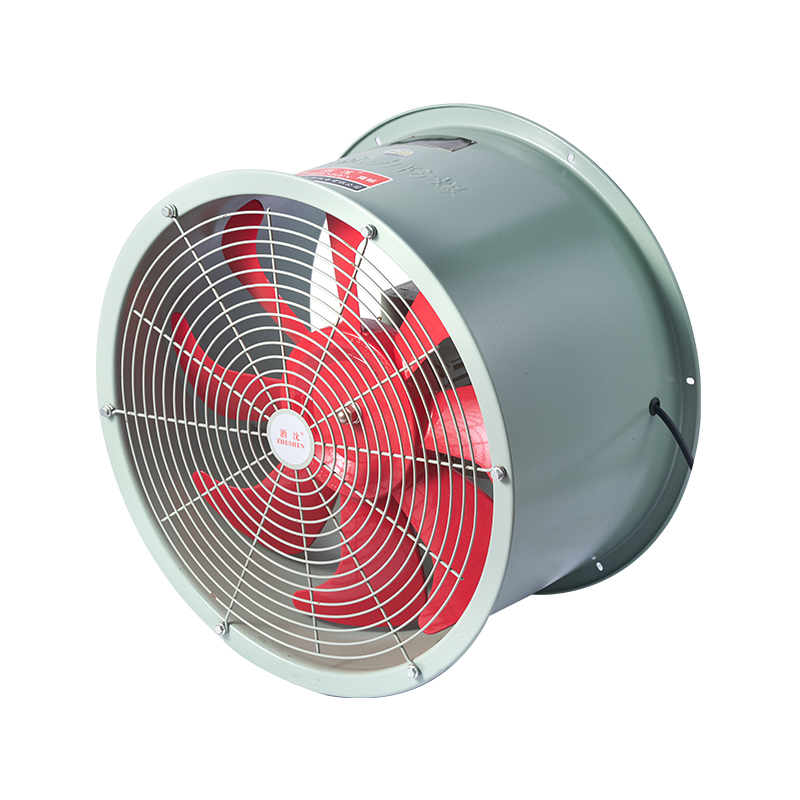
The T35-11, BT35, and FT35 series permanent magnet variable-frequency axial-flow fans serve as repla...
+ VIEW MORE -
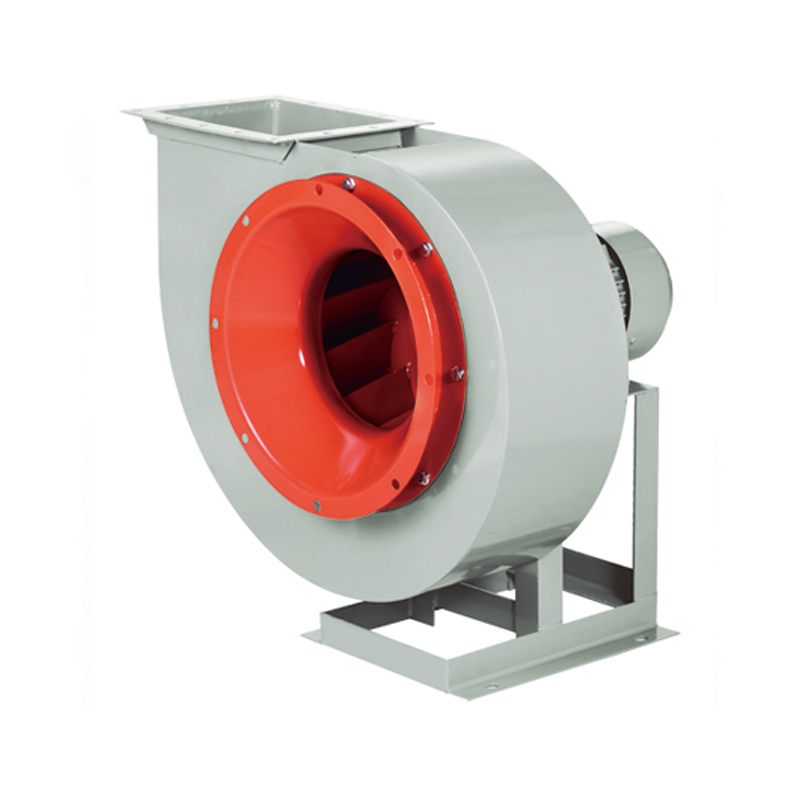
The Model 4-68 Centrifugal Ventilator is suitable for indoor ventilation and air exchange in general...
+ VIEW MORE -
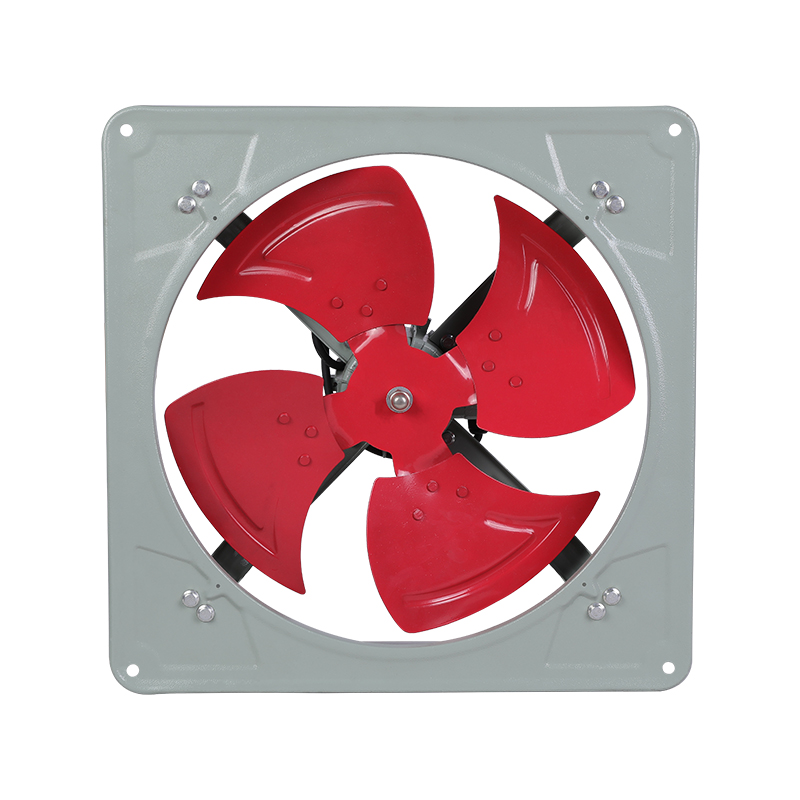
The FA-B series uses single-phase, capacitor-run axial-flow exhaust fans. The FTA series runs on thr...
+ VIEW MORE -
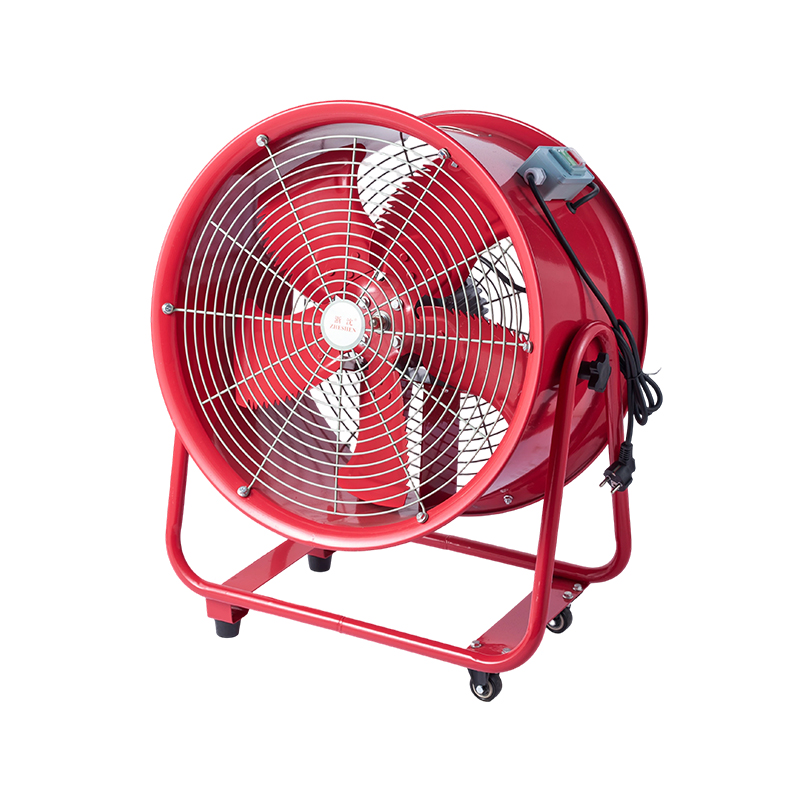
The CTF Mobile Low-Noise Axial Flow Fan represents a new generation of low-noise ventilation equipme...
+ VIEW MORE
Do you have questions? Do not wait, Let's talk!
Products:
Contact Us
- Tel/Whatsapp:+86-13586259916
- Tel:+86-15825511111
- Email: [email protected]
- Add:Jin'ao Industrial Zone, Shanshi, Daxi Town, Wenling City, Zhejiang Province
Mobile
Copyright ©
Zhejiang Shenli Explosion proof Electromechanical Co., Ltd.
All rights reserved

