
 English
  中文简体
中文简体  Français
 The CTF series low-noise axial flow fan represents a new generation of low-noise ventilation product...
+ VIEW MORE
How Can a Workshop Ventilation Fan Improve Airflow
Deliver multiple validated explosion-proof fan solutions
A workshop can have plenty of space and still have poor air movement. Air may circulate near an open door while staying still behind equipment, along walls, or close to the ceiling. In a busy working area, this can make heat, odors, fumes, and dust harder to move out of the room.
A Workshop Ventilation Fan provides one way to create a clearer route for unwanted indoor air to leave. Yet the fan is only one part of the arrangement. Where it is installed, where replacement air enters, and how the workspace is organized can all affect the result.
Good ventilation starts with a simple question: where does the air come from, where does it travel, and where does it leave? Looking at those three points can make workshop airflow easier to plan and maintain.
Why Does Workshop Airflow Become Uneven in Enclosed Spaces
Air rarely moves through a workshop in a straight, even pattern. The shape of the room and the objects inside it can change the route considerably.
A workbench, storage rack, machine, vehicle, or partition can interrupt airflow. As a result, one side of the room may feel noticeably different from another. Areas behind large objects can remain relatively still even when air is moving elsewhere.
Heat creates another issue. Warm air naturally tends to rise, so a workshop with a high ceiling may hold warm air above the main working area. If there is no suitable route for that air to leave, the upper part of the room can become a holding area for heat.
Several conditions can contribute to uneven airflow:
- Large equipment blocking an open path
- Partitions separating different work areas
- Limited openings for incoming air
- Warm air collecting near the ceiling
- Corners that receive little direct air movement
- Storage placed close to ventilation openings
The location of the problem matters. Before changing the ventilation arrangement, it helps to walk through the workshop and notice where air feels still, where heat gathers, and where odors tend to remain.
This gives a more realistic picture than looking at the room size alone.
How Does a Workshop Ventilation Fan Move Stale Air Out
An exhaust fan helps create a route for indoor air to move outside. As air leaves through the exhaust opening, replacement air needs to enter the workshop through another available path.
That process is easier to picture as a simple movement:
Air enters → air passes through the workspace → unwanted air moves toward the outlet → air leaves the building.
The position of the outlet affects how well this route works. If the exhaust opening is close to the incoming air source, the new air may move directly toward the outlet without passing through the areas that need ventilation.
On the other hand, an outlet positioned in relation to stagnant areas can encourage air to travel through more of the working space.
The surrounding structure matters as well. A fan installed beside a large wall, machine, or storage structure may have a different airflow pattern from one with a clearer path around it.
It is therefore useful to look beyond whether the fan is running. A better question is whether the air is actually moving through the parts of the workshop where ventilation is needed.
Where Should a Workshop Ventilation Fan Be Installed
There is no universal installation point for every workshop. A suitable position depends on the room layout, the location of heat sources, and the areas where unwanted air tends to collect.
In some spaces, a higher wall position may make sense because warm air gathers above the working zone. In another workshop, machinery or partitions may make a different location more practical.
Before installation, several points are worth checking:
- Where does warm air tend to collect?
- Which areas have weak air movement?
- Where are odors or fumes generated?
- Are there objects that could block the airflow path?
- Where can exhaust air leave the building without immediately returning?
The position of work areas should also be considered. If people spend much of their time in one section of the workshop, the ventilation route should not simply bypass that area.
A convenient wall location is not necessarily a useful airflow location. Looking at the room first can help avoid that problem.
Why Does a Workshop Need Both Fresh Air and Exhaust Paths
Removing indoor air creates a need for replacement air. Without an entry route, the overall airflow through the room can become restricted.
Doors and windows may provide this route, but their location can change the way air travels. An opening positioned directly beside an exhaust outlet may allow fresh air to leave almost immediately. The rest of the workshop may then receive less air movement.
A more useful arrangement allows incoming air to travel across the working area before reaching the exhaust point.
| Airflow part | What it does | What to check |
|---|---|---|
| Fresh air opening | Allows replacement air into the space | Keep the route reasonably clear |
| Working area | Receives the moving air | Watch for stagnant sections |
| Exhaust opening | Provides an exit for indoor air | Avoid blocked surroundings |
| Airflow path | Connects entry and exit points | Consider equipment and partitions |
This relationship is easy to overlook when attention is focused only on the exhaust equipment.
For example, closing every door and window may seem like a way to control the indoor environment, but it can also reduce the available path for replacement air. The result may be weaker movement through the room.
Ventilation works more naturally when air has both an entry route and an exit route.
How Can Workshop Ventilation Help Remove Heat, Odors, and Fumes
Not every workshop has the same air-quality concern. A woodworking area may deal with airborne dust, while a repair area may experience heat, odors, or fumes from particular tasks.
The location of each source matters.
Heat may gather around machinery or near the ceiling. Odors may remain close to the work area where they are produced. Fumes can spread from a particular task into nearby parts of the workshop if the air has no clear path outward.
General ventilation can help move indoor air, but it should be planned around the activity taking place.
For example:
- A heat-producing machine may require attention to the upper part of the room.
- A work area that creates odors may need an airflow route that moves air away from occupied spaces.
- A workshop with several separate work zones may need airflow paths that do not simply move air from one zone into another.
- Tasks that create specific airborne hazards may require dedicated control measures rather than relying on general room ventilation alone.
This distinction is important. General air movement and task-specific extraction do not serve exactly the same purpose.
The ventilation arrangement should match the work being carried out rather than treating every workshop as an identical space.
How Should a Workshop Ventilation Fan Match the Room Layout
Room shape can change the way air travels. A compact open workshop may have a relatively direct airflow route, while a long or divided space can contain areas that are harder to reach.
The contents of the room matter just as much.
A workshop may contain:
- Machinery
- Shelving
- Workbenches
- Vehicles
- Storage containers
- Temporary partitions
- Fixed equipment
Each item can influence the route between an air inlet and an exhaust opening.
A useful way to look at the layout is to separate the room into practical areas:
Air entry area
Where replacement air comes into the workshop.
Working area
Where people spend time and where normal tasks take place.
Source area
Where heat, odors, fumes, or other unwanted airborne material may originate.
Exhaust area
Where indoor air is directed outside.
These areas do not need to be physically separated. They simply provide a way to think about airflow.
A change in the workshop can also change the ventilation pattern. Adding a storage rack against a wall or moving machinery into a previously open section may create a new obstruction. Ventilation should therefore be considered alongside changes to the workspace rather than as a fixed arrangement that never needs review.
Why Can a Workshop Ventilation Fan Run Without Moving Enough Air
A fan can be switched on and still fail to create the airflow expected in every part of the workshop.
The cause may not be the fan itself. Air movement depends on the complete route around it.
Common things worth checking include:
- Is the air inlet clear?
- Is the exhaust opening obstructed?
- Has equipment been moved since installation?
- Are stored materials blocking part of the airflow path?
- Is the exhaust outlet positioned where unwanted air actually collects?
- Does the room have a practical route for replacement air?
Dust buildup can also affect the airflow around ventilation equipment. A dirty guard or restricted opening can change the way air enters or leaves the system.
Another possibility is a change in the workshop itself. A fan that worked well when the room was relatively open may behave differently after new equipment, partitions, or storage structures are added.
For that reason, checking the complete airflow route can be more useful than immediately replacing the equipment.
A simple observation can reveal a great deal. Look at where air enters, follow the likely path through the workshop, and see whether anything interrupts that route before the air reaches the exhaust point.
How Can Workshop Ventilation Fan Maintenance Affect Airflow
Dust and airborne particles are common around many workshop activities. Over time, material can settle around fan guards, openings, and nearby surfaces.
When these areas become restricted, airflow may change.
Routine checks can focus on a few practical points:
- Remove visible buildup according to the equipment instructions.
- Keep nearby intake and exhaust openings free from stored materials.
- Check for unusual vibration during operation.
- Pay attention to sounds that were not present before.
- Look for changes in the amount or direction of airflow.
- Inspect surrounding components as part of normal workplace maintenance.
The condition of the area around the fan matters too. Cleaning the equipment will not solve an airflow problem if boxes, tools, materials, or machinery are blocking the exhaust route.
Vibration deserves attention because it can sometimes indicate a loose component, buildup, or an installation issue. An unusual sound can also signal that the equipment should be inspected.
Maintenance does not need to be complicated. The main purpose is to notice changes before they interfere with the airflow arrangement.
A workshop is rarely static. Equipment moves, storage changes, doors are opened or closed, and new work areas appear. Keeping an eye on those changes can help keep the ventilation route practical for the way the space is actually being used.
Related Product
-
-
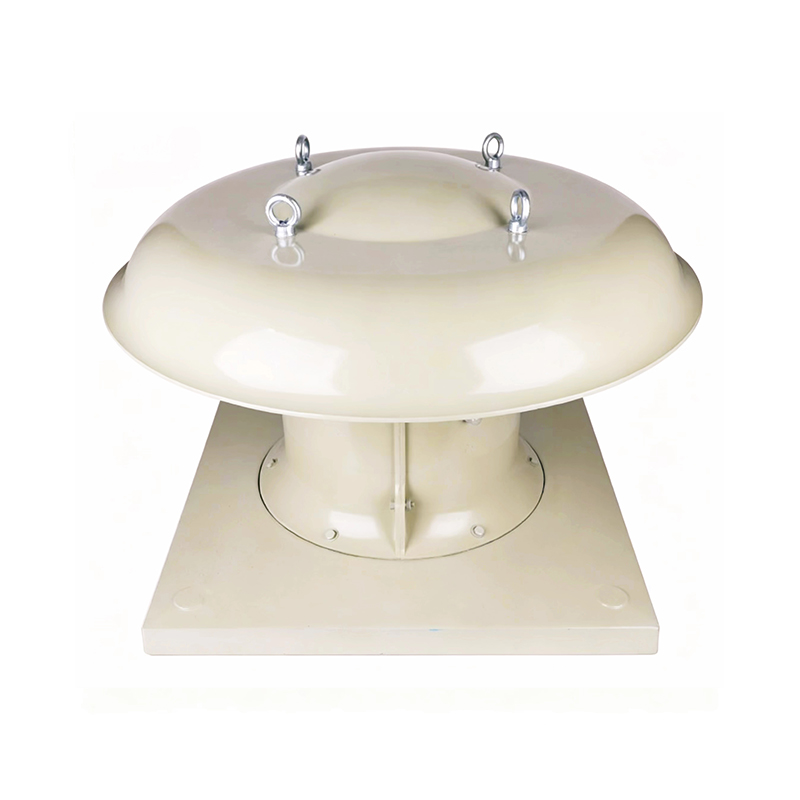
The WT35-11 and FWT35-11 series roof-mounted fans feature high airflow volume and—compared to centri...
+ VIEW MORE -
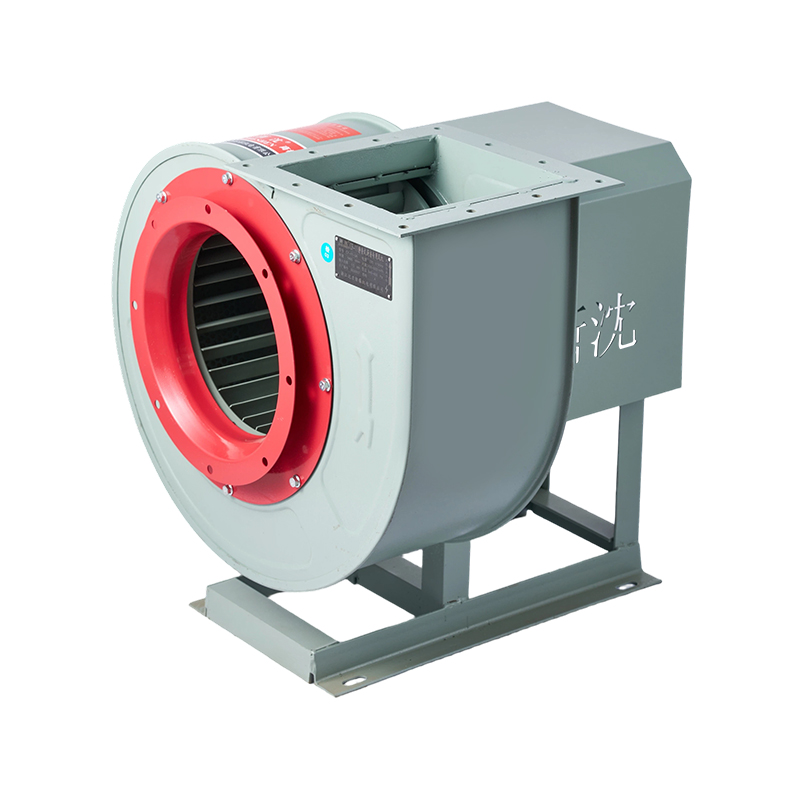
The Model 11-62A Low-Noise Multi-Blade Centrifugal Ventilator is designed and manufactured to meet t...
+ VIEW MORE -
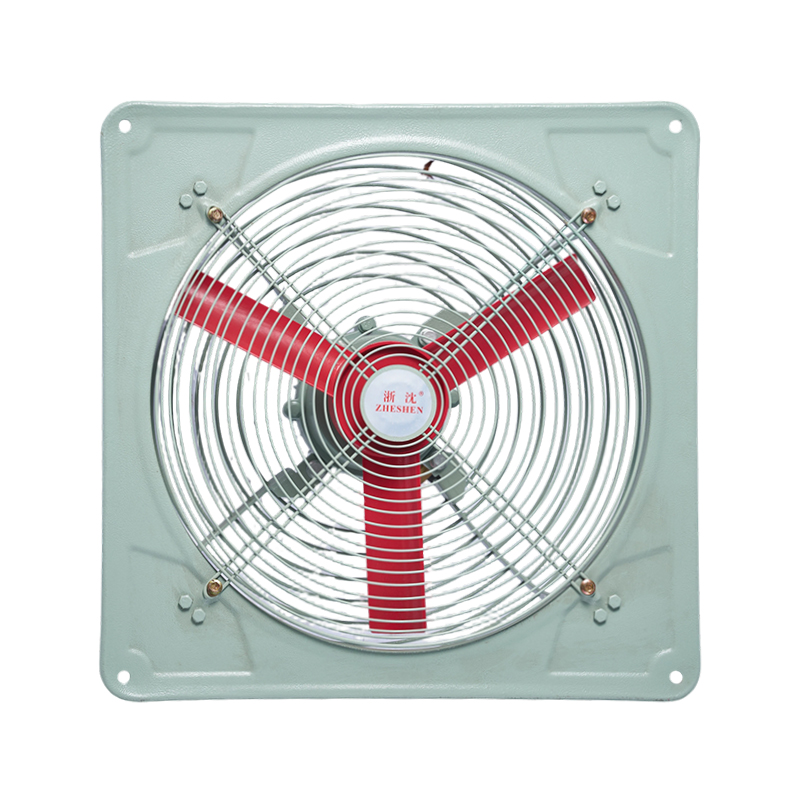
The BPS51 series explosion-proof exhaust fan is suitable for use in hazardous areas classified as Zo...
+ VIEW MORE -
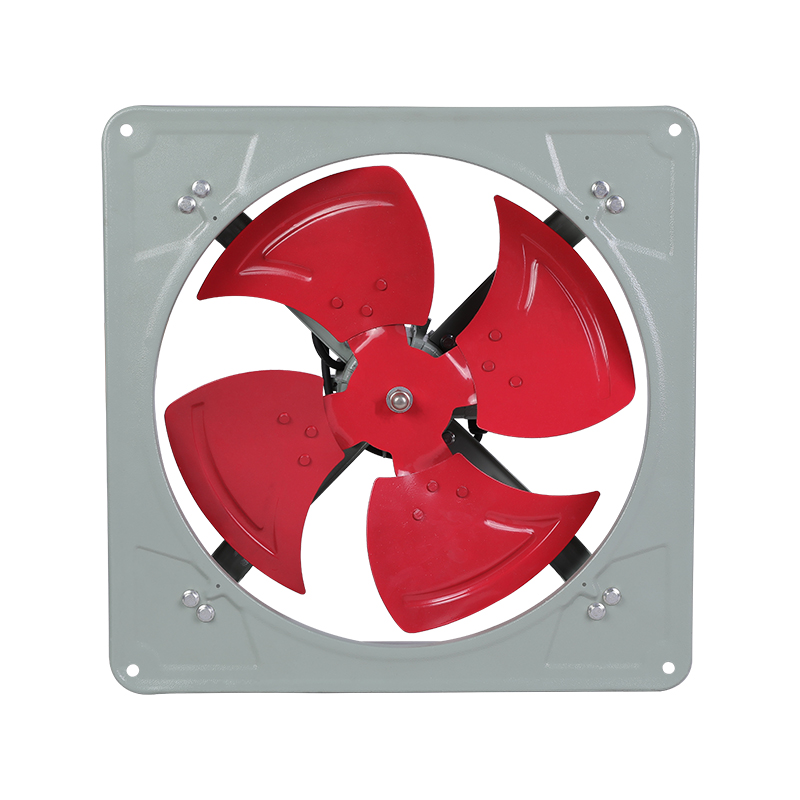
The FA-B series uses single-phase, capacitor-run axial-flow exhaust fans. The FTA series runs on thr...
+ VIEW MORE -
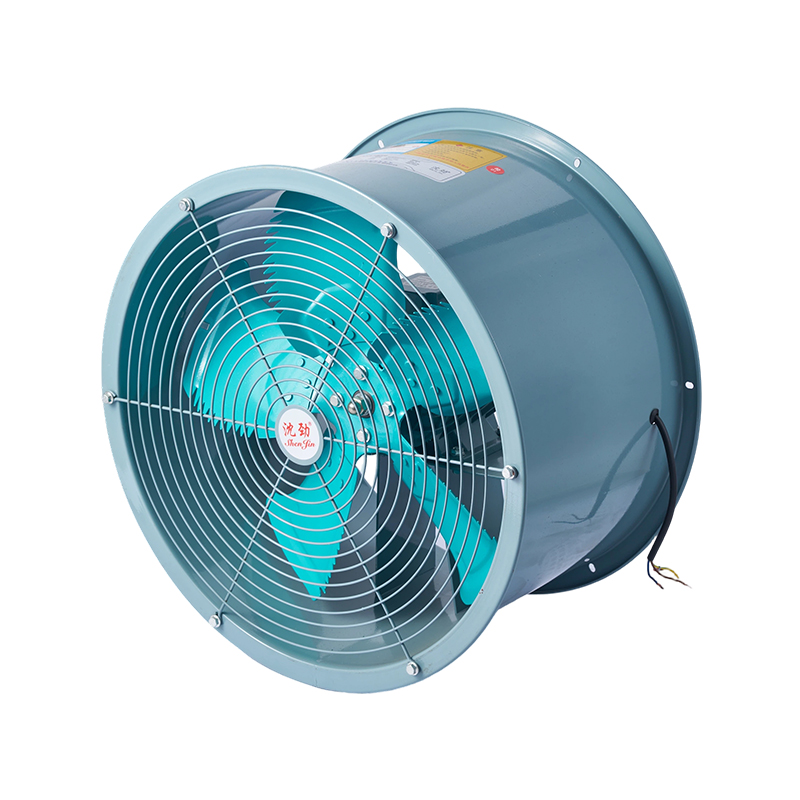
The SF series of high-airflow axial fans, designed specifically for kitchen applications, offers a s...
+ VIEW MORE
Do you have questions? Do not wait, Let's talk!
Products:
Contact Us
- Tel/Whatsapp:+86-13586259916
- Tel:+86-15825511111
- Email: [email protected]
- Add:Jin'ao Industrial Zone, Shanshi, Daxi Town, Wenling City, Zhejiang Province
Mobile
Copyright ©
Zhejiang Shenli Explosion proof Electromechanical Co., Ltd.
All rights reserved

