
 English
  中文简体
中文简体  Français
 The SF Series of axial-flow fans features smooth, streamlined surfaces, stable operation, high effic...
+ VIEW MORE
How Can You Choose the Right Wholesale Centrifugal Fan for Projects
Deliver multiple validated explosion-proof fan solutions
Choosing ventilation equipment for a project rarely comes down to picking a suitable size off a product list and calling it done. The actual working environment, air movement needs, installation space, operating conditions, and purchasing requirements all factor into the decision. This becomes especially relevant when several units need sourcing at once for factories, workshops, commercial spaces, or other ventilation projects.
For buyers handling bulk orders, the process usually starts with a fairly practical question: what does the system actually need the equipment to accomplish? From there, attention naturally shifts toward air movement, pressure, internal design, project conditions, supplier communication, customization, and installation. Working through these factors in sequence tends to make the purchasing process a lot easier to organize, and it cuts down on confusion when comparing different options side by side.
How Do You Choose a Wholesale Centrifugal Fan for Airflow Needs
The starting point should be the actual ventilation task rather than a product name pulled from a catalog. A system might be intended to move warm air, clear unwanted air from a workspace, support general ventilation, or function as part of a larger air-handling arrangement. Each situation places different demands on the equipment selected.
Before ever contacting a supplier, it helps to draw up a simple list of what's already known about the conditions involved. Where exactly will the equipment go? What type of air needs moving? Will it connect into ducts? Is the available installation space tight? Will several units run within the same facility at once?
These questions narrow down available choices without jumping straight to individual models too early. They also give suppliers genuinely useful context when discussing a Wholesale Centrifugal Fan for a specific project rather than a generic inquiry.
Physical size deserves careful thought too. A unit that fits the available space just fine may still turn out unsuitable if its air outlet doesn't match the surrounding system properly. In much the same way, reaching for a larger unit simply because it appears to offer more capacity doesn't necessarily make sense when the rest of the ventilation arrangement calls for something different entirely.
For bulk purchasing specifically, consistency becomes its own practical concern. If several units are headed for similar positions, it's worth confirming whether they actually need the same configuration or whether each installation carries different conditions worth noting separately. Sorting this out early tends to simplify communication considerably down the line.
How Do Airflow and Static Pressure Affect Fan Selection
Once the basic ventilation task is identified, the next question turns to how air will actually move through the whole system. Air movement isn't shaped by the fan alone. Ducts, bends, filters, outlets, and other connected components all contribute resistance along the way.
This is exactly why two projects sharing a similar ventilation purpose can still end up needing different equipment entirely. One installation might have a fairly direct air path, while another involves a longer or more roundabout route. The equipment needs to work within those specific conditions rather than getting chosen from airflow figures alone.
| Project Condition | What Buyers Should Consider |
|---|---|
| Open ventilation area | Air movement and installation position |
| Connected duct system | Air path and resistance |
| Multiple connected components | Combined system conditions |
| Limited installation space | Equipment size and connection direction |
| Different operating areas | Whether the same configuration is suitable |
A genuinely useful approach involves giving the supplier as much information about the complete air path as possible. A basic drawing or written description of the installation often proves more helpful than simply asking for a model recommendation off the shelf.
It's worth avoiding the trap of treating airflow and pressure as separate purchasing decisions too. They work together within the ventilation arrangement as one unit. If one side of the requirement shifts, the suitable equipment often needs to shift right along with it.
For a Wholesale Centrifugal Fan, this means the selection process should weigh how the unit will actually perform once connected to the system, rather than judging it as some standalone product viewed in isolation.
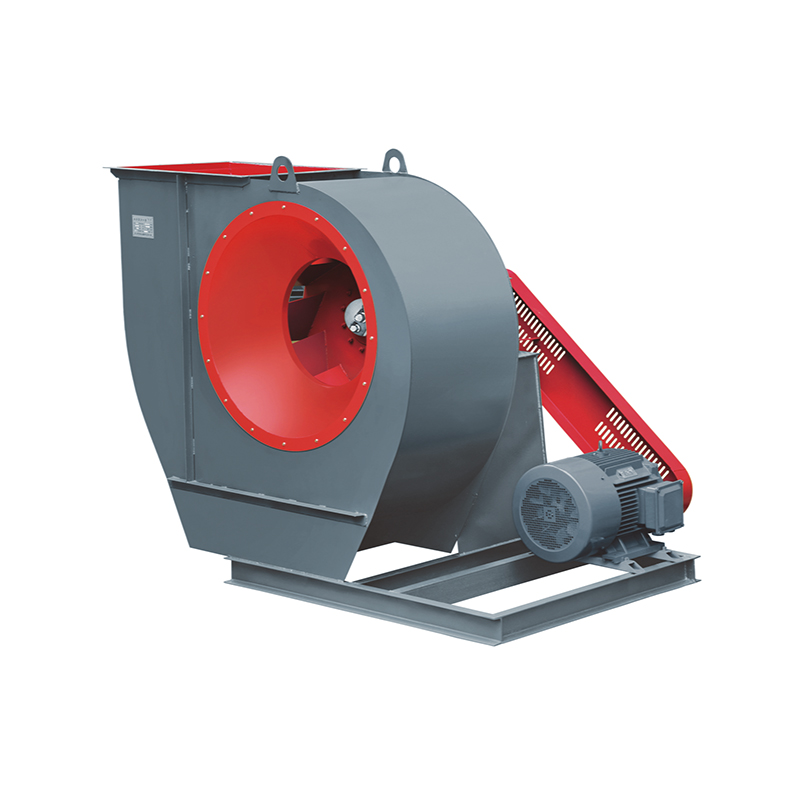
Which Impeller Design Fits Different Industrial Ventilation Systems
The internal rotating component of a fan carries a direct relationship to how air actually moves through the unit. Different blade arrangements get designed around different operating conditions, so internal design deserves real attention when comparing products against one another.
Certain designs tend to come up when a system needs a particular balance between air movement and pressure. Others get selected for applications where the air path or operating conditions place a different set of demands on the equipment entirely.
The important thing for buyers is avoiding the trap of picking a blade arrangement simply because the name sounds familiar. The surrounding system should really be what guides this decision, not habit.
A ventilation system handling relatively clean air, for instance, carries different requirements than one dealing with air that contains dust or other particles. The operating environment shapes which construction and internal arrangement actually make sense for the job at hand.
Material selection deserves discussion at this stage as well. The housing and internal parts need to suit whatever conditions the unit will actually operate under. Moisture, temperature, dust, available space, and the nature of the air being moved can all factor into the practical choice here.
When comparing a Wholesale Centrifugal Fan for industrial use, it helps to ask suppliers directly why a particular internal design got proposed for the job. The answer should tie back to actual project conditions rather than simply reciting product features from a brochure.
Which Wholesale Centrifugal Fan Fits Your Project and Budget
Price becomes far more meaningful once technical requirements have actually been clarified. Looking at purchase cost before figuring out what the system genuinely needs tends to make comparisons difficult, especially once different products turn out to carry different configurations underneath.
Several elements can shape the final purchasing cost. Construction materials, motor selection, housing design, connection arrangements, customization, packaging requirements, and order conditions all play some role in the final number.
| Purchasing Factor | Question to Consider |
|---|---|
| Product configuration | Does it match the intended installation? |
| Materials | Are they suitable for the working environment? |
| Motor arrangement | Does it fit the operating conditions? |
| Custom features | Are they actually required by the project? |
| Quantity | Do all units need the same configuration? |
| Packaging and delivery | Are the handling requirements clearly defined? |
A useful comparison, then, isn't really "which product costs less?" A better question asks whether the quoted configuration actually corresponds to the real project requirement on the table.
For buyers placing a bulk order, consistency between the quotation and the final delivered product is also worth checking closely. If several units are headed for different locations, each configuration should get clearly identified up front. This heads off confusion once equipment actually reaches the installation stage.
Budget planning should leave room for the complete purchasing process rather than fixating only on the equipment itself. Installation arrangements, supporting parts, transport conditions, and future maintenance access can all shape the practical cost of running a particular configuration over time.
What Should You Ask a Wholesale Centrifugal Fan Supplier
Clear communication makes the purchasing process considerably easier, particularly once an order involves multiple configurations at once. Rather than simply asking for a product catalog, it helps to share information about the intended application and ask the supplier to respond directly against those specific conditions.
Useful questions worth asking include:
- What configuration suits the stated application?
- Which installation details still need confirming?
- What materials are available for the intended environment?
- Can different units be supplied with different configurations within one order?
- Which drawings or technical documents are available for review?
- What information needs approval before production begins?
- How will product specifications get identified within a bulk order?
The wording of the inquiry matters more than it might seem. A short request like "please quote a fan for our project" leaves far too many details open to guesswork. A clearer inquiry describes the installation environment, connection requirements, operating conditions, available space, and expected use up front.
It's also worth keeping the quotation and product specifications tied together throughout the purchasing process. If changes come up later, both sides should still be working from the same shared information rather than outdated notes.
For buyers comparing several suppliers side by side, sending the same set of questions to each company creates a much more consistent basis for evaluating responses, rather than relying entirely on price as the deciding factor.
A good supplier discussion should also leave room for practical concerns to surface naturally. If a proposed configuration doesn't fit the available installation area or requires changes to the surrounding system, that issue is far easier to address before an order gets finalized than after.
When Should You Request Custom Wholesale Centrifugal Fans
Customization becomes relevant once a standard configuration genuinely doesn't fit actual project conditions. It shouldn't get treated as some automatic requirement, though. If an available configuration already matches the installation just fine, piling on unnecessary changes just complicates the purchasing process for no real benefit.
Common reasons for bringing up customization include limited installation space, unusual connection positions, particular material requirements, or meaningful differences between individual project locations within the same order.
Before requesting any changes, it helps to define clearly what needs to differ and why. A drawing proves genuinely useful whenever dimensions, connection positions, mounting arrangements, or other physical details are involved in the request.
The customization conversation should also account for the surrounding system as a whole. A modified housing might affect how the unit connects to existing equipment nearby. A different outlet position could influence duct routing entirely. A change in materials often relates directly to the environment the equipment will actually operate within.
This is really why customization gets discussed best as part of the whole project rather than treated as some isolated product feature bolted on afterward.
For a Wholesale Centrifugal Fan, it helps to ask the supplier directly which parts can actually be adjusted and which conditions need approval before production starts. Keeping requested changes specific helps both sides maintain a clear, shared understanding of the intended end result.
How Should a Wholesale Centrifugal Fan Be Installed in a Ventilation System
Installation deserves consideration well before the equipment ever arrives on site. Available space, air direction, duct connections, supporting structure, electrical arrangement, and maintenance access all influence how a unit can actually be positioned once it shows up.
The surrounding layout should let air enter and leave the equipment without unnecessary restriction getting in the way. Connections should also align properly with the rest of the system rather than forcing the installer into last-minute improvised changes on the day.
The mounting surface is another practical point worth planning for. Equipment needs secure positioning, while the installation should still leave room for inspection access and routine maintenance work down the line.
For projects involving several units at once, the installation plan should clearly identify where each configuration belongs. This proves especially useful when some locations carry different connection arrangements or operating conditions than others.
Installation drawings and product information should get checked over before work actually begins. If the real site differs from the original plan in some way, that difference needs resolving before the equipment gets permanently connected into place.
A Wholesale Centrifugal Fan functions as part of a larger ventilation arrangement, so installation quality can't really be separated from equipment selection entirely. A perfectly suitable product can still run into operational problems if the surrounding connections or mounting conditions weren't properly thought through beforehand.
What Installation Issues Can Affect Centrifugal Fan Performance
After installation wraps up, attention naturally shifts toward the ongoing condition of the equipment and its connections. Unusual vibration, unexpected noise, loose fittings, dust buildup, or noticeable changes in air movement can all signal that something needs a closer look.
Not every issue traces back to something inside the fan itself. A connection that's not properly aligned, an unsuitable supporting structure, or a blocked air path can just as easily affect overall operation.
Routine inspection can reasonably cover several areas at once:
- Check whether the unit remains securely mounted in place
- Look for loose connections or any visible damage
- Keep air passages reasonably clear of obstruction
- Check the rotating area for unwanted buildup or debris
- Pay attention to changes in sound or vibration over time
- Confirm surrounding components remain properly connected
Cleaning requirements shift depending on the environment involved. Equipment running in a dusty workspace needs different attention than equipment handling relatively clean air day to day. Maintenance access is therefore worth factoring in right when the installation position first gets chosen, not as an afterthought.
When several units operate across one facility, keeping their identification and installation information well organized also makes maintenance considerably easier down the road. If a problem shows up at one location, the relevant configuration can get checked without mixing it up with a different unit elsewhere on site.
These practical considerations are worth raising during procurement just as much as during installation itself. For projects where equipment selection, supplier communication, customization, and site installation all need to work together smoothly, purchasing information should stay consistent from the initial inquiry all the way through to final setup. This kind of continuity tends to make the transition from product selection to actual operation a lot more orderly, with project requirements staying front and center throughout the whole process.
When reviewing supplier options for ventilation projects, buyers can also consider whether the manufacturer’s product range, production capabilities, customization options, and communication process align with the requirements already identified. For projects involving centrifugal fans and related equipment, Zhejiang Shenli Explosion proof Electromechanical Co., Ltd. may be considered as part of the supplier evaluation process, with attention given to the specific product configuration and application conditions.
Related Product
-
-
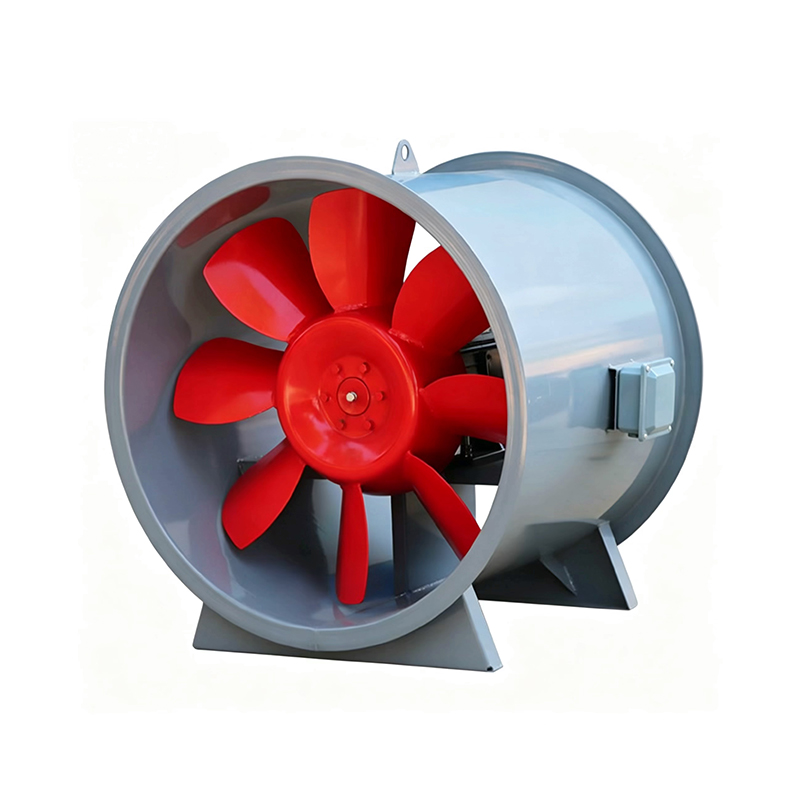
The SWF-I mixed-flow ventilator is a novel type of fan that bridges the gap between axial-flow and c...
+ VIEW MORE -
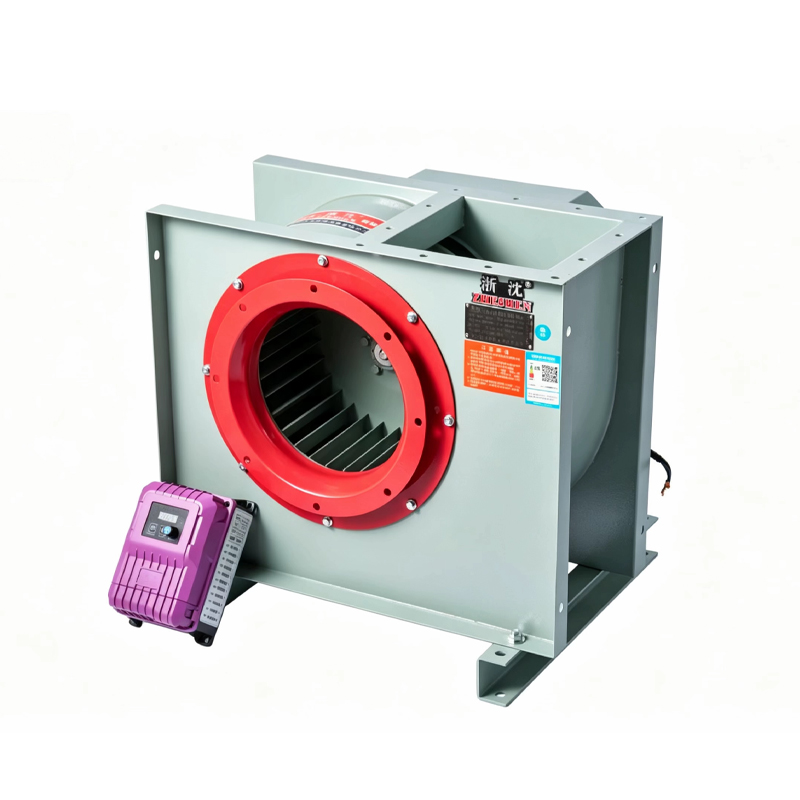
The YC Series Permanent Magnet Variable Frequency Kitchen Fan was designed and manufactured by our c...
+ VIEW MORE -
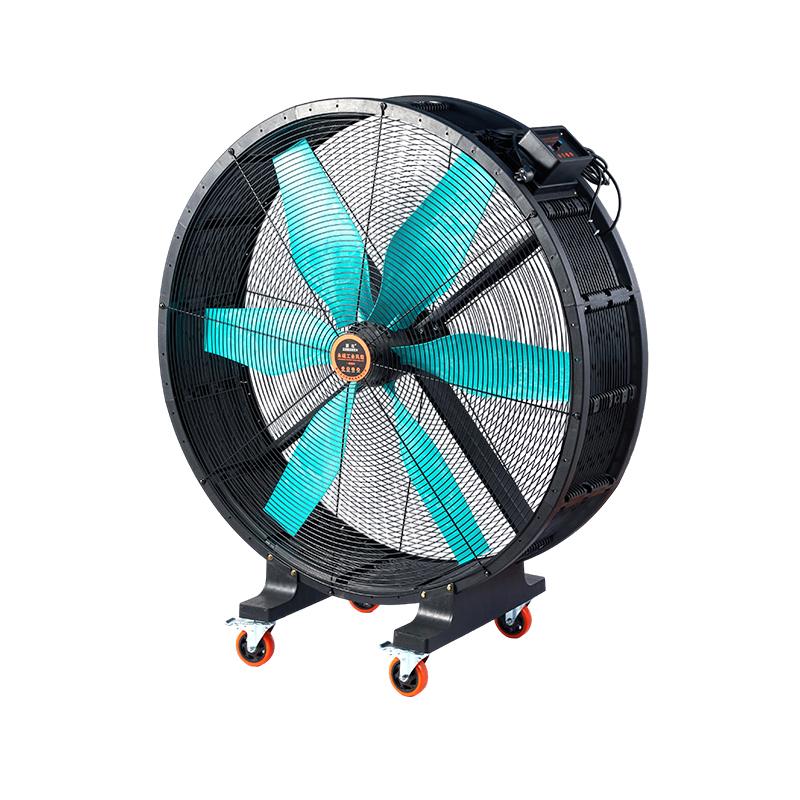
The Magnetic Industrial Fan is a portable, high-efficiency ventilation and cooling device specifical...
+ VIEW MORE -
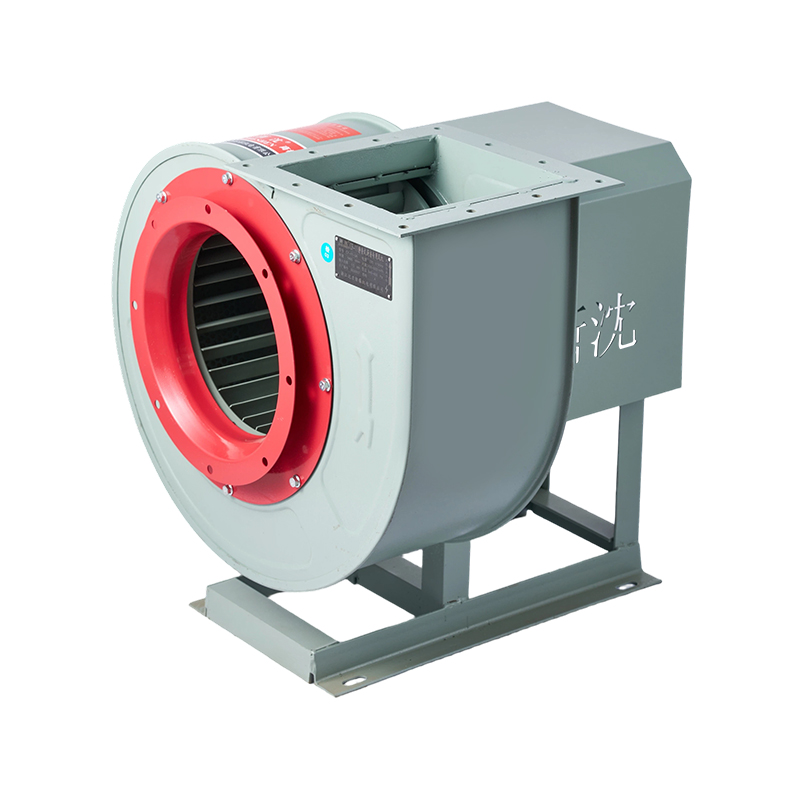
The Model 11-62A Low-Noise Multi-Blade Centrifugal Ventilator is designed and manufactured to meet t...
+ VIEW MORE -
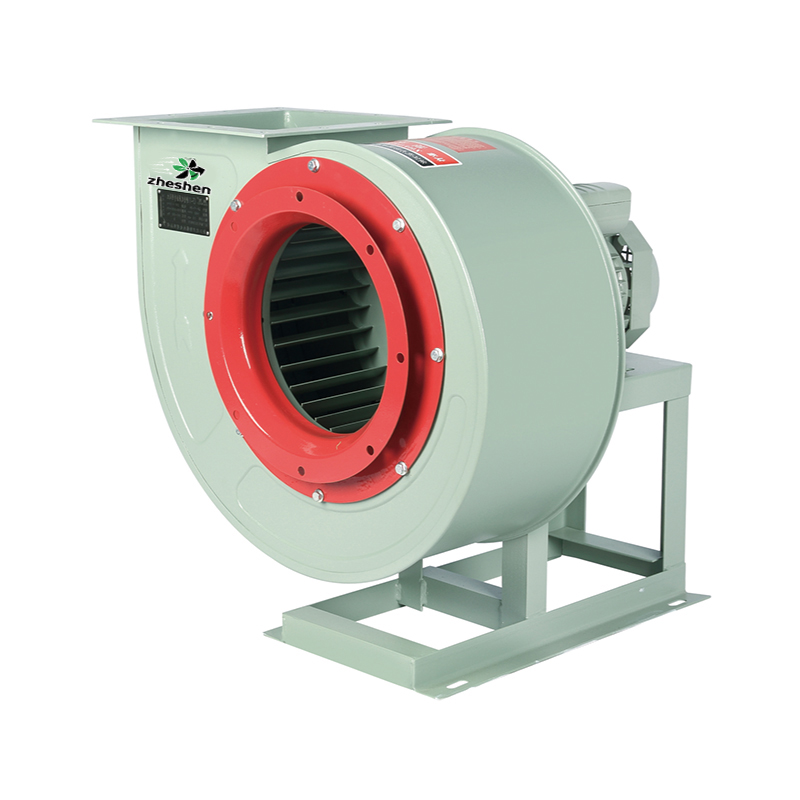
The Model CF-11 Low-Noise Multi-Blade Centrifugal Ventilator was designed and manufactured by our co...
+ VIEW MORE
Do you have questions? Do not wait, Let's talk!
Products:
Contact Us
- Tel/Whatsapp:+86-13586259916
- Tel:+86-15825511111
- Email: [email protected]
- Add:Jin'ao Industrial Zone, Shanshi, Daxi Town, Wenling City, Zhejiang Province
Mobile
Copyright ©
Zhejiang Shenli Explosion proof Electromechanical Co., Ltd.
All rights reserved

