
 English
  中文简体
中文简体  Français
 The SWF-I mixed-flow ventilator is a novel type of fan that bridges the gap between axial-flow and c...
+ VIEW MORE
Why Is a High Temperature Centrifugal Fan Used in Industry
Deliver multiple validated explosion-proof fan solutions
Industrial production really often depends on air movement that keeps going even under heat conditions. From thermal processing equipment to drying systems and exhaust setups, airflow management plays a genuinely important role in keeping operations stable. Ordinary ventilation equipment doesn't always hold up in these conditions, since high heat can throw off materials, components, and overall performance pretty fast.
A High Temperature Centrifugal Fan gets built for exactly this — applications where heated air needs moving, circulating, or clearing out entirely. Its structure factors in temperature swings, material choice, airflow requirements, and installation conditions all at once. Manufacturers really can't just focus on moving air here; they need to think through how the equipment fits into the whole industrial system around it.
For engineers and buyers, picking the right solution takes more than checking airflow numbers on a spec sheet. The working environment, operating conditions, maintenance needs, and equipment design all shape the final decision. Getting a handle on how these pieces connect helps companies land on equipment that genuinely fits their production needs.
What Makes a High Temperature Centrifugal Fan Suitable for Continuous Heat Operation
Industrial environments throw up challenges that look pretty different from normal ventilation work. Heat exposure can affect metal components, rotating parts, and connection structures over time. That's really why equipment meant for these conditions needs a design approach built around long-term operation under shifting temperatures.
Material adaptability matters a lot here. Components sitting in heated environments need to hold their structural condition even after repeated temperature swings. Picking suitable materials helps cut down on problems tied to expansion, contraction, or mechanical stress building up.
Airflow stability is another piece of the puzzle. In industrial systems, air movement often needs to stay consistent, since uneven circulation can throw off the whole production process. The fan's internal structure — the rotating assembly, the airflow path — shapes how smoothly air actually moves through the system.
A suitable design usually focuses on a handful of things:
- Material selection based on working temperature requirements
- Structural design that accounts for thermal movement
- Component arrangement that supports stable operation
- Maintenance access for regular inspection
| Design Consideration | Purpose in Industrial Use |
|---|---|
| Heat-resistant materials | Helps components adapt to heated environments |
| Balanced rotating parts | Supports smoother operation |
| Suitable housing structure | Helps protect internal components |
| Proper airflow design | Supports consistent air movement |
Continuous operation really doesn't come down to temperature resistance alone, either. The surrounding environment, installation method, and maintenance routine all shape how well the equipment holds up through daily production.
How Does a High Temperature Centrifugal Fan Work in Furnace and Drying Systems
A lot of industrial processes depend on controlled air circulation. Furnace systems, drying equipment, and heating facilities often need airflow moving heated air through specific zones. In these setups, the fan really acts as the link between the heat source and the broader airflow system.
Inside the equipment, the rotating impeller creates air movement by shifting the direction and pressure of the airflow. That movement then gets transferred through connected channels to support circulation or exhaust work.
In drying systems, airflow helps pull moisture out and keep a consistent environment around whatever materials are being processed. In furnace-related setups, controlled air movement helps spread heat around and clear unwanted gases out of the working area.
Different applications tend to call for different configurations:
- Heating equipment may focus on heat circulation
- Drying systems may need stable airflow movement
- Exhaust systems may need reliable air removal
- Processing equipment may need customized airflow arrangements
| Application Area | Airflow Purpose |
|---|---|
| Industrial drying systems | Supports heated air circulation |
| Furnace equipment | Helps manage internal air movement |
| Exhaust systems | Transfers heated air away from equipment |
| Processing lines | Maintains airflow conditions |
The role of a High Temperature Centrifugal Fan really isn't just moving air from one place to another. Its performance ties in closely with how the complete system's designed. Understanding the application environment helps manufacturers point toward more suitable solutions.
Why Does a High Temperature Centrifugal Fan Need Special Materials and Design Features
Heat really does mess with the physical properties of materials over time. When equipment runs in heated environments, components can go through expansion, contraction, and steady mechanical stress. That's really why material choice and structural design carry so much weight in manufacturing.
The impeller's one of the key parts shaping airflow movement. Its material and structure need to line up with the operating environment it's headed into. A suitable design helps keep airflow requirements and mechanical operation working in step with each other.
The housing matters here too. It supports the internal structure and helps create a stable airflow passage. On top of that, manufacturers need to think through how different parts behave together once temperature changes enter the picture.
Common design considerations include:
- Selecting materials according to application conditions
- Adjusting component structures for heat exposure
- Considering the connection between rotating and fixed parts
- Designing for convenient inspection and maintenance
A well-planned manufacturing process really doesn't zoom in on individual components alone. It weighs the relationship between materials, structure, airflow, and the actual working environment together.
Which Factors Affect the Performance of a High Temperature Centrifugal Fan
The operating condition of industrial equipment shifts over time, and quite a few factors can influence airflow performance — temperature, system resistance, installation environment, maintenance condition, all of it.
Temperature swings can affect air density and how the equipment actually runs. Once surrounding conditions shift, the fan system might need adjusting to hold onto suitable airflow.
System design matters just as much. How the fan connects with other equipment shapes airflow movement quite a bit. Mismatched components can create unnecessary resistance and throw off operation down the line.
Key factors worth watching:
- Working temperature
- Airflow requirements
- System layout
- Installation position
- Maintenance condition
| Influencing Factor | Possible Impact |
|---|---|
| Temperature condition | Affects operating environment |
| System resistance | Influences airflow movement |
| Installation method | Affects equipment coordination |
| Maintenance status | Relates to long-term operation |
Performance really doesn't hinge on one single factor. A full look at the application environment helps users land on choices that actually fit.
How to Choose a High Temperature Centrifugal Fan for Different Industrial Applications
Picking suitable equipment really takes a clear read on the working environment first. Different industries carry different airflow requirements, temperature conditions, and installation constraints.
Before choosing, buyers usually need to nail down a few things:
- What type of system will use the equipment
- What airflow direction is required
- What environmental conditions exist
- How the equipment will be installed and maintained
A manufacturer can take this information and point toward a suitable structure and configuration. Communication between buyers and manufacturers really matters here, since every application tends to carry slightly different needs.
A drying system, for instance, might focus on continuous circulation, while an exhaust system might focus more on clearing heated air out. Same basic product category, but the actual design can shift quite a bit depending on the real application.
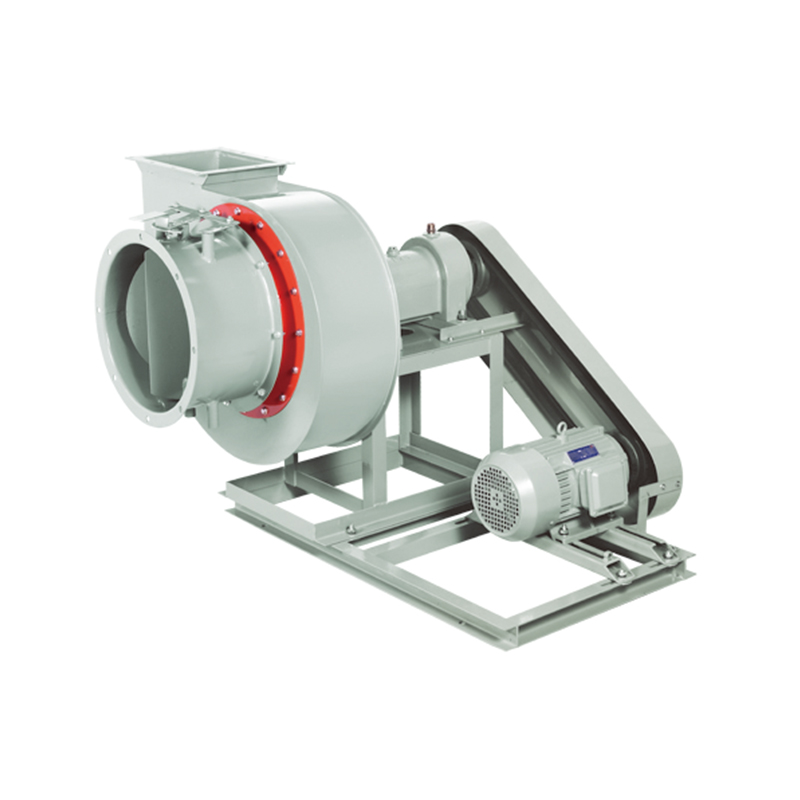
What Should Buyers Know Before Ordering a High Temperature Centrifugal Fan
Before placing an order, it's worth pulling together detailed application information ahead of time. Clear communication helps manufacturers understand the operating environment and offer suggestions that actually make sense for production.
Worth sharing:
- Equipment application
- Working environment
- Airflow direction
- Installation conditions
- Maintenance expectations
It's also worth thinking a step further ahead — a product that fits the current system tends to coordinate better through daily use down the road.
For customized equipment, talking through structure, materials, and connection methods matters too. Manufacturers often need real application details to shape the design around what the customer actually needs.
A clear buying process really helps cut down on misunderstandings and gets both sides on the same page about what the final product needs to deliver.
How to Maintain a High Temperature Centrifugal Fan and Reduce Common Problems
Regular maintenance helps catch potential issues before they start messing with normal operation. Industrial equipment often runs in demanding conditions, so inspection and care really do need to be part of everyday management.
Common maintenance habits include:
- Checking rotating components regularly
- Inspecting unusual sounds or vibration
- Keeping airflow paths clean
- Reviewing connection conditions
- Following suitable maintenance schedules
Small shifts during operation can be a sign that inspection's overdue. Changes in noise, airflow, or vibration, for instance, can tell you a lot about how the equipment's actually holding up.
Maintenance really isn't only about fixing problems after they show up. It also helps operators get a feel for how the equipment behaves under different working conditions, which supports steadier operation overall.
Tips for Selecting the Right High Temperature Centrifugal Fan for Industrial Air Systems
Picking the right equipment really comes down to balancing application needs, system design, and whatever operating conditions lie ahead. A suitable choice depends on how well the equipment fits the complete industrial environment it's stepping into.
A few practical tips worth keeping in mind:
- Review the working environment before choosing equipment
- Consider airflow requirements together with system design
- Communicate application details with the manufacturer
- Pay attention to maintenance convenience
- Select a design that fits the installation conditions
The right selection process really starts with understanding what the equipment's actually meant to do. Rather than fixating on one single feature, buyers should think through how the High Temperature Centrifugal Fan works alongside the entire system around it.
For manufacturers and industrial users alike, solid communication and careful evaluation are genuinely important steps when picking airflow equipment for heated environments. A clear read on application requirements helps shape a solution that supports steady, dependable industrial operation.
Related Product
-
-
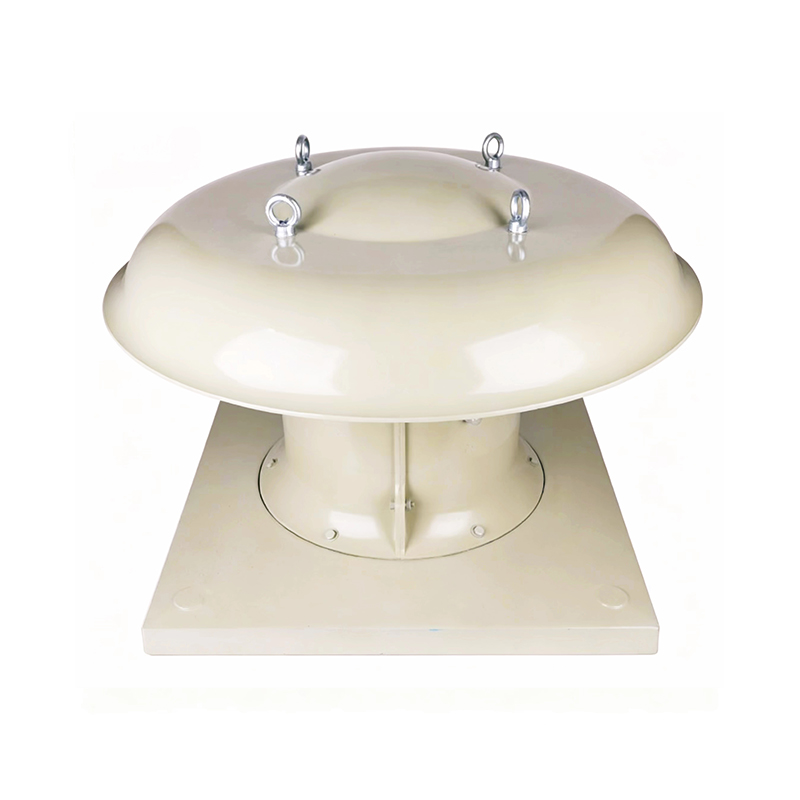
The WT35-11 and FWT35-11 series roof-mounted fans feature high airflow volume and—compared to centri...
+ VIEW MORE -
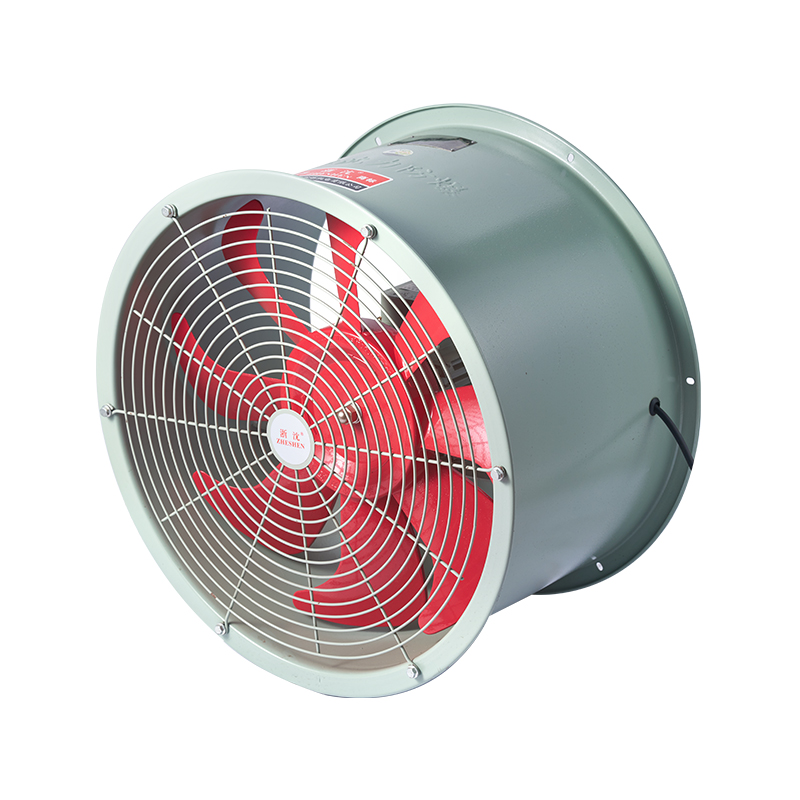
The T35-11, BT35, and FT35 series permanent magnet variable-frequency axial-flow fans serve as repla...
+ VIEW MORE -
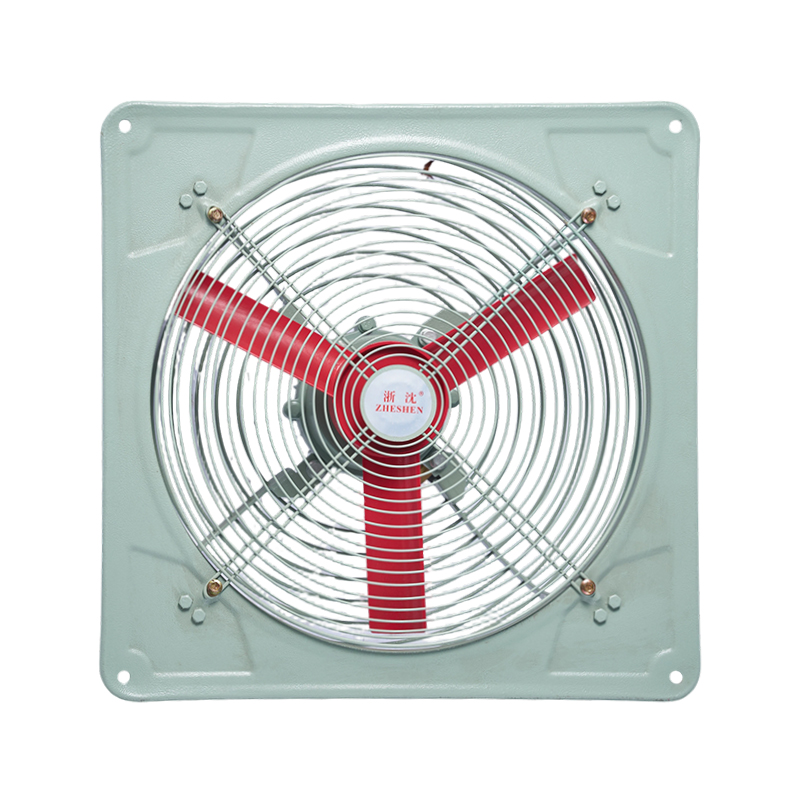
The BPS51 series explosion-proof exhaust fan is suitable for use in hazardous areas classified as Zo...
+ VIEW MORE -
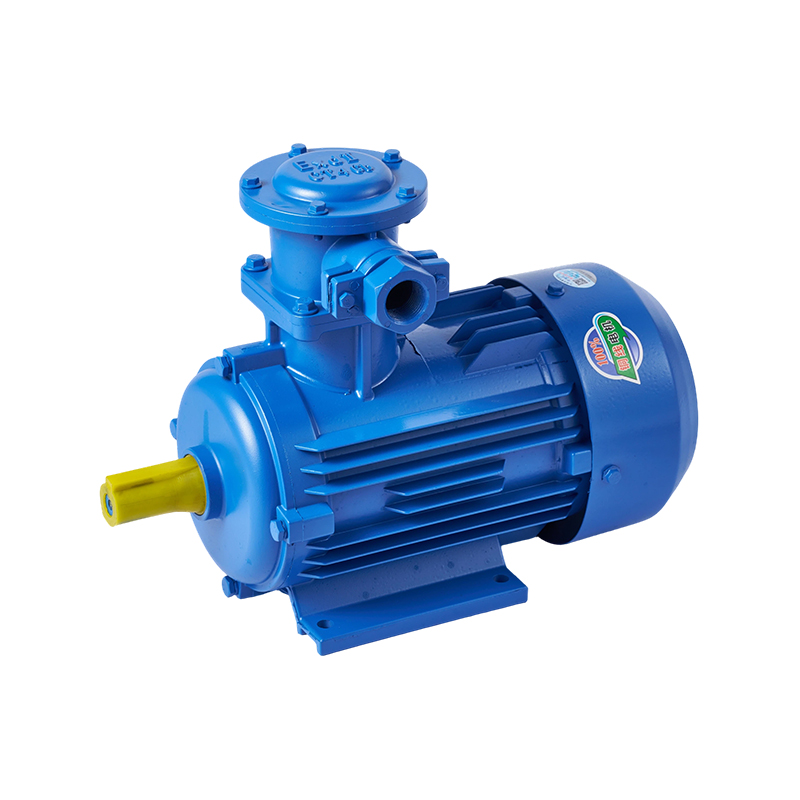
The YBX3 series of high-efficiency, flameproof, three-phase asynchronous motors is a fully enclosed,...
+ VIEW MORE -
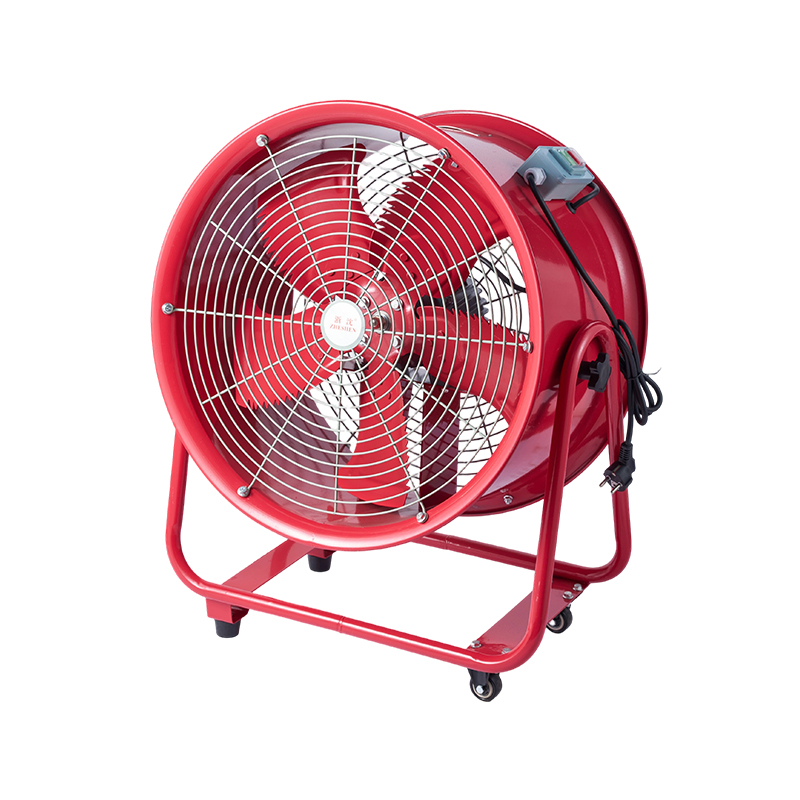
The CTF Mobile Low-Noise Axial Flow Fan represents a new generation of low-noise ventilation equipme...
+ VIEW MORE
Do you have questions? Do not wait, Let's talk!
Products:
Contact Us
- Tel/Whatsapp:+86-13586259916
- Tel:+86-15825511111
- Email: [email protected]
- Add:Jin'ao Industrial Zone, Shanshi, Daxi Town, Wenling City, Zhejiang Province
Mobile
Copyright ©
Zhejiang Shenli Explosion proof Electromechanical Co., Ltd.
All rights reserved

