
 English
  中文简体
中文简体  Français
 This product series is suitable for use in locations containing explosive gas mixtures classified as...
+ VIEW MORE
How Does an Industrial Roof Ventilation Fan Support Factory Ventilation
Deliver multiple validated explosion-proof fan solutions
Industrial buildings often run into trouble with heat buildup, uneven air circulation, and shifting indoor conditions. In large workshops, warehouses, and production spaces, natural airflow alone rarely does enough to carry warm air away from where people are actually working. A well-planned ventilation setup helps create a more balanced indoor environment by keeping air moving continuously rather than letting it stagnate.
An Industrial Roof Ventilation Fan is built to work with a building's own structure, using the roof as a pathway for pushing out unwanted heat and improving overall air exchange. Rather than focusing purely on moving air from point A to point B, a suitable ventilation solution has to account for building layout, working conditions, installation position, and what long-term operation actually looks like.
For factory owners and project planners, picking the right ventilation equipment goes well beyond the fan itself. It also means understanding how the building operates day to day, where airflow problems tend to show up, and what maintenance demands might affect things down the line. From material selection through installation planning, every step along the way shapes how an Industrial Roof Ventilation Fan performs once it's actually running in a real industrial setting.
Why Is an Industrial Roof Ventilation Fan Important for Buildings
Industrial buildings usually have large indoor spaces where air movement can get pretty uneven without help. Warm air naturally rises and tends to collect near the upper areas of a facility. Without proper ventilation support, some zones end up with uncomfortable working conditions, stale air, or real difficulty keeping indoor temperature under control.
Roof-based ventilation offers a practical route for releasing that accumulated air from higher points in a building. By creating a clear path for movement, it helps connect what's happening indoors with the airflow outside.
Ventilation needs shift depending on the type of facility involved.
| Building Type | Common Ventilation Considerations |
|---|---|
| Manufacturing workshop | Heat from machines, airflow around working zones |
| Storage warehouse | Air circulation across large enclosed spaces |
| Processing facility | Air exchange and indoor environment control |
| Assembly area | Maintaining comfortable working conditions |
A ventilation system should match the actual needs of the building rather than just having equipment added without much planning behind it. Roof structure, internal layout, and daily activity all shape how air actually moves inside a facility.
Thoughtful ventilation planning also tends to support a more organized working environment overall. When airflow gets factored into building design or renovation from early on, an Industrial Roof Ventilation Fan can work more naturally with the space instead of feeling bolted on as an afterthought.
How Does an Industrial Roof Ventilation Fan Support Air Movement in Large Facilities
Large industrial spaces often contain several distinct airflow zones. Some areas get plenty of fresh air moving through, while others end up fairly stagnant. Roof ventilation's job is really to narrow that gap by encouraging continuous movement across the whole space.
A roof-mounted system works by helping push warmer indoor air outward while letting replacement air enter through planned openings elsewhere. How well that process works depends heavily on the relationship between the fan itself, the building's structure, and whatever's happening in the surrounding environment.
Roof position affects how efficiently warm air can actually leave the building. Internal obstacles can shift the direction air ends up moving in. Building height plays into how air collects and circulates. And working activities themselves can create ventilation needs that shift throughout the day.
Rather than functioning as some isolated piece of equipment, an Industrial Roof Ventilation Fan becomes part of the building's broader ventilation design. That framing lets factories think about airflow from a wider angle instead of treating it as a single fixed problem.
For facilities where production conditions shift over time, flexible ventilation planning tends to make daily operations noticeably easier to manage. A system that's properly arranged supports different working areas without demanding major changes to the building structure itself.
How Does an Industrial Roof Ventilation Fan Work in Factories and Warehouses
Factories and warehouses differ in layout, but plenty of them share similar ventilation headaches. Large open spaces, high ceilings, and constant activity all affect how air behaves indoors.
In manufacturing workshops, running equipment tends to create pockets where heat gathers. In warehouses, stored materials combined with sheer building size shape how air circulates across the floor. A roof ventilation solution addresses both situations by giving air a planned route to actually exchange rather than just sitting.
| Application Area | Ventilation Focus |
|---|---|
| Production workshops | Supporting airflow around active work areas |
| Storage buildings | Improving circulation in enclosed spaces |
| Equipment rooms | Helping remove accumulated warm air |
| Commercial industrial spaces | Maintaining balanced indoor airflow |
The design approach tends to shift depending on the working environment in question. A facility handling varied materials or processes usually needs different airflow planning than a straightforward storage building would.
For manufacturers and buyers alike, getting a real handle on the application environment matters before any ventilation equipment gets chosen. The same Industrial Roof Ventilation Fan can perform quite differently depending on where it ends up installed and how it's actually used.
How to Choose the Right Industrial Roof Ventilation Fan for Different Industrial Buildings
Picking suitable ventilation equipment takes more than glancing at appearance or basic specs. The building itself plays a genuinely large role in shaping that decision.
Before settling on a choice, it helps to think through a few things:
- The size and structure of the building
- Where the main heat sources are located
- What direction airflow is expected to move in
- The surrounding working environment
- How accessible maintenance will actually be
Different industrial buildings tend to call for different configurations. A warehouse with open storage areas has different needs than a workshop running machines continuously throughout the day.
A sensible selection process really starts with understanding what the actual ventilation problem is. Rather than choosing an Industrial Roof Ventilation Fan based purely on general descriptions, buyers can work through how a given system actually fits their specific facility.
It helps to ask where warm air usually collects, which areas genuinely need better airflow support, how maintenance access will be arranged once the fan's installed, and what environmental conditions might affect the equipment over time. That kind of groundwork helps shape a ventilation solution that fits how the building actually operates day to day.
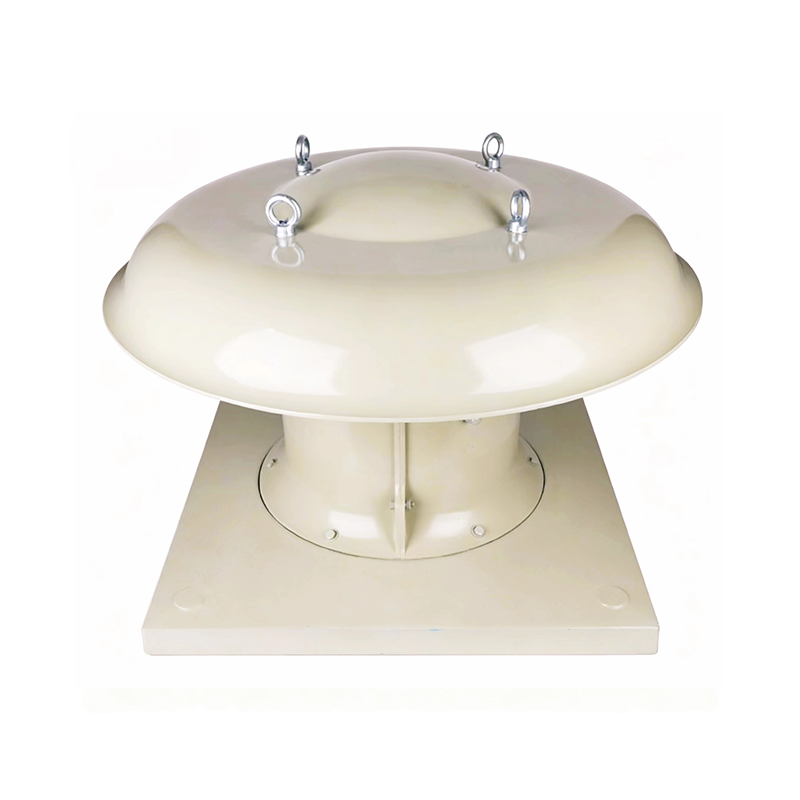
Which Factors Should Buyers Check Before Purchasing an Industrial Roof Ventilation Fan
Before buying ventilation equipment, buyers generally review a handful of details tied to construction, operation, and ongoing service needs.
- Material selection — the surrounding environment can shape what materials actually make sense. Buildings exposed to moisture, dust, or frequently changing conditions usually need materials chosen with that exposure in mind.
- Motor and component design — internal components affect how the equipment holds up during regular use, so it's worth checking whether the design actually matches the expected working environment.
- Maintenance requirements — easy inspection and service access make future maintenance a lot less of a headache.
- Supplier communication — clear conversation about building conditions, installation needs, and product expectations goes a long way toward avoiding misunderstandings later.
A supplier worth working with should hand over information that genuinely helps customers decide, rather than leaning purely on promotional language. Understanding a customer's actual application environment is really a core part of the purchasing process, not an afterthought tacked onto the sale.
Where Should an Industrial Roof Ventilation Fan Be Installed to Improve Ventilation Performance
Installation location shapes how effectively air actually moves through a building. A well-chosen position lets the ventilation system work alongside the internal layout instead of fighting against it.
Before installation, it's worth thinking through where warm air tends to gather, what the roof structure and available installation space actually allow, how internal airflow paths run through the space, and how maintenance access will look once everything's in place.
Roof layout differs from one building to the next, so installation planning needs adjusting to match actual conditions rather than following a fixed template.
Poor placement can quietly reduce airflow efficiency or make maintenance far more awkward than it needs to be. Careful planning before installation helps an Industrial Roof Ventilation Fan settle naturally into the building's existing structure.
For renovation projects specifically, existing buildings often need extra checks to confirm whether the roof and surrounding structure can actually support new ventilation equipment without additional reinforcement.
What Maintenance Tips Help Keep an Industrial Roof Ventilation Fan Running Smoothly
Regular maintenance helps keep operation stable and lets potential issues surface earlier rather than later. Even equipment that's genuinely well designed still needs attention over long-term use.
A workable maintenance routine usually covers:
- Checking whether the fan is operating normally
- Clearing accumulated dust from relevant areas
- Inspecting connections and moving parts
- Reviewing any unusual sounds or shifts in vibration
Maintenance schedules tend to vary depending on the working environment. Facilities dealing with heavier dust or near-constant operation usually need closer attention than cleaner, lower-activity environments.
Keeping some record of inspections also helps maintenance teams notice changes building up over time. Small adjustments made early, along with timely checks, can prevent what would otherwise turn into bigger operational problems down the road.
A maintenance plan works best when it's genuinely practical and matches the facility's actual working conditions, rather than following a generic checklist that doesn't quite fit.
How Do Industrial Roof Ventilation Fan Manufacturers Design Fans for Different Working Environments
Manufacturers have to weigh a range of industrial environments when developing ventilation products. A factory workshop, a warehouse, and a processing area can each carry fairly different airflow requirements and operating conditions.
Product design generally works through choosing materials suited to different environments, planning realistic airflow paths, matching components to expected operation needs, and thinking through installation convenience from the customer's side.
Manufacturing an Industrial Roof Ventilation Fan isn't purely about producing equipment either — it also depends on genuinely understanding how customers end up using the product once it's installed. Feedback gathered across different applications tends to feed back into improving future designs over time.
For buyers, working with a manufacturer that actually understands industrial applications tends to make communication a lot smoother. Clear product information, solid technical support, and real attention to practical requirements all help build a cooperation process that holds up over time.
Industrial ventilation ties closely into building design, working conditions, and how equipment gets selected in the first place. Weighing these elements together is really what lets a factory settle on a ventilation approach that genuinely fits its own operational needs, rather than reaching for whatever's easiest to install.
Related Product
-
-
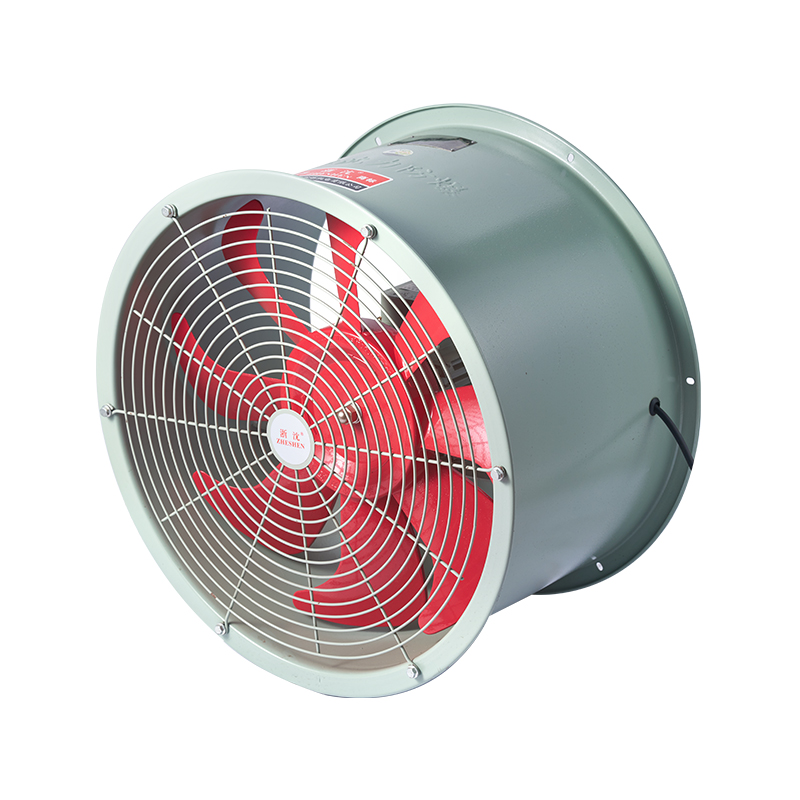
The T35-11, BT35, and FT35 series axial flow fans serve as replacements for the 30K4 series. The T35...
+ VIEW MORE -
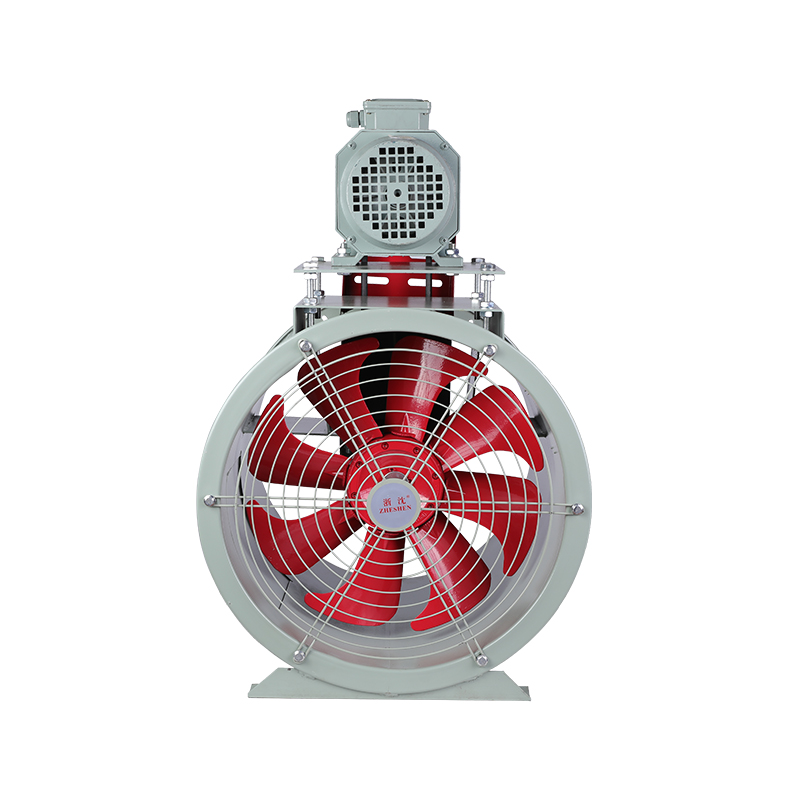
The Model T40 axial-flow fan is suitable for general ventilation and air exchange in factories, ware...
+ VIEW MORE -
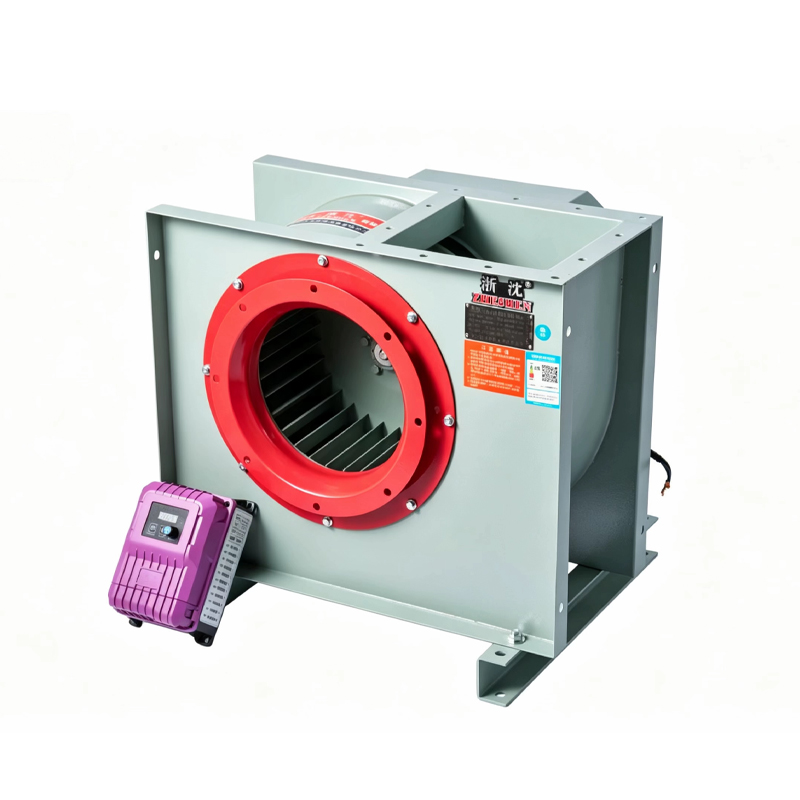
The YC Series Permanent Magnet Variable Frequency Kitchen Fan was designed and manufactured by our c...
+ VIEW MORE -
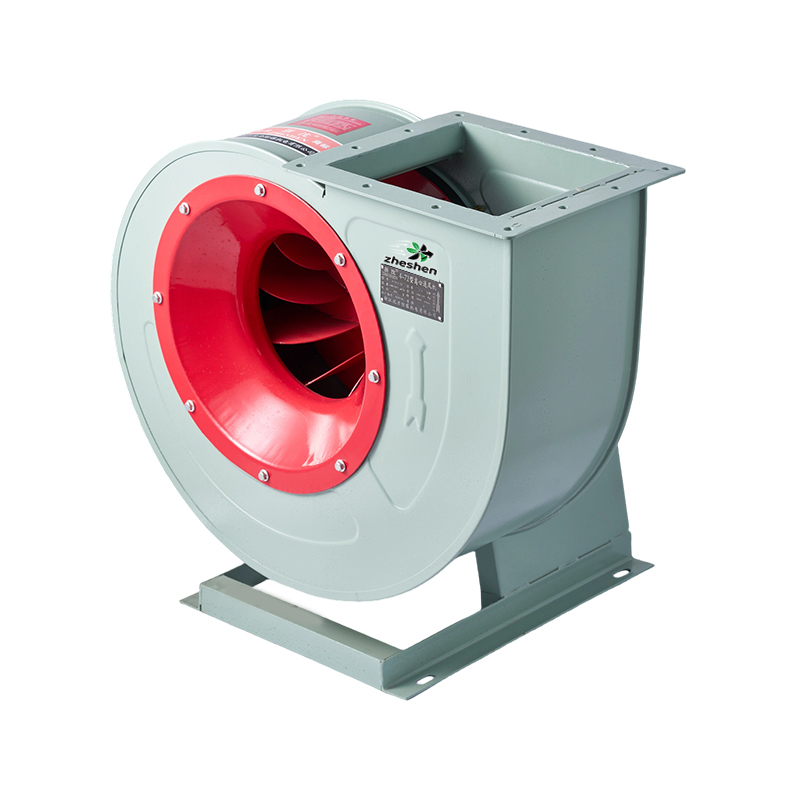
The Model 4-72 centrifugal ventilator is designed to convey air and other gases that are non-flammab...
+ VIEW MORE -
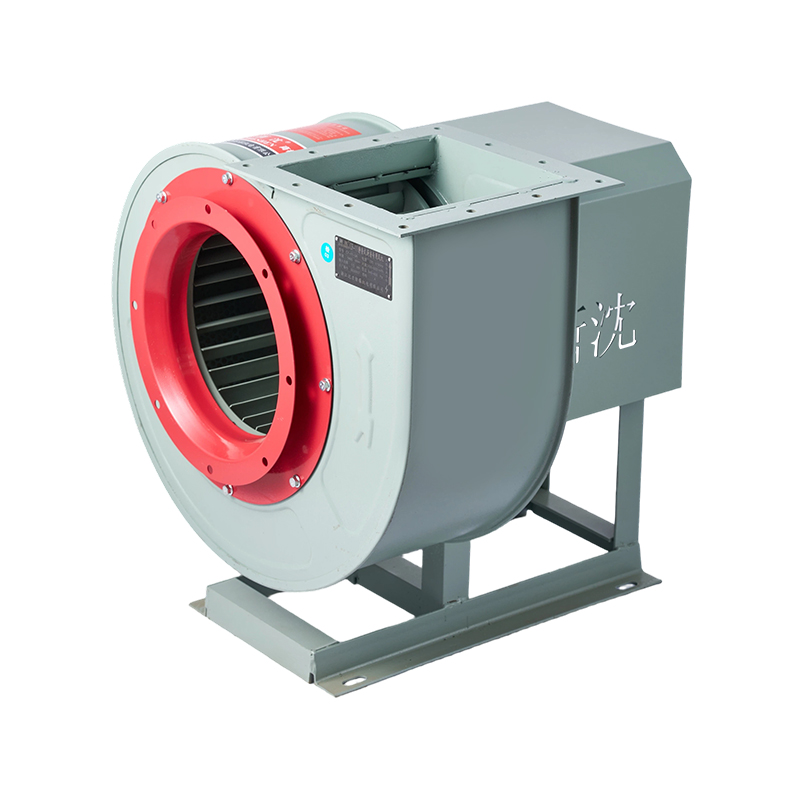
The Model 11-62A Low-Noise Multi-Blade Centrifugal Ventilator is designed and manufactured to meet t...
+ VIEW MORE
Do you have questions? Do not wait, Let's talk!
Products:
Contact Us
- Tel/Whatsapp:+86-13586259916
- Tel:+86-15825511111
- Email: [email protected]
- Add:Jin'ao Industrial Zone, Shanshi, Daxi Town, Wenling City, Zhejiang Province
Mobile
Copyright ©
Zhejiang Shenli Explosion proof Electromechanical Co., Ltd.
All rights reserved

