
 English
  中文简体
中文简体  Français
 This product series is suitable for use in locations containing explosive gas mixtures classified as...
+ VIEW MORE
How to Choose the Right Boiler Centrifugal Fan
Deliver multiple validated explosion-proof fan solutions
Choosing the right fan for a boiler system is rarely about one feature alone. The better question is how the unit fits the way the system actually works. Air movement, resistance in the duct path, heat exposure, operating stability, and maintenance access all shape the final choice. A Boiler Centrifugal Fan is not simply a moving part in the background. It influences how smoothly air reaches the furnace, how consistently combustion stays controlled, and how much attention the system will need later.
For manufacturers and buyers alike, the practical challenge is to match the fan to the application without overcomplicating the decision. Some systems need steadier pressure support. Others face dust, heat, or space limits. In many cases, a fan looks suitable at first glance but behaves differently once it is placed into the real system. That is why selection should begin with working conditions rather than appearance alone.
A careful approach also helps reduce later adjustment work. If the fan is chosen with the system layout, operating temperature, and airflow path in mind, installation tends to be smoother and operation more predictable. The goal is not to chase technical extremes. The goal is to make the fan fit the boiler in a way that supports stable use, simpler upkeep, and clearer purchasing decisions.
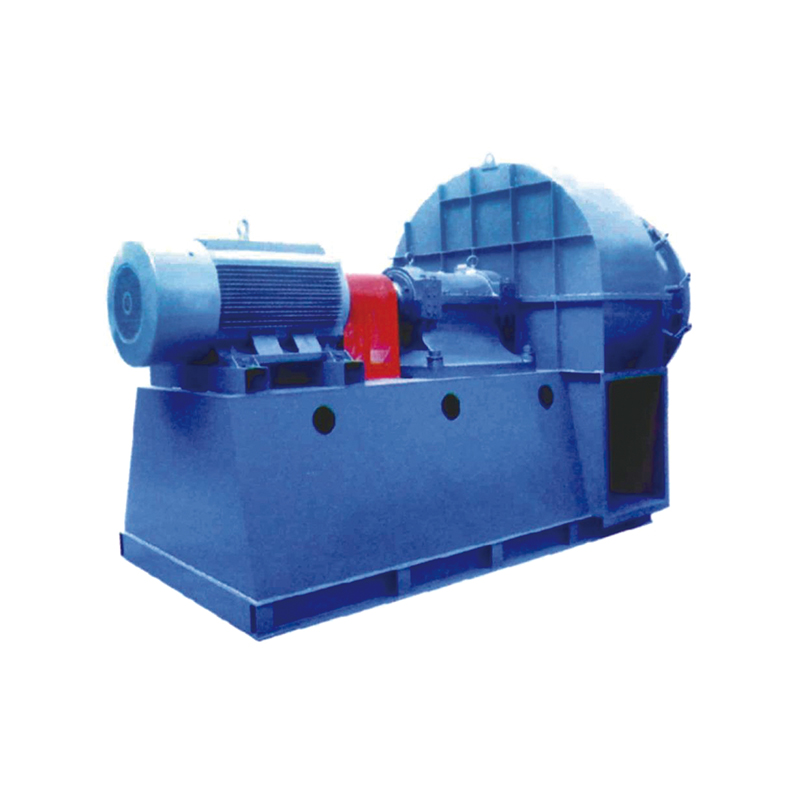
What Makes a Boiler Centrifugal Fan Perform Differently in Various Boiler Systems
Different boiler systems place different demands on the same kind of fan. A unit used in one setup may feel steady and quiet, while the same model in another system may seem strained or uneven. The reason is usually the surrounding condition, not the fan alone. Duct length, bend count, pressure resistance, heat exposure, dust load, and installation layout all affect how air moves.
A useful way to think about selection is to compare the system environment first, then the fan. A clean, compact arrangement does not behave like a long and restrictive path. A system with frequent temperature change does not behave like one with stable working conditions. Because of this, the same Boiler Centrifugal Fan can require a different operating match depending on where it is used.
A practical selection process often starts with these points:
- the general boiler type and working mode
- the expected air path and resistance
- the space available for installation
- the level of heat and dust around the equipment
- the amount of maintenance access available
These details help explain why performance differences appear even when the visible product looks similar. In industrial use, the surrounding system is often the deciding factor.
| System condition | What usually changes | What to pay attention to |
|---|---|---|
| Short and direct air path | Air moves with less resistance | Fit and steady control |
| Long duct arrangement | Pressure demand rises | Resistance and stability |
| Hot working area | Material stress increases | Heat tolerance and durability |
| Dusty environment | Wear and buildup appear sooner | Cleaning access and protection |
This kind of comparison keeps the choice grounded in use rather than assumption.
How to Choose a Boiler Centrifugal Fan That Matches Your Industrial Boiler Application
Matching the fan to the application means looking beyond size. The same boiler category can still need a different arrangement depending on fuel type, airflow path, enclosure space, and operating rhythm. A careful selection starts with the system task. Is the fan supplying air, supporting exhaust movement, or working in a shared process path? Once that role is clear, the rest of the choice becomes easier.
The strongest match usually comes from balancing airflow demand with resistance. Too little capacity may make the system feel restricted. Too much may create unnecessary noise, energy use, or control difficulty. A Boiler Centrifugal Fan should fit the application in a controlled way, not force the system to adapt around it.
It also helps to think in terms of operating behavior instead of isolated features. For example, a system that changes load often may need steadier response. A system that runs under fairly constant demand may allow a different setup. That is why good selection is partly about observing how the boiler is used over time.
A simple selection path can look like this:
- define the fan's role in the system
- review the working environment
- check available installation space
- compare airflow needs with system resistance
- confirm how often operating conditions shift
When these points are aligned, the fan is more likely to support smooth operation without unnecessary adjustment later.
| Application need | Selection focus | Common risk if ignored |
|---|---|---|
| Stable airflow | Consistent control | Uneven boiler behavior |
| Changing load | Flexible response | Control difficulty |
| Limited space | Compact arrangement | Installation conflict |
| Dust exposure | Surface protection | Faster wear |
The aim is a suitable fit, not a complicated specification.
Which Boiler Centrifugal Fan Features Matter for High Temperature Working Conditions
Heat changes the decision. A fan that works acceptably in milder conditions may behave differently when placed near a hotter section of the system. That is why temperature exposure should be part of the selection process from the beginning. Materials, housing design, bearing support, and overall structural stability all deserve attention.
In high heat conditions, the fan is not only moving air. It is also coping with stress caused by the surrounding environment. Components can expand, surfaces can age faster, and lubrication needs may change. A Boiler Centrifugal Fan used in this setting should be chosen with a clear understanding of how much thermal stress the system creates.
A few practical questions help narrow the choice:
- Will the fan remain near hot gas paths for long periods?
- Is the surrounding area ventilated or enclosed?
- Does the system run steadily or shift often?
- Will dust combine with heat to increase wear?
The answers shape the level of caution needed in material and structure selection. Heat resistance is not a marketing point here. It is a working condition.
Some buyers focus only on the visible shell, but the hidden parts matter just as much. Bearings, support points, and the contact between moving parts all influence whether the fan can continue to run smoothly under heat stress. When these parts are overlooked, the result is often more maintenance than expected.
What Common Installation Mistakes Can Reduce Boiler Centrifugal Fan Performance
Even a suitable fan can underperform if it is installed poorly. Installation issues are easy to overlook because the unit may appear correct from the outside while behaving differently once started. Small misalignments, loose support, poor duct connection, or blocked space around the housing can all change real performance.
One common problem is treating installation as a final step rather than part of the selection process. The fan should not be chosen in isolation from the layout. If the mounting point, flow direction, or access space creates conflict, the system may lose efficiency before it begins regular use. A Boiler Centrifugal Fan depends heavily on placement, because the surrounding path directly shapes how air enters and leaves the unit.
Typical installation issues include:
- uneven mounting surfaces
- poor connection between fan and duct
- limited clearance around the housing
- incorrect alignment during setup
- reduced space for inspection or cleaning
These are not dramatic failures at first, but they gradually affect reliability. A fan that vibrates after installation may be reacting to the way it was fitted, not to the product design itself.
The most useful installation habit is to think ahead. If later access will be difficult, maintenance becomes harder. If the duct path forces sharp turns near the fan, resistance rises. If the unit is forced into a cramped position, airflow behavior may shift. Careful placement usually prevents these issues before they become routine problems.
Why Does a Boiler Centrifugal Fan Lose Airflow During Long Term Operation
Airflow can change over time even when nothing obvious has failed. This is one reason long-term use deserves attention during the selection stage. The system may begin with a stable pattern and later feel weaker or less even. That shift can come from buildup, wear, alignment drift, or gradual changes in the surrounding path.
A fan in regular industrial use works under repeated stress. Surfaces collect dust, moving parts age, and the system around the unit may also change as conditions vary. A Boiler Centrifugal Fan does not usually stop performing all at once. More often, it becomes less consistent in a slow and noticeable way.
When airflow changes, the cause is often one of the following:
- buildup on internal surfaces
- wear on moving parts
- loose connections in the airflow path
- reduced efficiency caused by heat and dust
- gradual shift in alignment
Understanding this helps avoid the mistake of blaming the fan alone. Sometimes the issue is a combination of use condition and maintenance timing. In practical terms, airflow loss is often a signal that the system needs attention rather than replacement.
This is also why records matter. Operators who notice changes early can often correct them with cleaning, inspection, or adjustment. Waiting too long usually makes the next step more disruptive.
How Can Regular Maintenance Help Extend the Service Life of a Boiler Centrifugal Fan
Maintenance is not only about repair. It is part of keeping the fan close to its intended working state. Regular checks can catch dust buildup, loose mounting, unusual sound, surface wear, and bearing strain before they grow into larger interruptions. For industrial users, that kind of attention is often more practical than waiting for a fault to appear.
A fan that is cleaned and checked on a steady basis tends to behave more predictably. The system also becomes easier to manage because changes are noticed earlier. A Boiler Centrifugal Fan benefits from this kind of routine care, especially in dusty or hot environments.
Useful maintenance habits include:
- visual inspection for buildup and wear
- listening for changes in running sound
- checking support and alignment
- cleaning reachable surfaces at suitable intervals
- reviewing whether airflow behavior has shifted
Maintenance also helps separate product issues from operating issues. If the fan seems weaker, the cause may be buildup rather than design. If vibration appears, the issue may lie in alignment or support. Knowing the difference saves time and supports better decisions later.
What Should You Know Before Ordering a Custom Boiler Centrifugal Fan From a Manufacturer
Custom ordering works best when the buyer gives clear information from the start. A manufacturer can only shape the unit properly when the system needs are described in a useful way. That means the working environment, installation space, air path, and operating pattern should be explained clearly before production begins.
A custom Boiler Centrifugal Fan is often used when the system has space limits, unusual flow demands, or specific environmental conditions. In those cases, off-the-shelf options may not fit cleanly. Custom work then becomes a practical response to the application, not a special request for its own sake.
Before ordering, it helps to prepare:
- the fan's role in the system
- the available installation space
- the working temperature environment
- the expected level of dust or wear
- any special access needs for maintenance
Clear input usually leads to clearer output. It also reduces back-and-forth during the ordering process. When the manufacturer understands the actual use condition, the final design is more likely to match the system without later adjustment.
This stage is less about asking for more features and more about removing uncertainty. The better the problem is described, the better the solution can be shaped.
| Information to prepare | Why it matters | What it helps avoid |
|---|---|---|
| Working environment | Affects structure and material choice | Mismatch in use |
| Installation space | Shapes layout and fit | Space conflict |
| Airflow role | Defines operating task | Wrong application |
| Maintenance access | Supports later service | Difficult upkeep |
Which Factors Should You Compare When Choosing a Boiler Centrifugal Fan Manufacturer
Selecting a manufacturer is part of the same decision chain, because the source of the fan affects how well the unit matches the system. The buyer is not only comparing products. The buyer is also comparing how clearly the supplier understands the application, how consistent the production process is, and how well the design process supports customization.
A practical comparison should focus on capability, communication, and consistency. Can the manufacturer review the working condition in a useful way? Can the design be adjusted without confusion? Can the finished fan reflect the intended use rather than a generic shape? A Boiler Centrifugal Fan is more useful when the maker understands how the equipment will actually run.
Useful comparison points include:
- clarity in technical communication
- ability to support custom requirements
- consistency in build quality
- attention to testing and inspection
- willingness to review system details carefully
It also helps to observe how questions are handled. A manufacturer that asks about the airflow path, heat exposure, and installation condition is often working from the application outward. That kind of approach is valuable because boiler systems are rarely identical.
When comparing suppliers, the aim is not to find the loudest promise. It is to find a practical fit between the application and the production process. That is what gives the final choice more stability and fewer surprises during operation.
Related Product
-
-
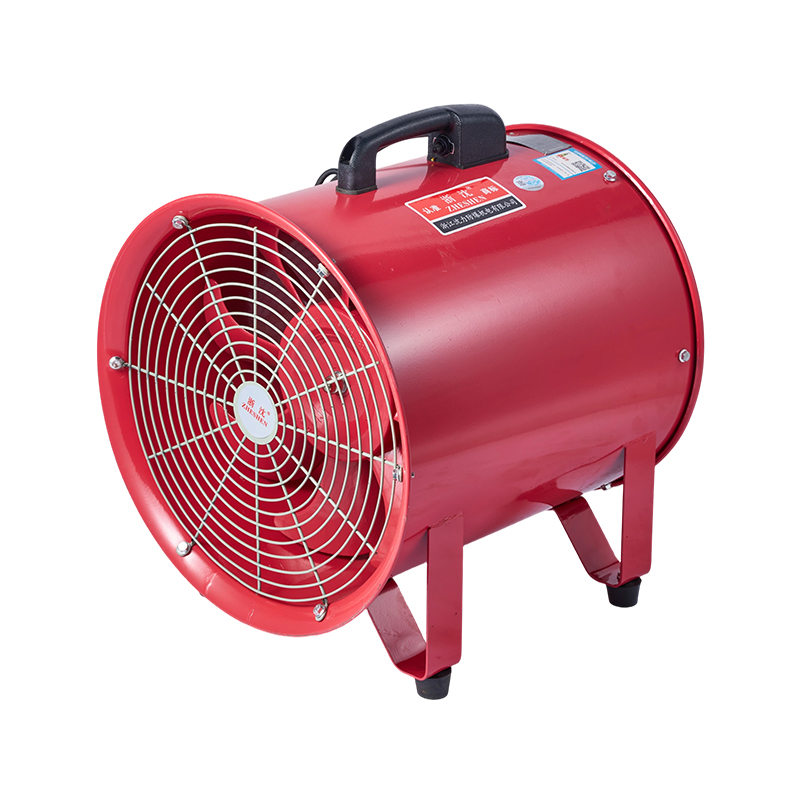
The CTF series low-noise axial flow fan represents a new generation of low-noise ventilation product...
+ VIEW MORE -
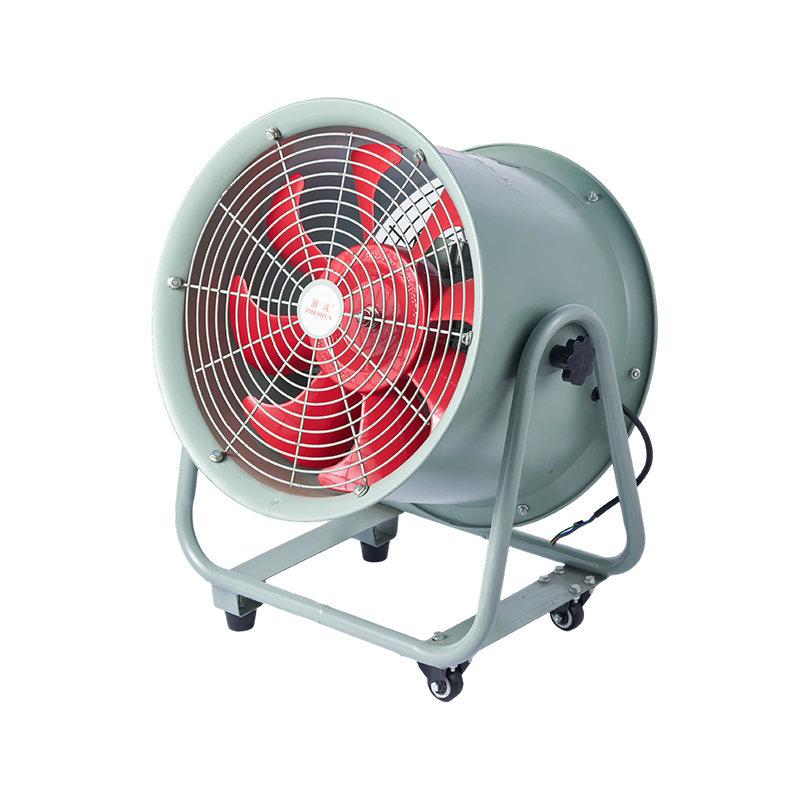
The SF Series of axial-flow fans features smooth, streamlined surfaces, stable operation, high effic...
+ VIEW MORE -
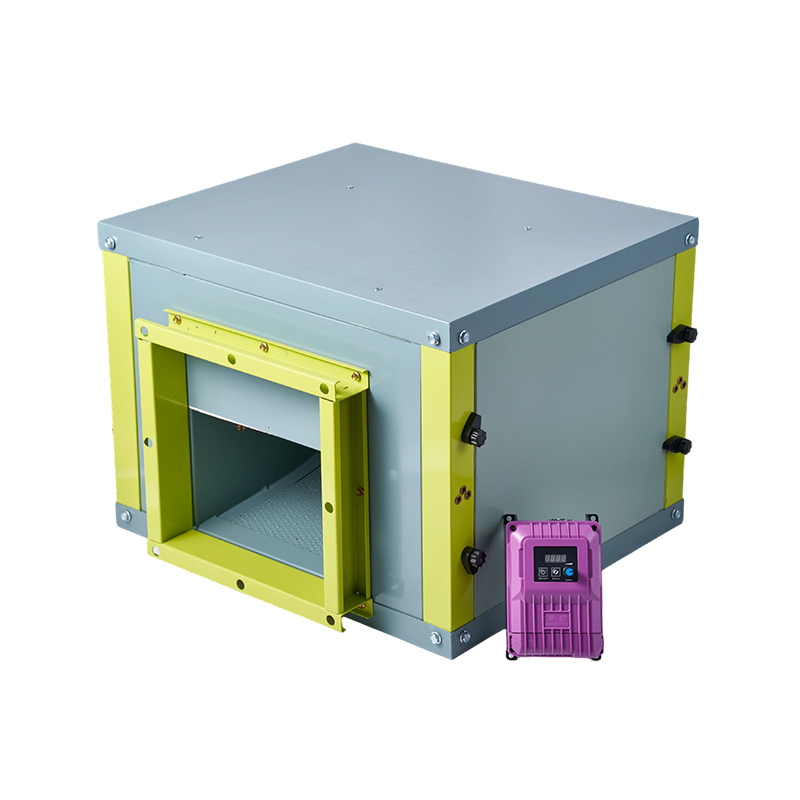
The air cabinet features a clean and elegant exterior design; all components of the cabinet body are...
+ VIEW MORE -
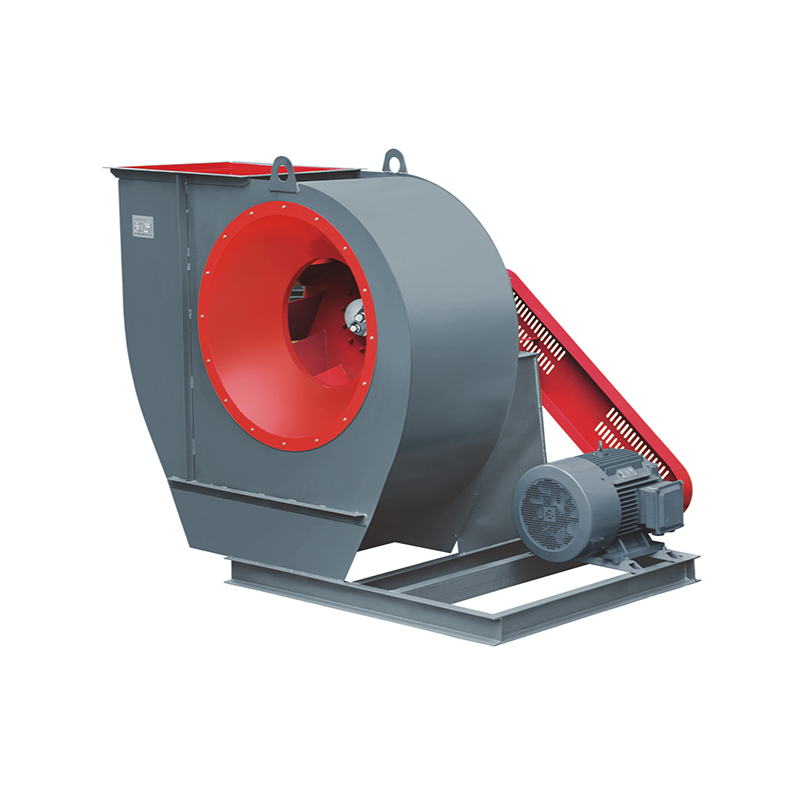
The Model 4-72C centrifugal ventilator is designed to convey air and other gases that are non-flamma...
+ VIEW MORE -
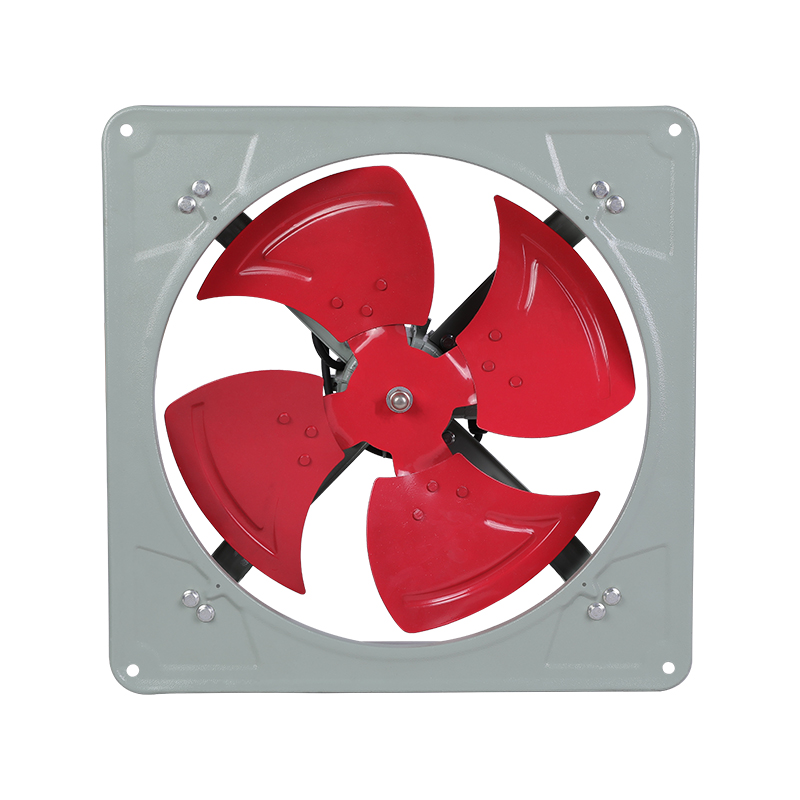
The FA-B series uses single-phase, capacitor-run axial-flow exhaust fans. The FTA series runs on thr...
+ VIEW MORE
Do you have questions? Do not wait, Let's talk!
Products:
Contact Us
- Tel/Whatsapp:+86-13586259916
- Tel:+86-15825511111
- Email: [email protected]
- Add:Jin'ao Industrial Zone, Shanshi, Daxi Town, Wenling City, Zhejiang Province
Mobile
Copyright ©
Zhejiang Shenli Explosion proof Electromechanical Co., Ltd.
All rights reserved

