
 English
  中文简体
中文简体  Français
 The SWF-I mixed-flow ventilator is a novel type of fan that bridges the gap between axial-flow and c...
+ VIEW MORE
How Can a Centrifugal Fan Manufacturer Support Your Project Needs
Deliver multiple validated explosion-proof fan solutions
Choosing a fan for a project is not only about moving air. It is also about matching the equipment to the space, the workload, the environment, and the way the system will be used over time. A Centrifugal Fan Manufacturer often supports that process from the early stage of planning, when the buyer is still comparing needs and options, through design, production, testing, and delivery. The value is not only in making the unit, but in helping the customer avoid mismatch, delay, and rework.
For many buyers, the real challenge appears before the order is placed. The system may need to handle dust, heat, resistance in ducting, or irregular running conditions. A practical manufacturing partner can help turn those requirements into a usable design. That usually means asking clear questions, checking the working conditions, and making choices that fit the project instead of forcing the project to fit a standard unit. In that sense, a Centrifugal Fan Manufacturer is not only a producer, but also a technical support point for the whole purchasing process.
What Should Buyers Know Before Choosing a Centrifugal Fan Manufacturer for Their Projects
Before starting a project, buyers often focus on the final product and overlook the process behind it. That can create problems later. A good starting point is to define the real working need. Is the fan meant for continuous operation, intermittent use, or a setting where air flow changes often? Will the unit sit in a clean space, or in an area with dust, moisture, or heat? These details shape the choice more than appearance or size alone.
It also helps to look at how the supplier communicates. Clear replies, careful questions, and a willingness to confirm details usually matter more than general promises. When the exchange is vague, the risk of error rises. Buyers may receive a unit that looks right on paper but behaves differently once installed.
A simple way to compare suppliers is to look at a few practical points.
| Buyer Check Point | What to Look For |
|---|---|
| Project Fit | Can the supplier adjust the design to the actual use case? |
| Communication | Are the questions clear and specific? |
| Production Control | Is the process stable from start to finish? |
| Delivery Support | Can the supplier manage packing and timing with care? |
These checks do not require deep technical background. They are mainly about whether the supplier can connect the product to the project in a sensible way.
What Information Does a Centrifugal Fan Manufacturer Need to Design the Right Fan System
Good results usually start with good information. If the buyer provides only a general request, the design may stay too broad. When the expected use is clear, the manufacturing team can make better choices about shape, structure, material, and drive setup. The goal is not to add complexity, but to remove guesswork.
The most useful information is often practical. What kind of air will pass through the unit? Will the system face resistance from long ducts or tight bends? Will it run in a dry room or a harsher area? Does the project need a compact layout, or is there room for a larger housing? These are the kinds of details that guide the early design stage.
It also helps to explain how the fan will be used in the wider system. A unit that performs well in one setup may behave differently in another. For that reason, the design should be based on the whole working environment, not only on the fan itself. When buyers share drawings, space limits, or a clear description of the installation area, the result is usually more accurate.
In many cases, the design process becomes easier when the buyer treats it like a shared problem rather than a simple purchase. That shift helps the supplier give a more useful recommendation and reduces the chance of changes after production has already started.
How Does a Centrifugal Fan Manufacturer Customize Solutions for Different Industrial Applications
Different projects create different demands. A fan used in a clean indoor system may not suit a space with dust, particles, or heat. A unit used for air movement in a small workshop may need a different structure from one used in a larger plant setting. This is where customization becomes more than a feature. It becomes a practical step in making the system fit the work.
Customization can involve the outer structure, the internal layout, the material choice, or the way the motor is matched to the unit. In some cases, the change is small. In others, the adjustment may affect several parts of the design. The point is not to create something unusual for its own sake. The point is to make sure the fan works in a way that suits the project.
| Application Need | Possible Design Direction |
|---|---|
| Dust Handling | Stronger structure and easier cleaning access |
| Heat Exposure | Material choice suited to the working area |
| Space Limits | Compact layout and careful installation planning |
| Changing Air Flow Needs | Flexible design and closer matching during selection |
A sensible manufacturing partner will not push one design for every use. Instead, the design should follow the working condition, the installation space, and the purpose of the system. That kind of flexibility is often what buyers are looking for, even if they do not say it in technical language.
How Can a Centrifugal Fan Manufacturer Support OEM Projects From Design to Delivery
Custom projects usually need more back-and-forth than standard orders. Drawings may need checking, details may need confirmation, and the buyer may want samples or a trial stage before moving ahead. A reliable Centrifugal Fan Manufacturer can support that process by keeping communication steady and keeping the project organized from one stage to the next.
In the design phase, the main task is to align the buyer's idea with what can be built in a stable way. That may involve changing a dimension, adjusting the layout, or suggesting a small modification that helps the final unit run more smoothly. In production, the focus shifts to repeatability. Once the design is approved, the unit should be made in a consistent manner so that the final batch follows the same standard.
Delivery support matters as well. Packing, handling, and transport planning can all affect the final condition of the product. A project may look complete on the production floor, but still face issues if the packaging is weak or the handover is unclear. That is why the end of the manufacturing process should still be treated as part of the project, not as an afterthought.
For buyers, the most useful sign is usually simple: the supplier keeps the project moving without confusion. That reduces stress and helps each stage connect to the next one.
How Does a Centrifugal Fan Manufacturer Control Quality During the Production Process
Quality control is not a single action at the end of the line. It begins earlier, with material choice and part preparation, and continues through fitting, assembly, and inspection. If one stage is handled carelessly, the next stage often carries the problem forward. That is why production control is less about one final check and more about a chain of checks.
The production team usually needs to confirm that the parts match the intended design, that the unit is assembled with care, and that the moving elements behave as expected. If the fit is uneven or the structure is unstable, the finished product may still appear complete but perform poorly in use. Buyers may not see that directly, which makes the supplier's internal control especially important.
A practical process often includes regular checks during the build, not just after the unit is finished. That helps catch small issues before they grow into larger ones. It also supports consistency when more than one unit is being made for the same project.
When buyers compare suppliers, they should pay attention to how the process is described. Clear production steps usually signal a more careful approach. Vague process language can be a warning sign, especially for projects that need a steady output over time.
Why Is Testing Important When Working With a Centrifugal Fan Manufacturer
Testing helps confirm that the finished unit behaves in a way that matches the intended use. A design may look correct on paper, but the real question is whether it works properly once assembled and running. Testing gives the buyer and the manufacturer a common reference point before delivery.
The test stage can reveal issues that are not obvious during assembly. The unit may run with unwanted vibration, create more noise than expected, or respond differently under load. When that happens, the supplier can make adjustments before the product reaches the site. That is much easier than correcting problems after installation.
Testing is also useful because it connects design with reality. The drawing shows the idea, but the test shows the result. That is especially valuable when the project depends on stable operation or when the fan is being matched to a larger system.
The buyer does not always need to see every step of the test process, but it helps to know that such a step exists and is taken seriously. A supplier that tests carefully is less likely to treat the order as a simple parts job. Instead, the product is handled as part of a working system.
What Are the Key Steps Behind Centrifugal Fan Manufacturing From Material Selection to Final Inspection
The manufacturing process is usually easier to trust when it is easy to follow. It often begins with material selection, moves into part preparation, then assembly, then testing, and finally inspection before shipment. Each step affects the next one, so the order of work matters.
Material choice shapes durability, appearance, and behavior in use. Part preparation affects fit and stability. Assembly influences balance and operation. Inspection checks whether the finished unit matches the intended design. When these stages are handled with care, the result is usually more stable and easier to use.
The process can be viewed in a simple way.
| Production Step | Purpose |
|---|---|
| Material Selection | Match the unit to the working environment |
| Part Preparation | Shape the components for accurate assembly |
| Assembly | Bring the parts together in a stable form |
| Testing | Check whether the unit runs as intended |
| Final Inspection | Confirm appearance, fit, and delivery readiness |
This kind of process view is helpful because it shows that a finished unit is the result of several choices, not a single action. It also helps buyers ask better questions when they compare suppliers.
How Can a Centrifugal Fan Manufacturer Help Improve Your Fan Selection
Many selection mistakes happen when buyers focus on one point and ignore the rest. A unit may look suitable in size, but still fail to fit the system. It may appear strong, but not match the project layout. It may run well in one setting, but struggle in another. A manufacturing partner can help reduce those mistakes by connecting the product choice to the real use case.
That support usually starts with questions. What is the space like? What kind of environment will the unit face? How will the system be used day to day? Once those points are clear, the recommendation becomes more grounded. It is less about choosing a product from a list and more about aligning a design with the project.
Selection is also easier when the buyer and supplier speak about the same goal. Sometimes that goal is quiet operation. Sometimes it is steady air movement. Sometimes it is a better fit for limited installation space. When the aim is clear, the choice becomes easier to defend later.
A Centrifugal Fan Manufacturer can support that process by turning broad requirements into a more focused product direction. That support is often what saves time later, because the buyer spends less effort correcting avoidable issues after the order is placed.
Related Product
-
-
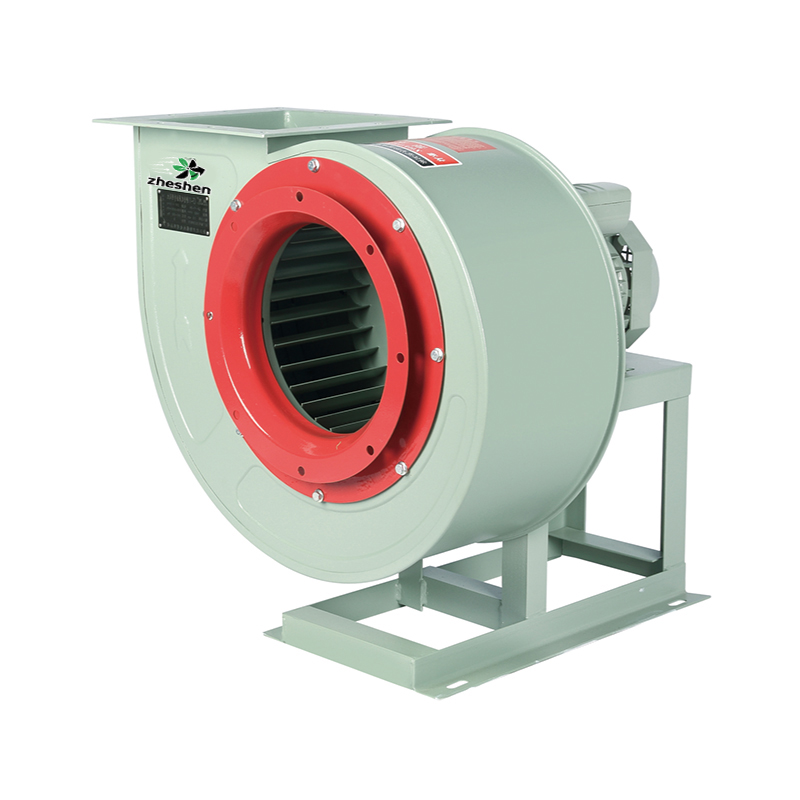
The Model CF-11 Low-Noise Multi-Blade Centrifugal Ventilator was designed and manufactured by our co...
+ VIEW MORE -
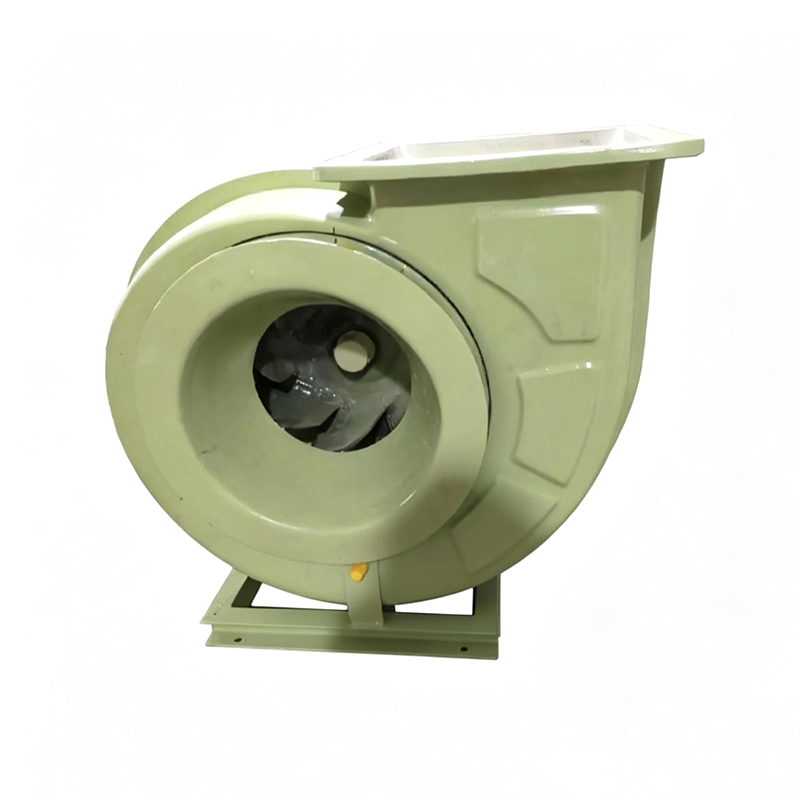
The Model 4-72 series plastic centrifugal ventilators manufactured by our factory are meticulously c...
+ VIEW MORE -
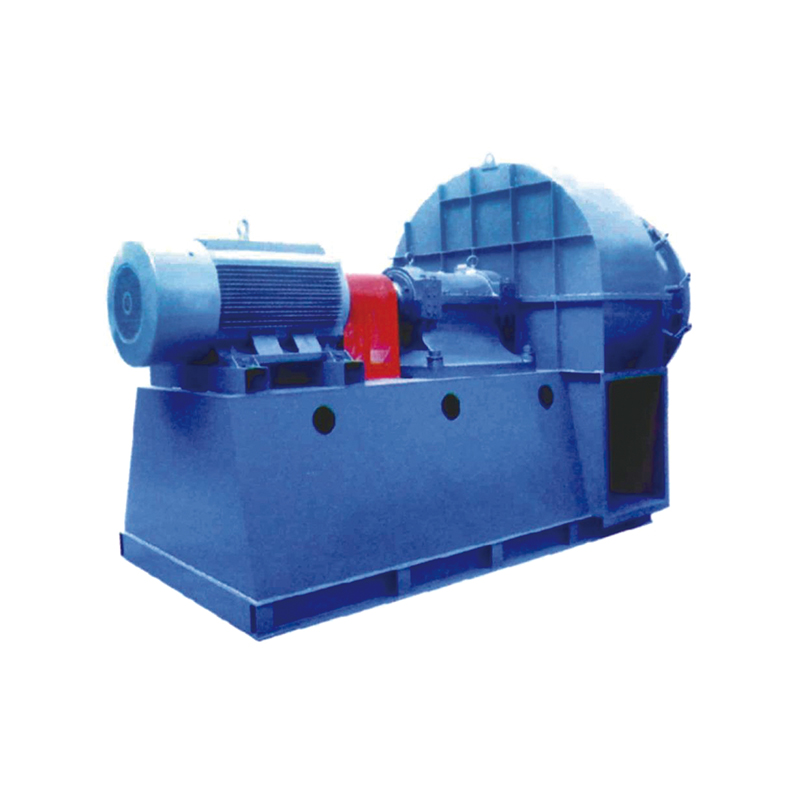
The G4-73 and Y4-73 series forced and induced draft fans are suitable for use in the draft systems o...
+ VIEW MORE -
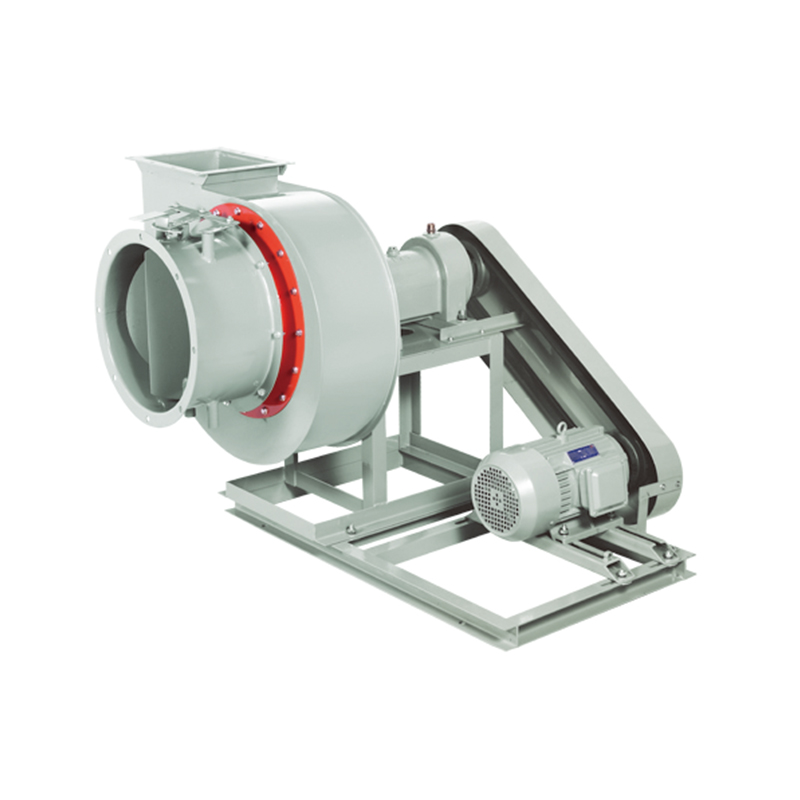
The Model Y5-47 boiler centrifugal induced-draft fan features low noise levels, a simple structure, ...
+ VIEW MORE -
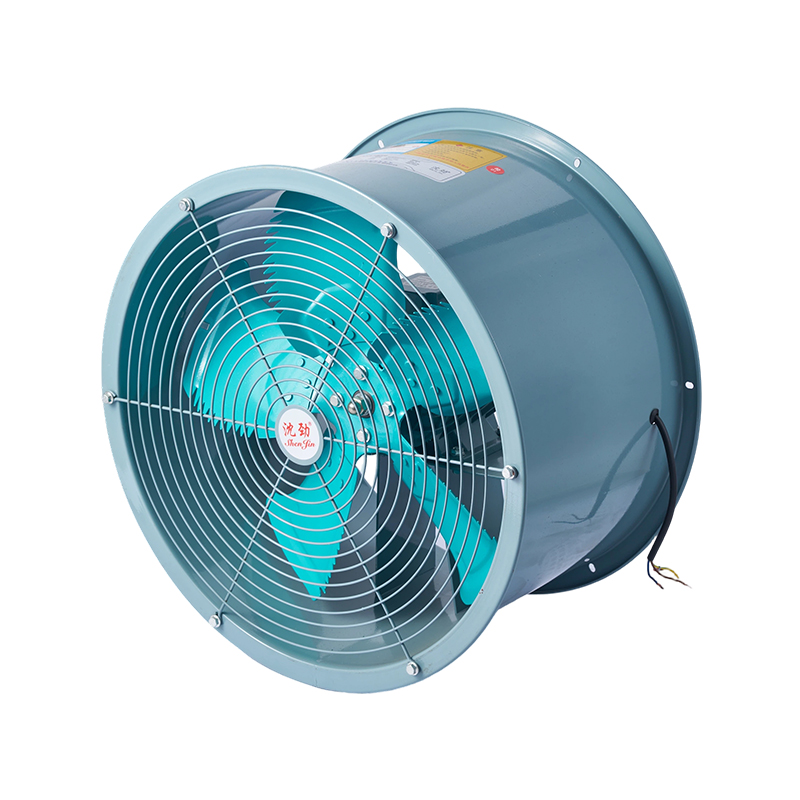
The SF series of high-airflow axial fans, designed specifically for kitchen applications, offers a s...
+ VIEW MORE
Do you have questions? Do not wait, Let's talk!
Products:
Contact Us
- Tel/Whatsapp:+86-13586259916
- Tel:+86-15825511111
- Email: [email protected]
- Add:Jin'ao Industrial Zone, Shanshi, Daxi Town, Wenling City, Zhejiang Province
Mobile
Copyright ©
Zhejiang Shenli Explosion proof Electromechanical Co., Ltd.
All rights reserved

