
 English
  中文简体
中文简体  Français
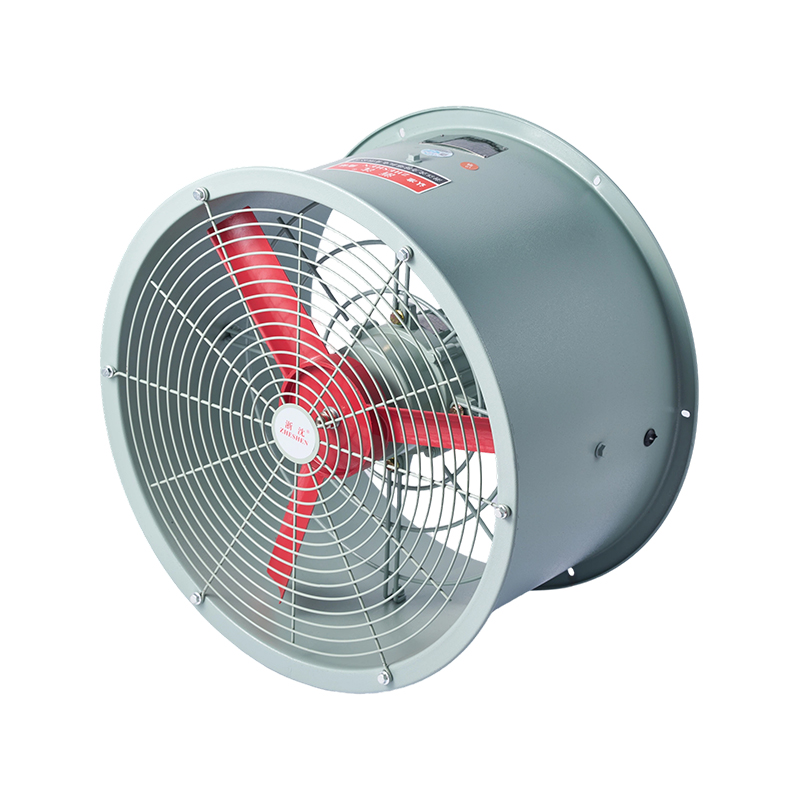
 The SF Series of axial-flow fans features smooth, streamlined surfaces, stable operation, high effic...
+ VIEW MORE
How to Choose an Explosion Proof Axial Fan for Industrial Needs
Deliver multiple validated explosion-proof fan solutions
Industrial ventilation is rarely a simple purchase decision. The working area may contain fumes, dust, heat, or other conditions that call for careful equipment selection. In that setting, the goal is not only to move air, but to keep the system aligned with the space, the process, and the daily operating routine.
A fan used in a controlled workshop can sometimes be chosen by habit. A fan used in a hazardous area needs a more careful path. The housing, motor layout, blade design, installation method, and maintenance access all matter because the equipment has to support stable operation in a place where risk control is part of the job.
For buyers, the key question is usually not whether airflow is needed. The question is how to match the fan with the actual space, the surrounding conditions, and the intended use. That is where the selection process becomes more practical. A clear review of the environment, application, structure, and technical needs can narrow the options and reduce guesswork.
What Is an Explosion Proof Axial Fan and How Does It Support Safe Industrial Ventilation
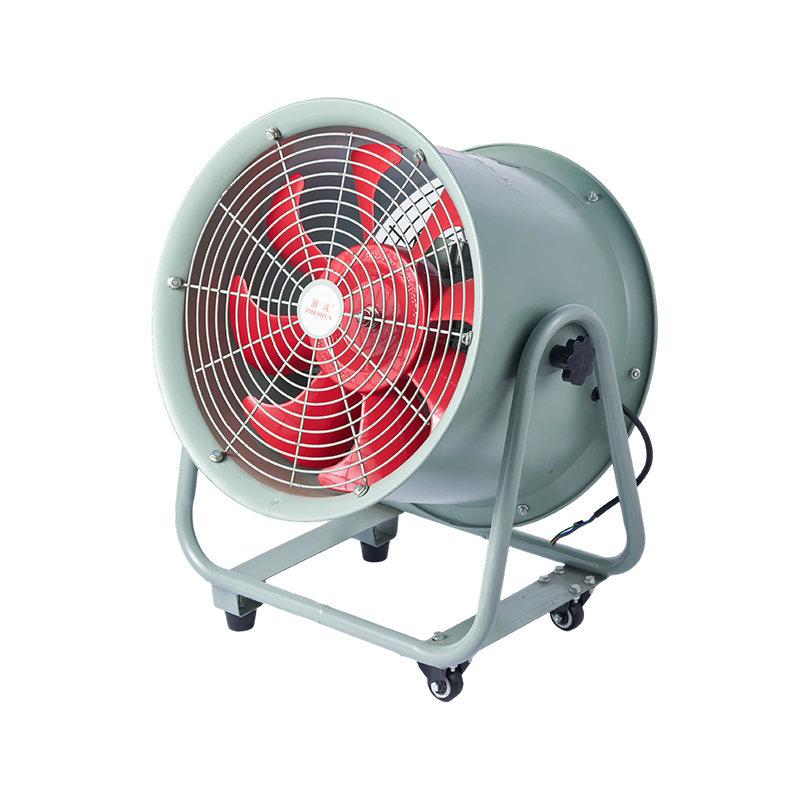
An Explosion Proof Axial Fan is built for work areas where safety requirements are more demanding than usual. It is designed for moving air through a space while reducing the chance that internal parts become a source of ignition. That makes it a common option in industrial zones where air movement and risk control need to work together.
In simple terms, it helps manage the air conditions around equipment, people, and stored materials. The unit can support ventilation in areas where heat, vapor, or flammable atmosphere may collect. It does not solve every safety issue on its own, but it can be part of a larger ventilation plan that helps the area stay more manageable.
A practical way to view this type of fan is by function:
- It moves air in a straight path through a space.
- It helps refresh stale air.
- It assists in reducing the buildup of unwanted gas or heat.
- It works as part of a wider ventilation layout rather than as a standalone solution.
For buyers, the useful point is that this is not a general-purpose fan with a different label. It is a piece of equipment intended for places where the operating environment needs extra attention.
Why Are Explosion Proof Axial Fans Used in Chemical Plants Oil Facilities and Storage Areas
These places often share one common issue: the air can carry materials that need careful handling. In a chemical plant, fumes and vapor may appear during storage, transfer, or processing. In oil-related facilities, ventilation often needs to support safety around enclosed or semi-enclosed areas. In storage zones, air movement can help reduce the chance of trapped gas or heat.
An Explosion Proof Axial Fan is often used in such places because it supports air exchange without turning the ventilation task into a separate safety concern. The fan fits environments where conditions may shift during the day and where airflow needs to respond to those changes.
There are also layout-related reasons:
- Some spaces are long and narrow, so air has to travel in a direct way.
- Some rooms need wall or duct placement to keep the floor area clear.
- Some storage zones need steady air movement rather than heavy pressure.
- Some process areas require ventilation that can be placed close to the source.
The choice is usually tied to the way the area is used, not just the label on the product. A fan that works well in one setting may not suit another if the air path, mounting point, or surrounding materials are different.
What Are the Differences Between Explosion Proof Axial Fans and Standard Axial Fans
At a glance, both types may look similar. They can share a round body, a blade assembly, and a basic air-moving structure. The difference becomes clearer when the work environment is considered.
A standard fan is built for general air movement. It may be useful in clean spaces, workshops, or simple circulation tasks. A unit designed for hazardous areas is shaped by a different priority. It is built with more care around ignition control, housing design, and internal protection.
| Buying point | Standard axial fan | Fan for hazardous areas |
|---|---|---|
| Work setting | General spaces | Areas with stricter safety needs |
| Internal design focus | Air movement | Air movement and safety control |
| Housing and parts | General use | Built with more protective detail |
| Purchase decision | Based on comfort or circulation | Based on environment and risk conditions |
| Maintenance view | Routine cleaning and checks | Routine checks with closer attention to safety |
This comparison helps buyers avoid treating both products as the same category. The decision is not only about airflow. It is also about whether the space calls for a unit that fits a more controlled operating condition.
For industrial users, that difference affects more than purchase cost. It also affects installation planning, inspection routines, and how the fan fits into the rest of the ventilation system.
What Parameters Should You Check Before Buying an Explosion Proof Axial Fan for Your Project
A purchase becomes easier when the project details are clear. Instead of starting with product images or catalog names, it helps to begin with the work area and the task the fan must support.
The main checks usually include the following:
- The size of the space and how air moves through it.
- The type of environment where the fan will run.
- The required installation position.
- The power supply available on site.
- The level of corrosion, dust, or moisture around the unit.
- The need for wall mounting, duct connection, or direct ventilation.
| Check item | What it tells the buyer |
|---|---|
| Space layout | Whether the air path is open or limited |
| Air demand | How much movement the area may need |
| Installation style | Whether the fan should be mounted, connected, or placed in line |
| Environmental condition | Whether the unit needs added resistance to dust, moisture, or corrosion |
| Power setup | Whether the site can support the required electrical arrangement |
| Maintenance access | Whether the fan can be inspected and cleaned without difficulty |
A buyer who reviews these points early can narrow the options with more confidence. That makes the discussion with a supplier more direct and helps reduce changes later in the project.
It also helps to think about the operating pattern. Some areas need steady use. Others need intermittent operation. A fan that suits one case may be less suitable in the other if the working pattern, layout, or cleaning schedule is different.
For industrial projects, a careful match between the equipment and the environment is usually more useful than a broad claim on a catalog page. The right choice is the one that fits the job, the site, and the way the space actually works.
How to Choose the Right Explosion Proof Axial Fan for Different Hazardous Working Environments
Different work areas place different demands on ventilation. A storage room, a processing line, and a confined industrial zone may all need air movement, but the conditions around them are rarely the same. That is why selection should begin with the environment, not with the product page.
A practical choice often starts by asking a few direct questions. Is the space open or enclosed? Does the air need to travel through a short route or a longer one? Is the unit likely to face dust, vapor, heat, or moisture? These details shape the final decision more than appearance or general claims.
| Working environment | What to pay attention to |
|---|---|
| Enclosed area | Air path, wall position, and circulation direction |
| Storage zone | Air exchange, placement, and clearance around goods |
| Processing area | Heat, vapor, and continuous operating need |
| Dusty space | Cleaning access and internal buildup control |
| Moist area | Housing protection and surface durability |
The same fan may not suit every site. A unit that fits a storage space may be less practical in a process area if the layout is tighter or the operating routine is different. For that reason, the environment should be matched with the fan design before the final choice is made.
A careful review of the space can also reduce later adjustments. When the site conditions are known in advance, the buyer can narrow the options and avoid a model that looks suitable on paper but feels difficult in daily use.
How Does an Explosion Proof Axial Fan Work With Different Ventilation Systems
Ventilation systems are often built around the shape of the space and the direction of air movement. In some projects, the fan supports direct exchange with the open air. In others, it works through a duct, a wall opening, or a connected route that carries air to another point.
The fit between the fan and the system matters because airflow does not behave the same way in every layout. A short path with little resistance needs a different approach from a longer route with turns or partial blockage. The fan should help the system move air in a stable way, rather than fight against the layout.
Some buyers focus only on the fan itself. In practice, the surrounding system is just as important. If the mounting point, air direction, and connection method are not planned well, the result may feel uneven even if the unit itself is suitable. That is why the ventilation design and the fan choice should be reviewed together.
For industrial use, the useful question is not simply whether the fan can run. The real point is whether it can work smoothly with the rest of the layout and support the intended air path without creating extra friction in operation.
How to Maintain an Explosion Proof Axial Fan and Improve Its Long Term Operation
Maintenance is easier when it is treated as a routine part of operation rather than as a response to a problem. A fan used in industrial space may face dust, residue, or changing conditions, so its condition should be checked regularly.
The core tasks are usually straightforward:
- Keep the housing and surrounding area clean.
- Check for loose mounting or visible wear.
- Observe noise, vibration, or uneven running.
- Make sure the air path is not blocked.
- Confirm that access points remain easy to reach.
These checks help the fan stay in a more stable working state. They also make it easier to notice small changes before they turn into larger service needs. In many cases, the issue is not a major failure. It is a slow buildup of dirt, imbalance, or restricted airflow.
A fan that is easy to inspect tends to be easier to manage over time. That is one reason maintenance access should be part of the buying decision. If a unit is difficult to reach, cleaning and inspection may be delayed, and that can affect day-to-day use.
An Explosion Proof Axial Fan usually serves in places where reliability matters in routine operation. That makes maintenance part of the purchase logic, not an afterthought.
Which Features Should You Consider When Selecting an Explosion Proof Axial Fan Manufacturer
Choosing a manufacturer is not only about product supply. It is also about whether the supplier can support the project with clear communication, stable production, and practical guidance.
A buyer may benefit from looking at several points:
- Whether the supplier asks about the site conditions before quoting.
- Whether the product details are clear and easy to compare.
- Whether customization requests can be handled in a structured way.
- Whether inspection, assembly, and packaging are handled with care.
- Whether technical support is available when the project needs it.
These points matter because industrial buyers often need more than a catalog item. They need a supplier who can understand the working environment, explain the product in plain language, and help match the unit with the job.
The process is usually more reliable when the manufacturer can speak about structure, use case, and installation without making the choice feel vague. That kind of support helps the buyer move from general interest to a practical decision.
For buyers comparing options, an Explosion Proof Axial Fan supplier should be judged by how well the supplier handles the full process, from questions at the beginning to support after delivery.
Related Product
-
-
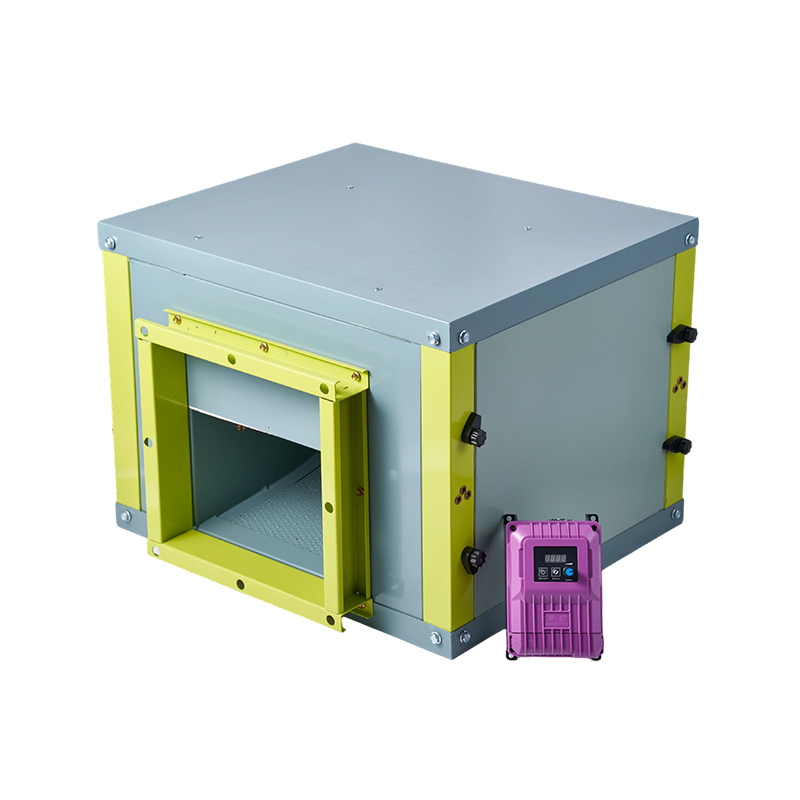
The air cabinet features a clean and elegant exterior design; all components of the cabinet body are...
+ VIEW MORE -
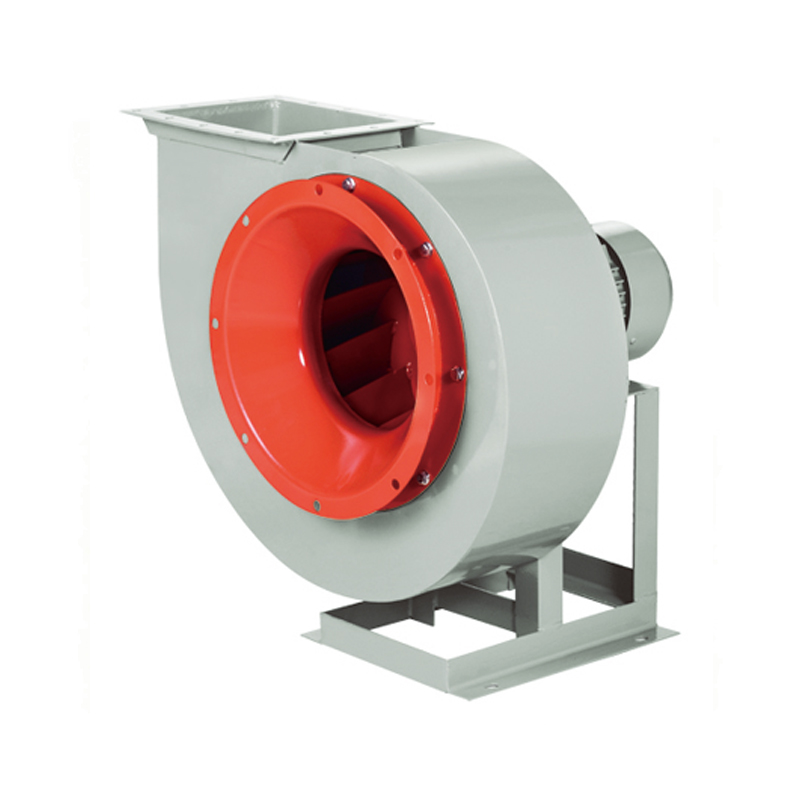
The Model 4-68 Centrifugal Ventilator is suitable for indoor ventilation and air exchange in general...
+ VIEW MORE -
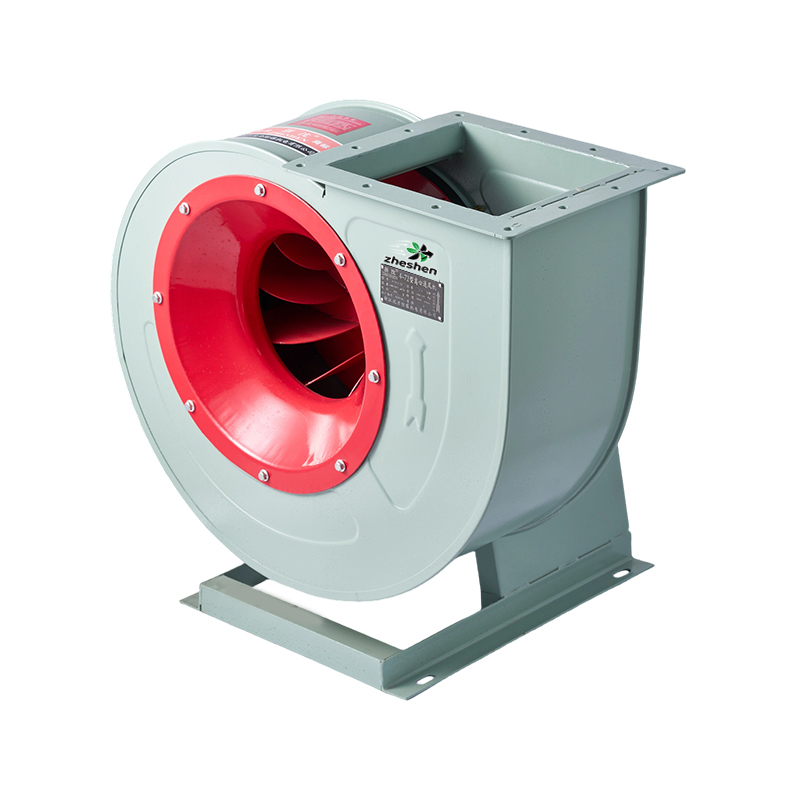
The Model 4-72 centrifugal ventilator is designed to convey air and other gases that are non-flammab...
+ VIEW MORE -
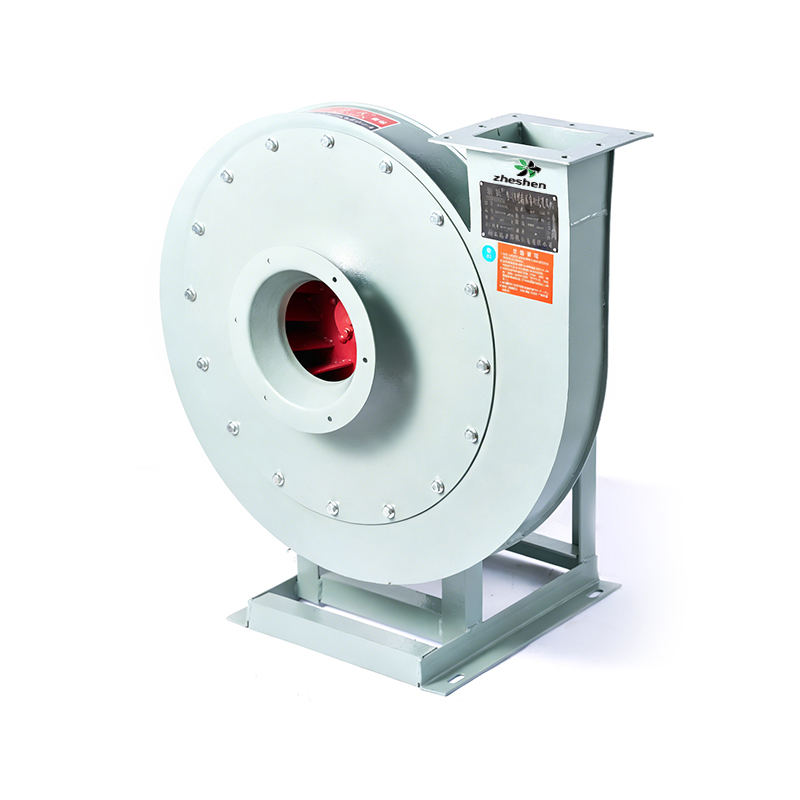
The Models 9-19 and 9-26 high-pressure centrifugal ventilators are widely utilized for conveying mat...
+ VIEW MORE -
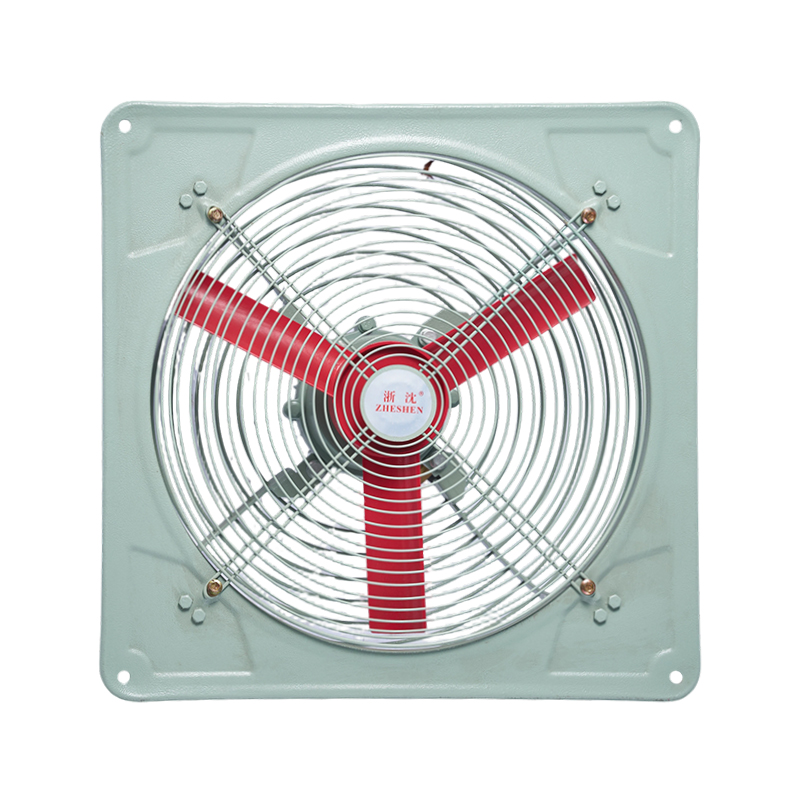
The BPS51 series explosion-proof exhaust fan is suitable for use in hazardous areas classified as Zo...
+ VIEW MORE
Do you have questions? Do not wait, Let's talk!
Products:
Contact Us
- Tel/Whatsapp:+86-13586259916
- Tel:+86-15825511111
- Email: [email protected]
- Add:Jin'ao Industrial Zone, Shanshi, Daxi Town, Wenling City, Zhejiang Province
Mobile
Copyright ©
Zhejiang Shenli Explosion proof Electromechanical Co., Ltd.
All rights reserved

