
 English
  中文简体
中文简体  Français
 The SF Series of axial-flow fans features smooth, streamlined surfaces, stable operation, high effic...
+ VIEW MORE
How Do Axial-flow Exhaust Fans Handle Hot Industrial Spaces
Deliver multiple validated explosion-proof fan solutions
Hot air is a common issue in enclosed industrial areas. Machinery, production equipment, lighting, and limited air movement can leave certain parts of a workspace noticeably warmer than others. Opening a door or window may help for a short time, but it does not always create a steady airflow path through the whole area.
That is where mechanical exhaust becomes useful. An exhaust unit can pull warm air away from the workspace and give incoming air a clearer route through the room. The actual result depends on the layout, the position of the heat source, the location of air inlets, and the route taken by the discharged air.
For hot industrial spaces, the fan should not be viewed separately from the surrounding ventilation arrangement. A unit may be running normally while the room still has stagnant areas. Looking at the complete airflow path usually gives a clearer picture of what is happening.
What Airflow Requirements Should Axial-flow Exhaust Fans Meet in Hot Spaces
A hot workshop does not necessarily need air moving at the same rate in every corner. In many cases, the bigger concern is where the warm air collects and whether it has a practical way out.
Consider a room with several pieces of heat-producing equipment. If the exhaust point is placed far from that area, warm air may remain around the equipment even though the fan is operating. The same problem can occur when shelving, partitions, or machinery interrupt the route between the air inlet and outlet.
The room layout is worth looking at before choosing an exhaust arrangement. Pay attention to:
- Areas where warm air tends to remain
- Locations of heat-producing equipment
- Existing windows, louvers, or other air inlets
- Obstacles between the inlet and exhaust point
- Whether air can enter as warm air leaves
A useful setup allows air to travel through the working area rather than taking a short route directly from the inlet to the outlet. This is especially relevant in larger rooms or spaces divided into several working zones.
| Workspace condition | Ventilation concern |
|---|---|
| Heat collects around equipment | Warm air may remain near the source |
| Partitions divide the room | Air may not reach every working area |
| Air inlets are limited | Exhaust flow can become restricted |
| Inlet and outlet are too close | Air may bypass the main workspace |
The purpose is not simply to create movement at the fan opening. The air needs to move through the area where heat is actually being produced.
How Does Heat Affect Axial-flow Exhaust Fan Airflow During Operation
Temperature changes the conditions under which a ventilation system operates. In a hot workspace, air near equipment can remain warm for long periods, particularly when the room has few openings or limited natural circulation.
The equipment itself is also exposed to the surrounding conditions. Motor components, bearings, wiring, and other parts operate in an environment that may remain warm during extended use. That makes the installation environment relevant when considering long operating periods.
There is another issue that is easy to overlook. A room can have noticeable air movement without removing heat from the area effectively. A person standing close to an exhaust outlet may feel air moving, while a corner farther away remains uncomfortable. Air movement alone does not tell the whole story.
The location of the heat source matters. If warm air naturally rises and gathers in an upper section, an exhaust opening placed at a suitable height can make better use of that movement. If the heat is concentrated around a particular machine, the airflow arrangement may need to account for that local condition.
For that reason, ventilation planning should start with the space itself. Fan operation comes after the airflow route has been considered.
How Do Fan Speed and Blade Design Affect Airflow in Hot Workspaces
Fan speed is only one part of the airflow picture. Turning a unit faster may change the amount of air being moved, but it cannot remove a restriction somewhere else in the system.
Blade design also plays a role. The blades determine how air is drawn in and directed toward the discharge side. A change in blade condition can alter the way the unit operates, even when the motor continues to run.
In a hot workspace, the practical concern is whether air from the heated area actually reaches the outlet. If the airflow path is blocked, changing fan speed may do little to improve the room itself.
Dust is another everyday consideration. In manufacturing areas, particles can gradually settle on accessible surfaces and blades. Over time, that buildup may affect the condition of the rotating assembly and change its operating behavior.
A simple visual check can reveal issues such as:
- Dust buildup on the blades
- Damage or deformation around the rotating parts
- Loose mounting components
- Changes in normal rotation
- New vibration during operation
These conditions are easier to address when noticed early rather than after airflow has already become noticeably weaker.
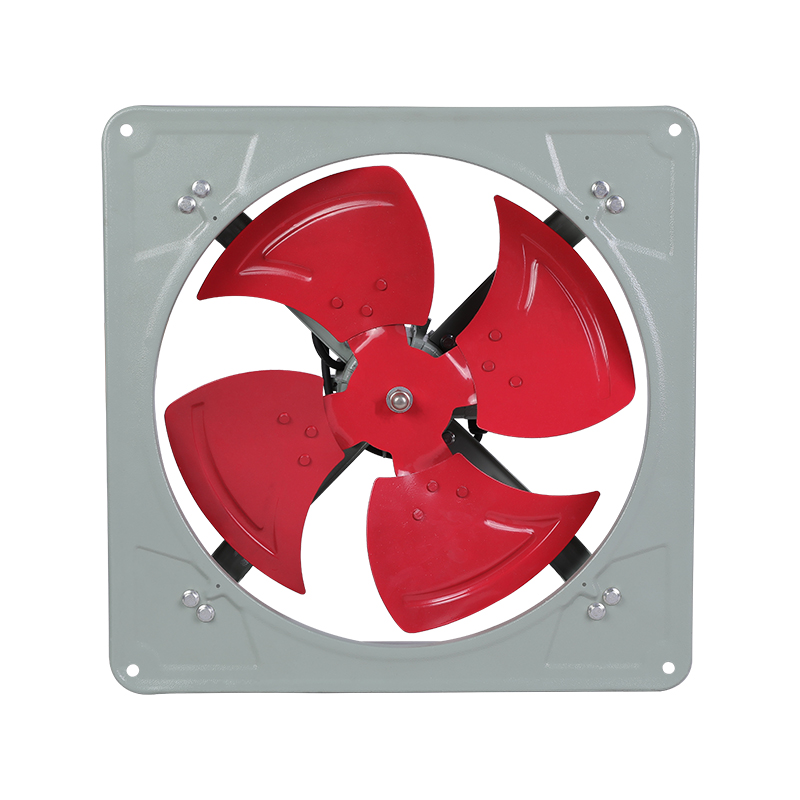
Where Should Axial-flow Exhaust Fans Be Installed in Hot Industrial Areas
There is no single installation position that suits every industrial room. The right location depends heavily on the building layout and where warm air tends to collect.
An exhaust opening needs a reasonable source of replacement air. If the room is tightly enclosed, the fan may have difficulty moving air simply because very little fresh air can enter. Opening an inlet on the opposite side of the room can create a more useful path.
Heat-producing equipment deserves particular attention. In some spaces, warm air is spread across the room. In others, one machine or work area creates a concentrated heat zone. An exhaust point that reflects that pattern can make the ventilation arrangement easier to manage.
The discharge side also needs attention. Air should have somewhere to go after leaving the building. If the outlet is close to another opening, discharged air may return indoors, especially when outdoor airflow conditions change.
Installation planning can include:
- Checking the position of heat sources
- Keeping the airflow route reasonably open
- Providing suitable air inlets
- Avoiding unnecessary obstructions near the fan
- Checking where discharged air will travel outdoors
A fan mounted in a convenient location is not necessarily a fan mounted in an effective location. The surrounding airflow route matters just as much.
How Does Duct Length Affect Airflow in Hot Industrial Ventilation Systems
Once a fan is connected to a duct, the duct becomes part of the ventilation system. Air no longer moves directly from the room to the outside. It has to travel through the selected route, and that route can make a noticeable difference.
A long duct with several changes in direction gives air more resistance than a short, direct path. Narrow sections can create another restriction. Connections that do not fit properly may also interfere with the intended airflow.
This becomes particularly relevant when an exhaust outlet cannot be installed directly through an exterior wall. A duct may be necessary, but its route should be considered before the system is put into regular use.
| Duct condition | Possible effect |
|---|---|
| Short, direct route | Air has fewer restrictions |
| Long route | More resistance along the airflow path |
| Several bends | Airflow becomes less direct |
| Narrow sections | Movement may become restricted |
| Poor connections | Air can escape or become disturbed |
The fan and duct should be treated as one arrangement. Choosing the equipment without considering the route afterward can leave the system with a mismatch between the intended airflow and the actual result.
In hot areas, this can be noticeable because warm air may remain in the room even while the fan appears to be operating normally.
Why Do Axial-flow Exhaust Fans Sometimes Move Less Air in Hot Environments
When exhaust performance changes, the fan itself is not always the source of the problem. Sometimes the surrounding conditions have changed.
A blocked inlet is one possibility. A dirty blade is another. Duct restrictions, changes to the room layout, or a newly installed partition can also alter the airflow route.
Mechanical condition is worth checking when the change happens suddenly. Unusual vibration, irregular rotation, damaged blades, or loose mounting parts can point toward an equipment issue.
For a gradual reduction in airflow, start with the simple things. Look at the inlet and outlet. Check whether anything has been placed in front of them. Inspect accessible blades and grilles. If a duct is present, look for visible blockage or damage.
The distinction between a fan problem and a system problem is important. Replacing the unit will not necessarily solve a restriction elsewhere in the ventilation route.
In some industrial spaces, the working environment changes over time. Equipment gets moved, partitions are added, and storage areas expand. A ventilation arrangement that worked under the original layout may behave differently after those changes.
How Can Axial-flow Exhaust Fans Be Maintained in Hot Industrial Spaces
Maintenance in a hot workspace is not limited to cleaning the fan. The condition of the surrounding airflow route deserves attention as well.
Dust and residue can accumulate around grilles, blades, and nearby surfaces. How quickly this happens depends on the working environment. Areas with heavier airborne particles naturally require closer attention than cleaner spaces.
During inspection, unusual sounds or vibration should not be ignored. A change from the normal operating condition may indicate that something has become loose or that a moving part needs attention.
A practical maintenance routine can include:
- Cleaning accessible blades and protective grilles
- Checking mounting points for looseness
- Looking for visible blade damage
- Keeping air inlets clear
- Checking duct openings for blockage
- Watching for changes in sound or vibration
Before physical inspection or cleaning, the equipment should be safely isolated from its power source. Access also needs to be suitable for the installation location, particularly when the fan is mounted high on a wall.
Regular checks make it easier to spot gradual changes. A small amount of dust or a slightly loose component may be easier to deal with than a ventilation problem that has been allowed to develop unnoticed.
When Should Axial-flow Exhaust Fan Ventilation Systems Be Resized
A ventilation system may need to be reviewed when the workspace itself changes. The fan may not have become faulty; the conditions around it may simply be different from when the system was installed.
Adding heat-producing equipment is one example. Moving machinery closer to a wall, installing a partition, extending a work area, or changing the duct route can all alter how air travels through the space.
Persistent warm areas are another reason to take a closer look. If one part of the room remains noticeably hotter despite normal fan operation, the issue may lie in the airflow arrangement rather than the exhaust unit alone.
Before changing equipment, examine the complete route:
Heat source → room airflow → air inlet → exhaust position → duct route → outdoor discharge
That sequence helps identify where the restriction may be occurring. Sometimes moving an inlet or clearing an obstruction is enough. In other situations, the existing ventilation arrangement may no longer match the space.
Resizing is therefore less about replacing a fan simply because conditions have changed and more about matching the ventilation setup to the way the workspace is being used.
Related Product
-
-
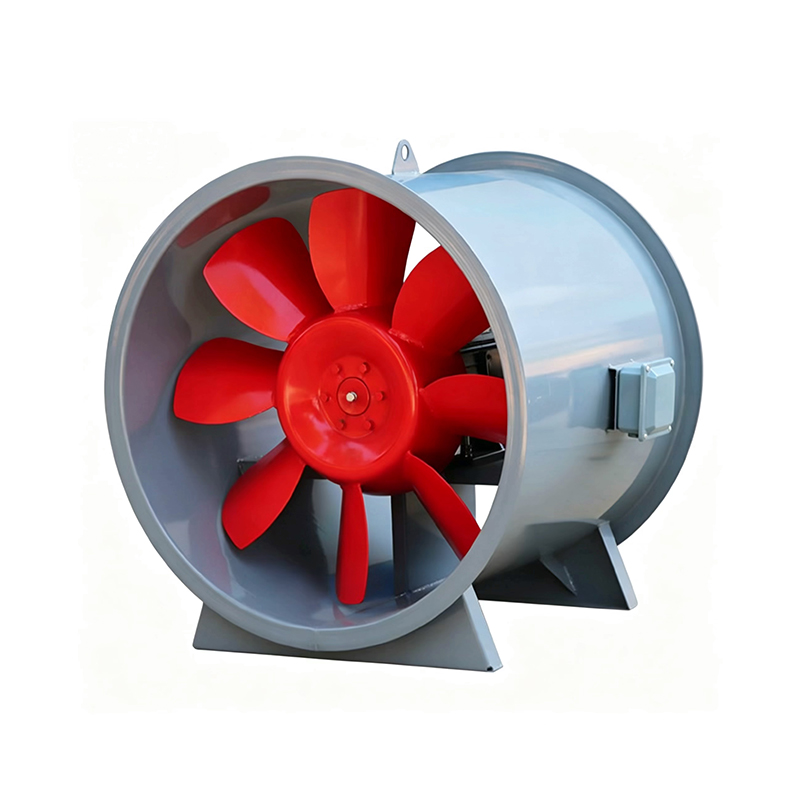
The SWF-I mixed-flow ventilator is a novel type of fan that bridges the gap between axial-flow and c...
+ VIEW MORE -
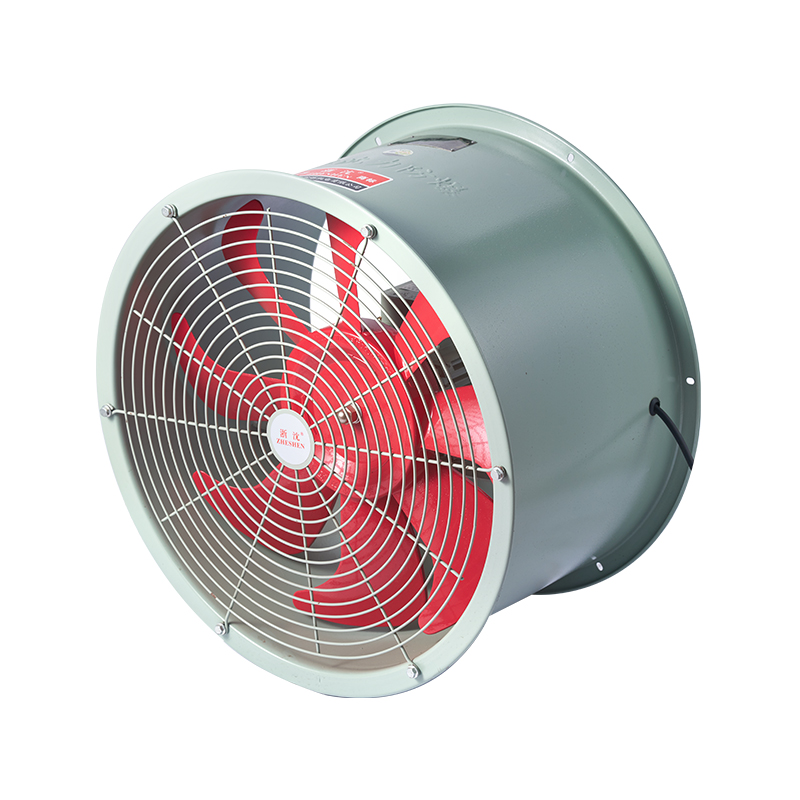
The T35-11, BT35, and FT35 series permanent magnet variable-frequency axial-flow fans serve as repla...
+ VIEW MORE -
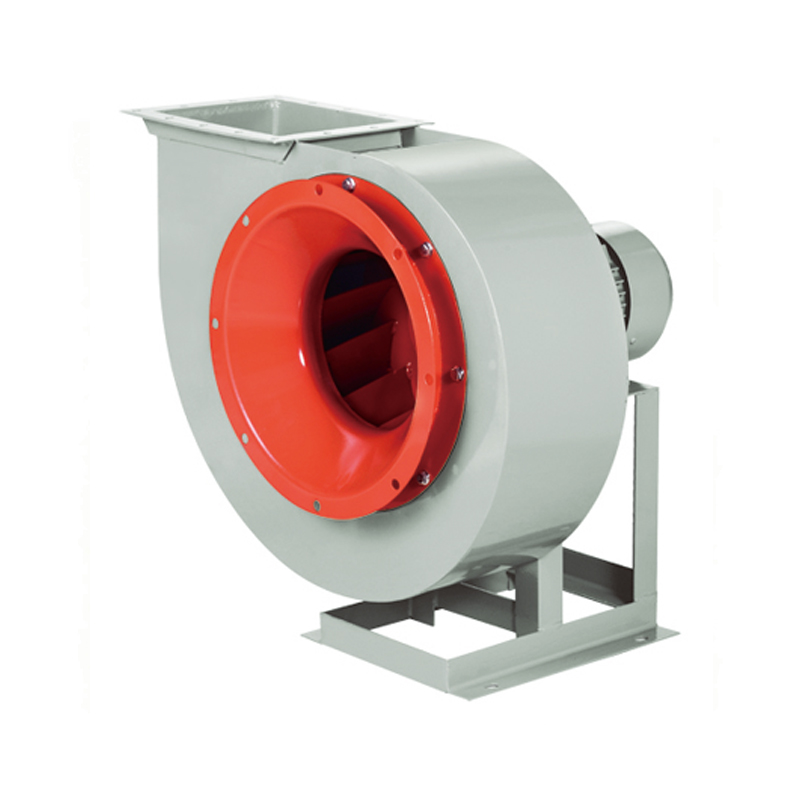
The Model 4-68 Centrifugal Ventilator is suitable for indoor ventilation and air exchange in general...
+ VIEW MORE -
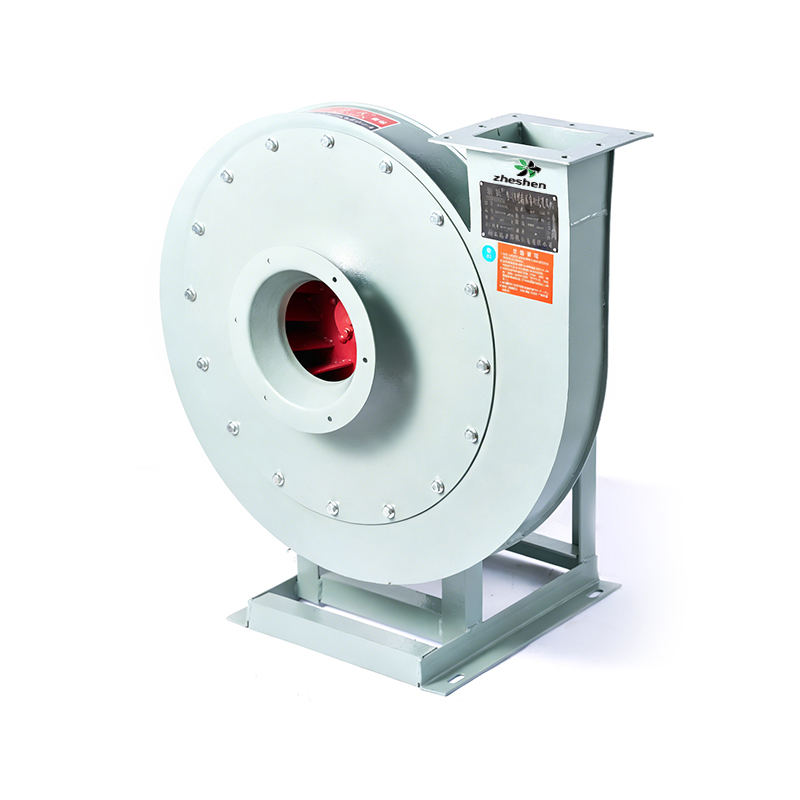
The Models 9-19 and 9-26 high-pressure centrifugal ventilators are widely utilized for conveying mat...
+ VIEW MORE -
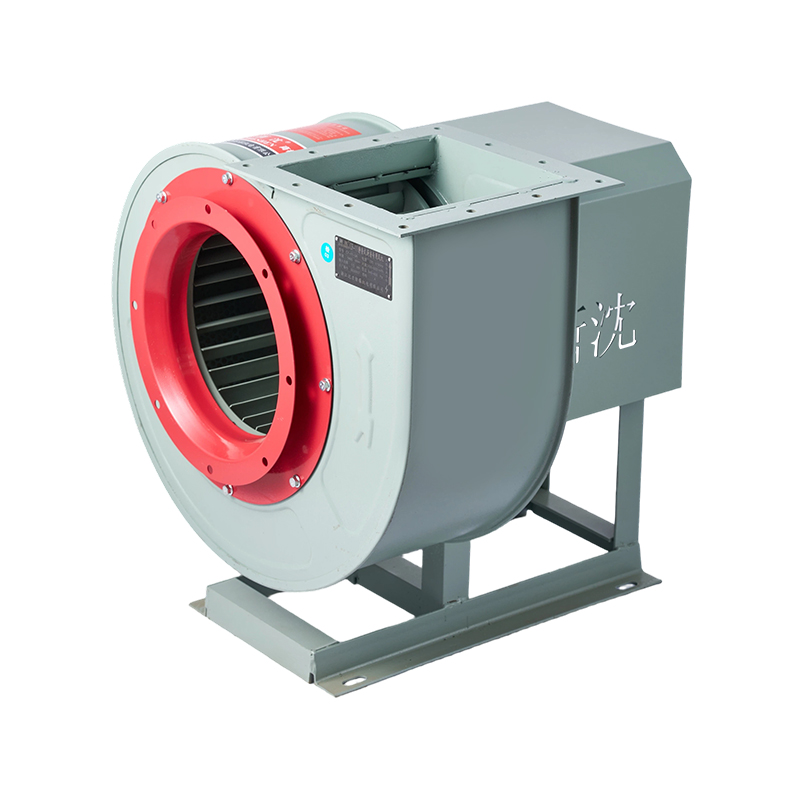
The Model 11-62A Low-Noise Multi-Blade Centrifugal Ventilator is designed and manufactured to meet t...
+ VIEW MORE
Do you have questions? Do not wait, Let's talk!
Products:
Contact Us
- Tel/Whatsapp:+86-13586259916
- Tel:+86-15825511111
- Email: [email protected]
- Add:Jin'ao Industrial Zone, Shanshi, Daxi Town, Wenling City, Zhejiang Province
Mobile
Copyright ©
Zhejiang Shenli Explosion proof Electromechanical Co., Ltd.
All rights reserved

