
 English
  中文简体
中文简体  Français
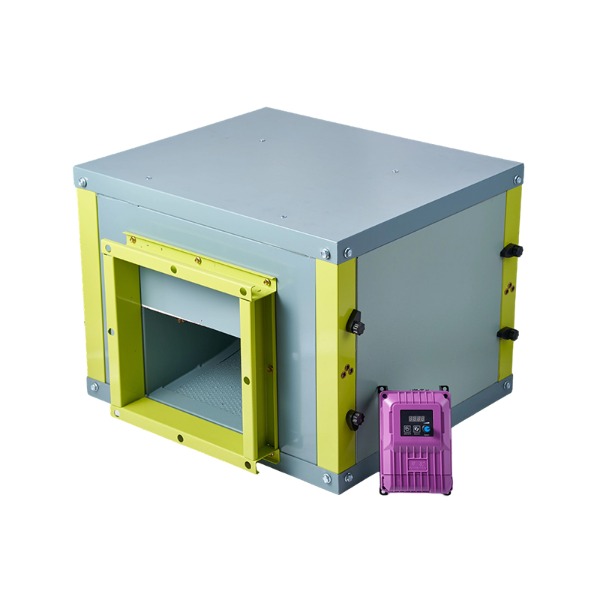
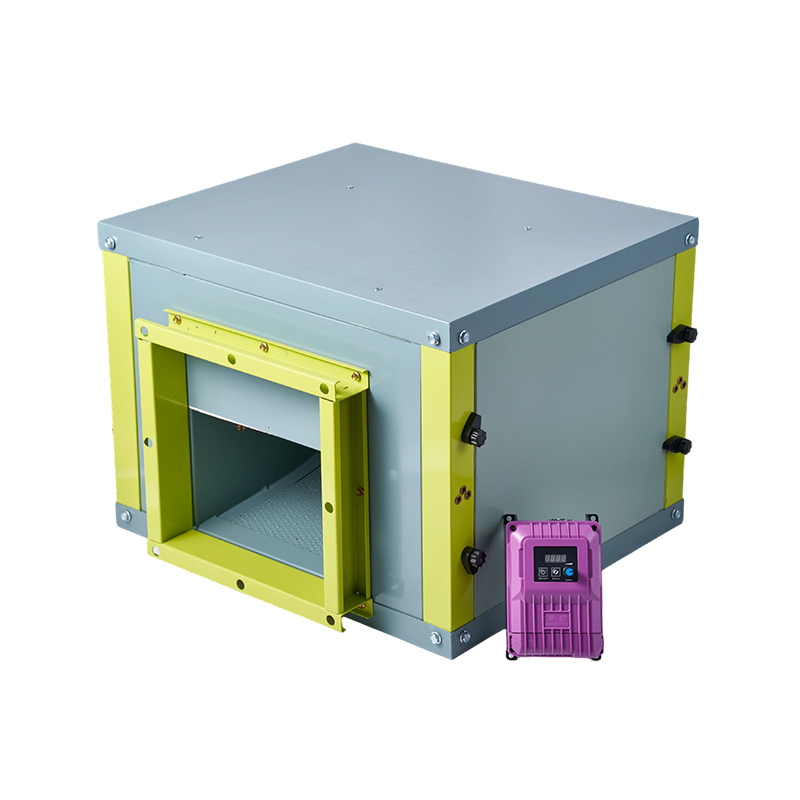
 The air cabinet features a clean and elegant exterior design; all components of the cabinet body are...
+ VIEW MORE
How Does a Cabinet Centrifugal Fan Work With Duct Design
Deliver multiple validated explosion-proof fan solutions
Air movement in a ventilation system depends on more than the fan itself. The way air enters the equipment, travels through ducts, passes around bends, and reaches the outlet can all affect how the system operates. For this reason, fan selection and duct design are usually considered together rather than treated as separate tasks.
A Cabinet Centrifugal Fan is commonly integrated into ventilation equipment where air needs to be moved through a defined path. Its operating conditions are closely connected with the shape, length, and arrangement of the ductwork around it. A suitable arrangement allows the airflow path to remain consistent with the intended ventilation requirements, while an unsuitable layout can create unnecessary resistance or make installation more difficult.
Duct design also involves practical considerations such as available space, connection direction, filters, dampers, and access for routine inspection. Looking at these factors together provides a clearer basis for planning a ventilation system.
What Makes Duct Design Important for Fan Selection
A ventilation fan does not operate in isolation. Once connected to ductwork, its working conditions are influenced by the route that air needs to follow. The duct determines how air travels from the inlet toward the outlet, while the fan provides the force needed to move that air through the system.
This relationship makes duct planning an important part of equipment selection. A compact duct with a short and direct route may create different operating conditions from a system with several bends, changes in direction, or long sections of ductwork.
Before selecting equipment, it is useful to consider:
- Where air enters the system
- Where air needs to be discharged
- How the duct will be routed
- Whether the system contains filters or dampers
- How much installation space is available
- Whether maintenance access can be retained
The physical arrangement matters as much as the nominal size of the equipment. A fan that fits within a planned space may still require changes to the surrounding ductwork if the connection direction or airflow path does not match the system layout.
This is why fan selection is better approached as part of the complete ventilation arrangement. The goal is to establish a compatible relationship between the air-moving equipment and the path through which air will travel.
How Does Duct Length Affect Airflow Requirements
Duct length is one of the basic factors to consider when planning an air movement system. As air travels through a longer route, contact with the duct walls and changes along the pathway can increase resistance. The effect becomes more relevant when the system also contains multiple fittings or other components.
A short route can allow a relatively direct airflow path, while a longer route requires greater attention to the relationship between the fan and the duct. This does not mean that long ducts are unsuitable. Instead, the equipment needs to be selected with the actual route in mind.
For example, a ventilation arrangement may have the fan positioned some distance from the final discharge point. In this case, the duct length becomes part of the operating conditions rather than simply an installation detail.
| Duct consideration | Possible design effect |
|---|---|
| Shorter route | More direct airflow path |
| Longer route | Greater attention to air resistance |
| Multiple sections | More connection points to consider |
| Changes in direction | Additional planning around airflow |
| Different duct sizes | Careful matching between sections |
The intended airflow should therefore be considered together with the complete duct route. Looking only at the fan while ignoring the distance that air must travel can result in a system arrangement that does not reflect actual operating conditions.
How Do Bends and Transitions Influence Air Resistance
Ducts rarely follow a completely straight path. Space restrictions, equipment positions, building structures, and other installation requirements can require changes in direction. Bends and transitions then become part of the airflow path.
A bend changes the direction of moving air. A transition changes the shape or size of the passage. Both can influence how smoothly air travels through the system. The number, position, and arrangement of these sections should therefore be considered when planning the connection between the fan and the rest of the ductwork.
Poorly coordinated transitions can also make installation more complicated. If adjacent sections do not align naturally, additional fittings may be required. This can increase the number of connections and make the system harder to inspect.
A practical approach is to keep the airflow route as coherent as possible while working within the available installation space. This does not require every duct to follow a straight line. It means that changes in direction and size should have a clear purpose within the overall layout.
When a Cabinet Centrifugal Fan is connected to a duct system with several changes in direction, these sections should be considered during the equipment selection stage rather than added later as an afterthought.
How Should Airflow Requirements Guide Fan Selection
Airflow requirements provide a starting point for matching ventilation equipment with the intended application. Different systems may need to move different amounts of air depending on the equipment being ventilated, the size of the space, and the purpose of the ventilation arrangement.
The required airflow should be considered together with the route that air must travel. A fan connected to a simple discharge path operates under different conditions from one connected to a long duct system containing several components.
This creates a useful distinction between the airflow requirement itself and the conditions under which that airflow needs to be delivered.
When planning the selection, attention can be given to:
- The required air movement for the application
- The length and arrangement of the duct
- The resistance created by fittings and components
- The available installation space
- The intended operating pattern
- The connection arrangement
The fan should therefore be considered as one part of the system rather than as an isolated component. A Cabinet Centrifugal Fan needs to correspond with both the desired airflow and the conditions created by the connected ductwork.
This approach can also make later installation work more straightforward because the equipment, connections, and duct route have already been considered as related elements.
Where Should a Cabinet Centrifugal Fan Be Positioned
The position of the fan can influence how the surrounding ductwork is arranged. In some systems, the equipment may be installed close to the air inlet. In others, its position may be determined by available space, access requirements, or the location of other ventilation components.
Positioning should begin with the intended airflow route. The inlet and outlet sides need to connect naturally with the planned ductwork. At the same time, sufficient space should remain around the equipment for inspection and routine servicing.
The surrounding environment also matters. Equipment may need to share space with electrical components, filters, dampers, structural supports, or other parts of a ventilation unit. A crowded arrangement can make future access more difficult.
A sensible layout considers three things together:
- Airflow direction
- Duct connection
- Service access
The fan position should not be selected solely according to the empty space available. A location that works physically but creates an awkward airflow route may require additional duct sections and connections. Considering the complete arrangement at the planning stage can reduce unnecessary changes during installation.
How Do Inlet and Outlet Connections Affect Airflow
The connection between the fan and ductwork forms an important part of the airflow path. Air needs to enter the equipment and leave it through clearly planned routes. Connection direction, duct alignment, and the transition between different sections can all affect the way the system is arranged.
An inlet connection should provide a practical route for incoming air, while the outlet should align with the direction in which air needs to travel. If the two sides require sudden changes in direction, the surrounding ductwork may become more complicated.
Connection planning is also relevant when equipment needs to be replaced or inspected. Accessible connections can make routine work easier, particularly when the fan forms part of a larger ventilation unit.
| Connection area | Design consideration |
|---|---|
| Inlet | Direction of incoming air |
| Outlet | Route toward the discharge point |
| Duct alignment | Continuity between connected sections |
| Transition | Change between different duct shapes or sizes |
| Access | Space for inspection and servicing |
For systems using a Cabinet Centrifugal Fan, these connection details should be considered alongside the main duct layout. The objective is to maintain a clear airflow route while keeping the physical arrangement practical for installation.
How Should Filters and Dampers Be Considered in Duct Design
Filters and dampers can form part of many ventilation arrangements. Although they serve different purposes, both occupy space within the airflow path and therefore need to be considered during duct planning.
A filter may be used to remove unwanted particles from moving air. As it collects material during operation, the airflow conditions around it can change. This makes filter placement and access relevant to ongoing equipment operation.
A damper, meanwhile, can be used to regulate or isolate part of an air path. Its location can affect how the duct is divided and how access is provided for adjustment or inspection.
The position of these components should therefore be planned before the duct route is finalized. There should be enough space for installation and routine access without creating unnecessary bends or difficult connection points.
When a Cabinet Centrifugal Fan works with filters or dampers, the resistance created by these components should be included when considering the overall system requirements. Treating each component as an independent item can overlook the way they interact within the same airflow path.
Good duct planning keeps the fan, filters, dampers, and connecting sections within one coherent arrangement.
How Can Fan and Duct Design Be Coordinated
Fan and duct design work together because the fan provides the air movement while the duct establishes the route through which that air travels. Neither element should be planned without considering the conditions created by the other.
A coordinated approach starts with the intended airflow requirement. The duct route can then be considered in terms of length, bends, transitions, connections, and additional components. The fan position can be selected around this route, while installation and maintenance requirements remain part of the layout.
The following sequence provides a practical way to organize the design process:
- Define the intended airflow requirement
- Map the inlet and discharge routes
- Consider duct length and direction changes
- Account for filters, dampers, and other components
- Select equipment according to the complete operating arrangement
- Check connection points and installation space
- Retain suitable access for inspection and maintenance
This coordination is particularly relevant when ventilation equipment must fit within a restricted space. A change in one part of the system can influence other parts, so adjustments are easier to manage when the complete airflow route is considered from the beginning.
The relationship between a Cabinet Centrifugal Fan and duct design is therefore primarily a matter of system coordination. Airflow requirements, duct arrangement, equipment position, connections, and supporting components all contribute to how the ventilation system is configured. Considering these elements together provides a practical basis for developing an airflow route that fits the intended application and installation conditions.
Related Product
-
-
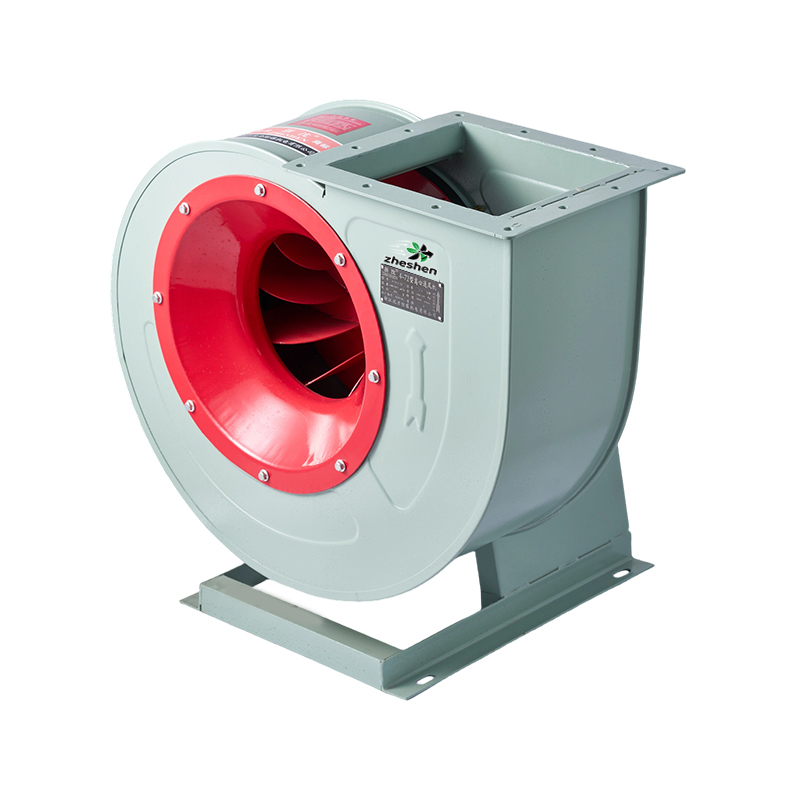
The Model 4-72 centrifugal ventilator is designed to convey air and other gases that are non-flammab...
+ VIEW MORE -
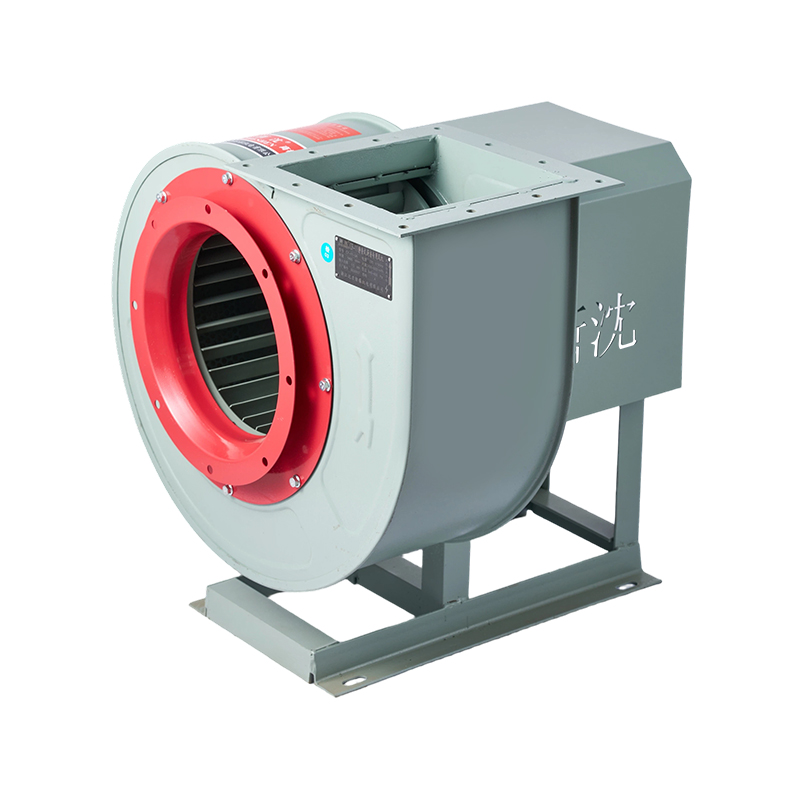
The Model 11-62A Low-Noise Multi-Blade Centrifugal Ventilator is designed and manufactured to meet t...
+ VIEW MORE -
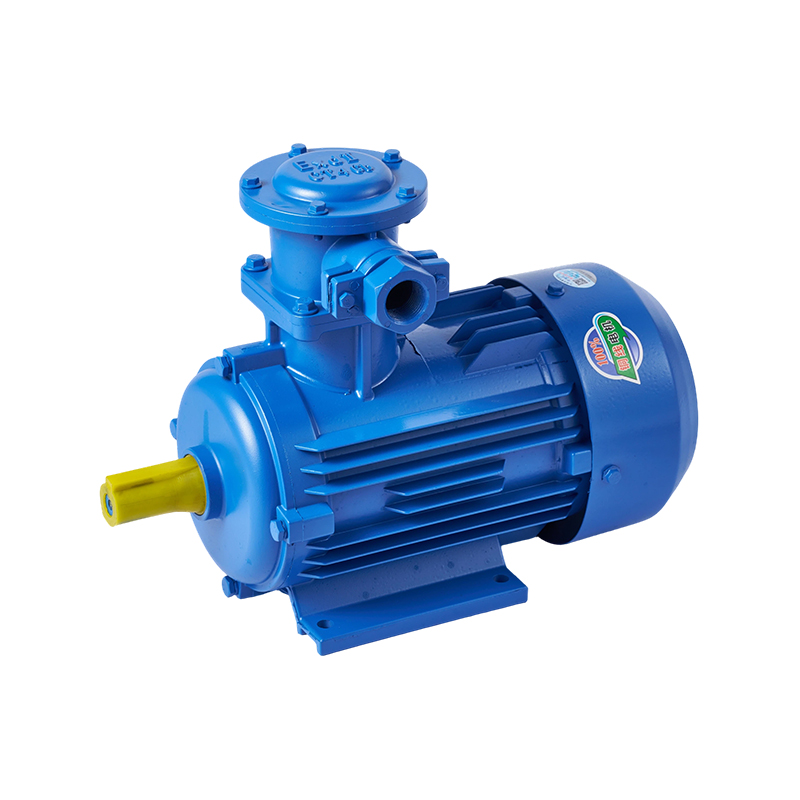
The YBX3 series of high-efficiency, flameproof, three-phase asynchronous motors is a fully enclosed,...
+ VIEW MORE -
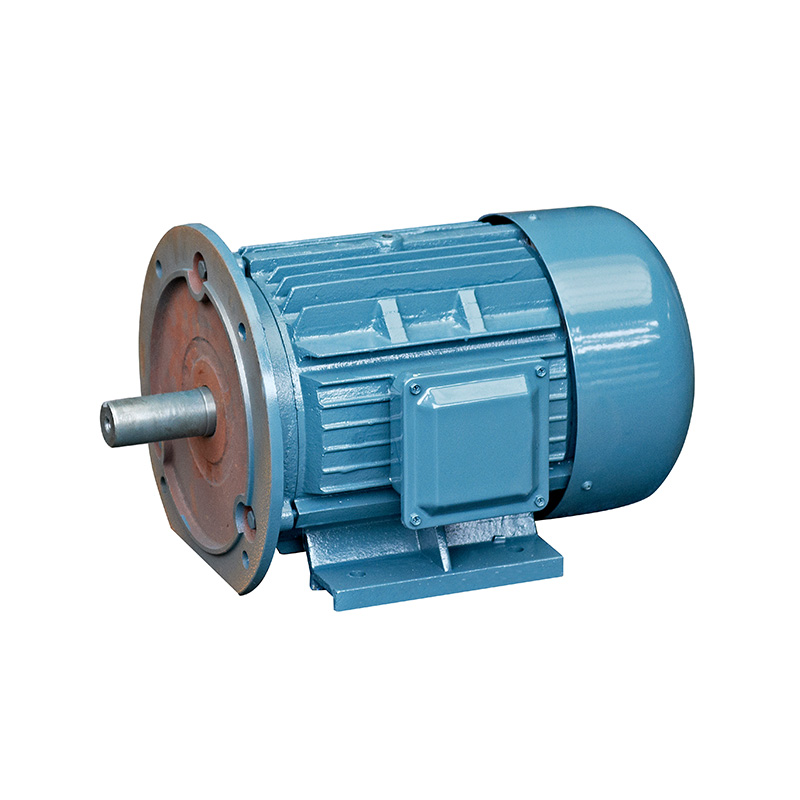
The YE4 series of ultra-high-efficiency three-phase asynchronous motors is a new, upgraded, and high...
+ VIEW MORE -
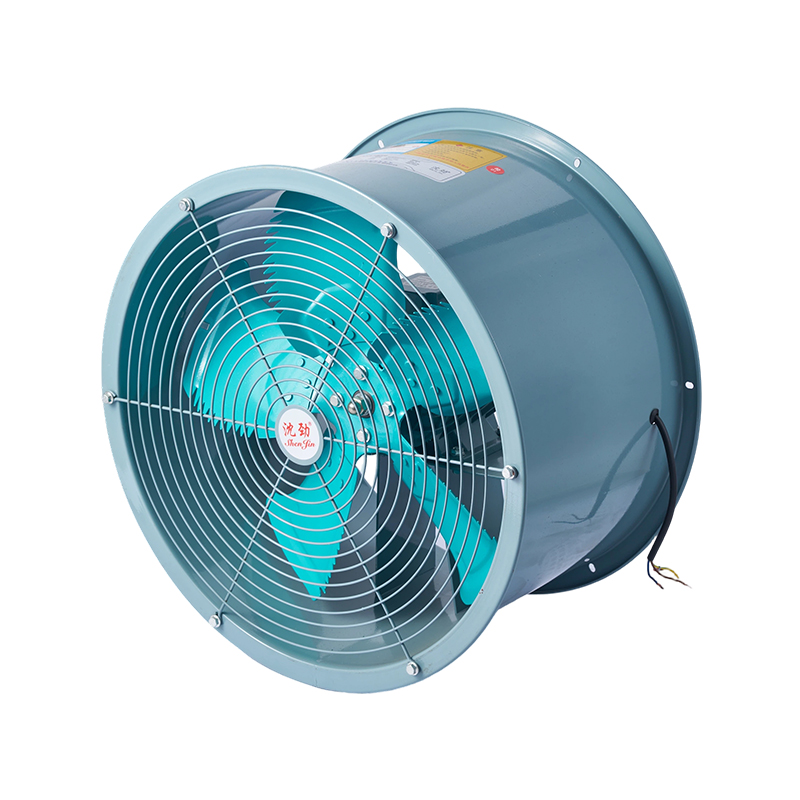
The SF series of high-airflow axial fans, designed specifically for kitchen applications, offers a s...
+ VIEW MORE
Do you have questions? Do not wait, Let's talk!
Products:
Contact Us
- Tel/Whatsapp:+86-13586259916
- Tel:+86-15825511111
- Email: [email protected]
- Add:Jin'ao Industrial Zone, Shanshi, Daxi Town, Wenling City, Zhejiang Province
Mobile
Copyright ©
Zhejiang Shenli Explosion proof Electromechanical Co., Ltd.
All rights reserved

