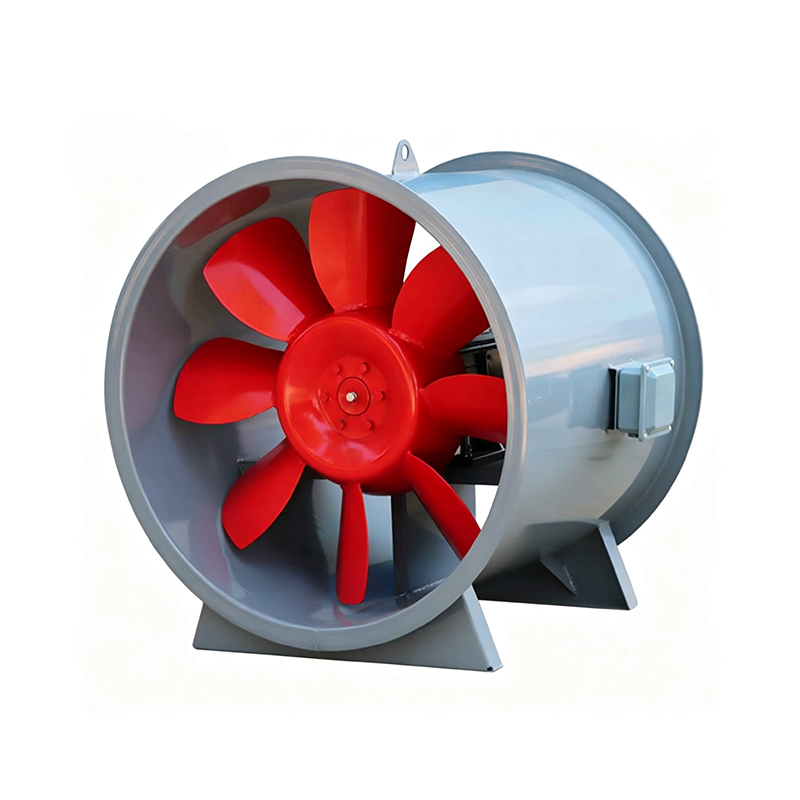
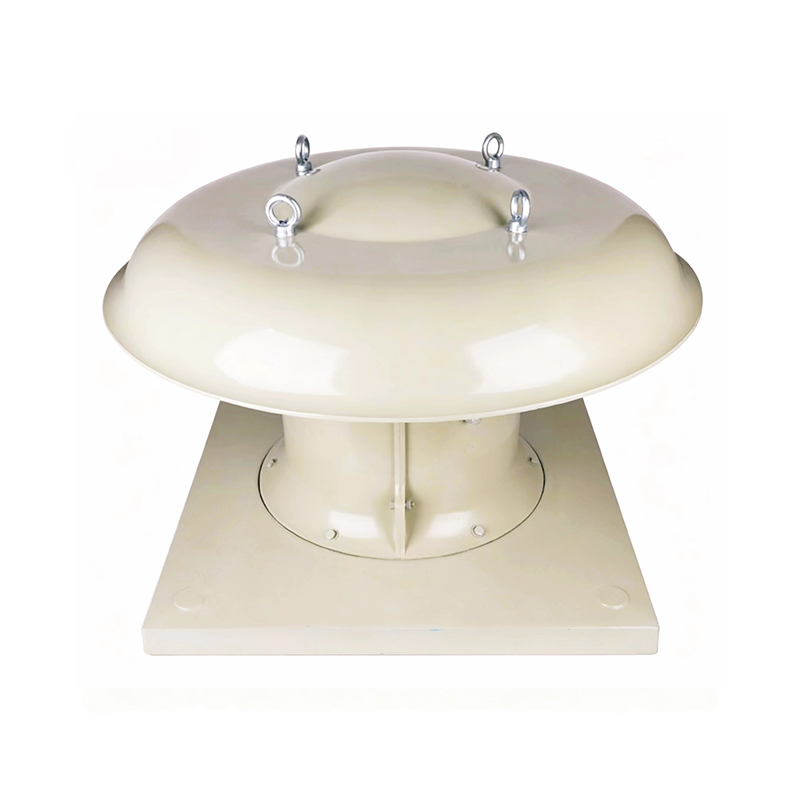
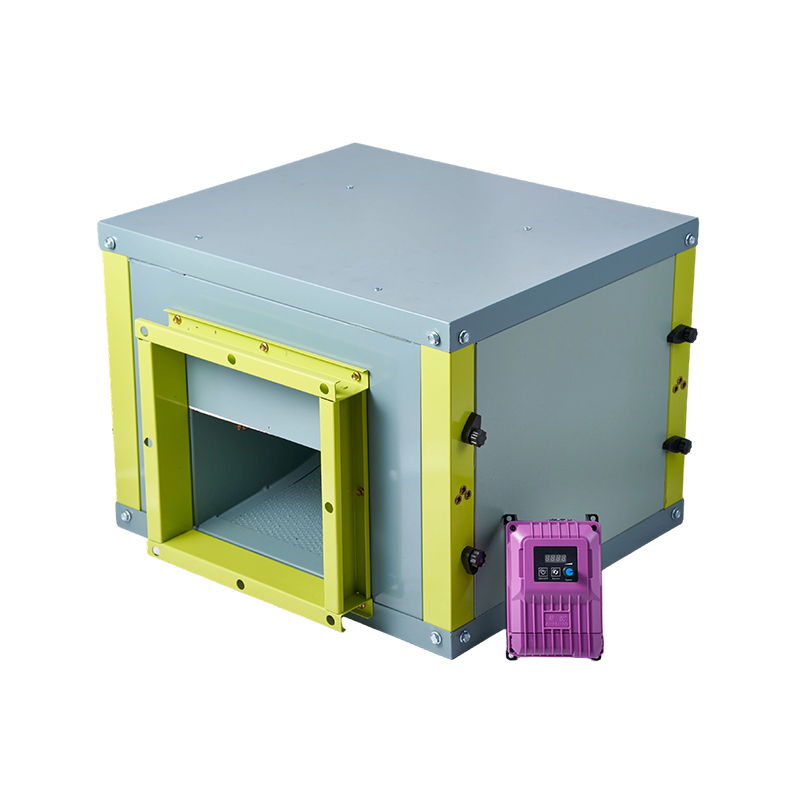
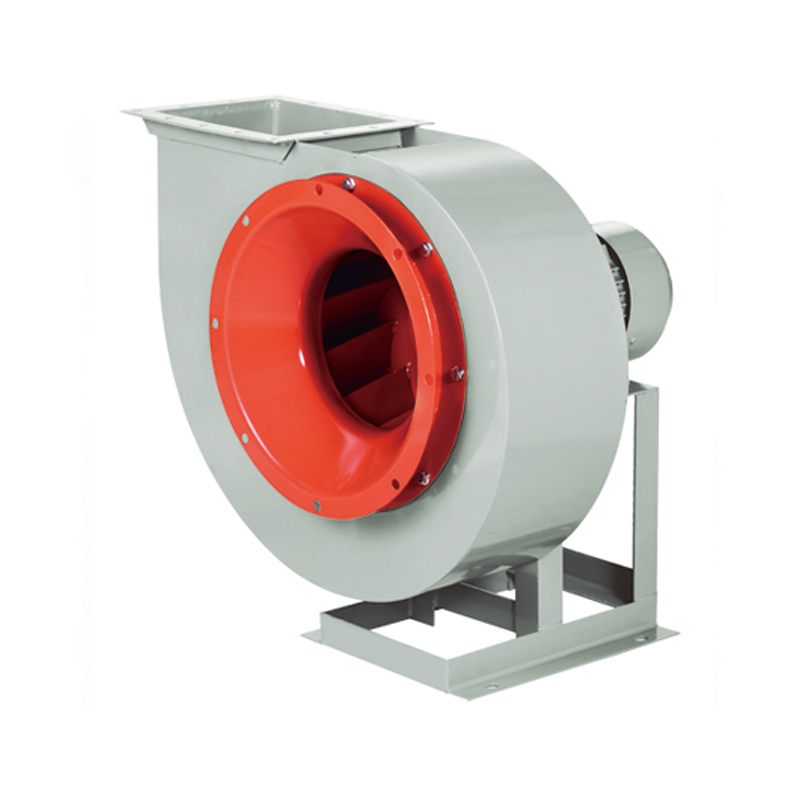
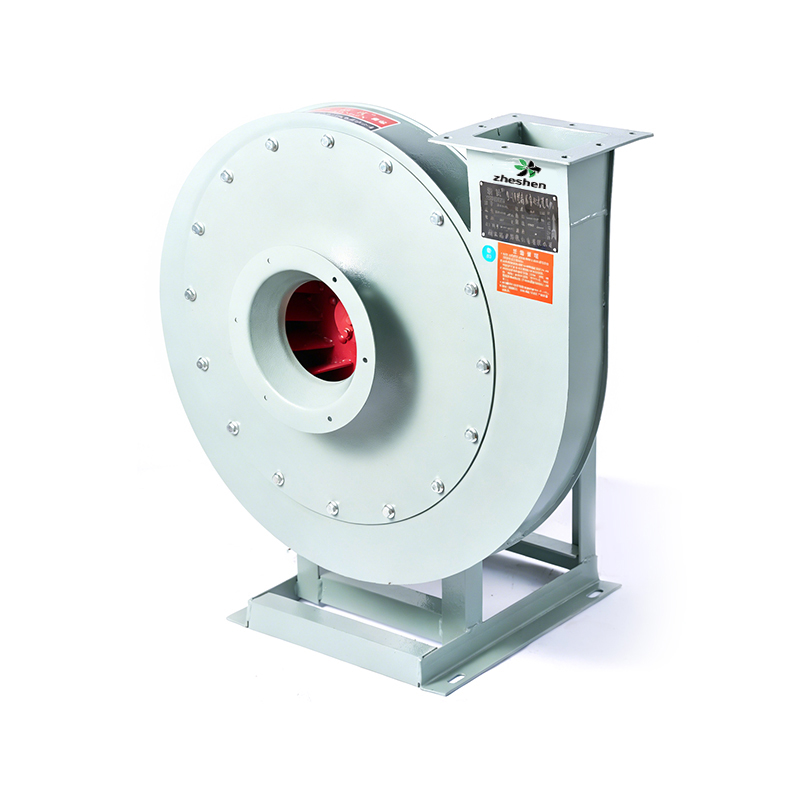
The SWF-I mixed-flow ventilator is a novel type of fan that bridges the gap between axial-flow and c...
+ VIEW MOREIndustry News

Hazardous locations that contain flammable gases, vapors or combustible dust require ventilation equipment designed for those conditions. An ordinary fan cannot be assumed safe in such spaces. An Explosion Proof Axial Fan combines the air-moving function of an axial design with construction features intended to limit the risk of ignition under defined conditions. Matching the fan to the specific hazard classification, the nature of the gas or dust, and the applicable standards is essential before any order is placed. Axial Flow Fans Custom configurations allow the airflow, size, motor and installation details to be adjusted to the project rather than forcing a standard unit into an unsuitable setting.
Ventilation in spaces where flammable atmospheres may occur must move air without introducing an ignition source. The motor, electrical connections and mechanical parts are therefore built and certified to specific explosion-protection methods. Chemical plants, process areas and certain manufacturing zones rely on this combination of airflow capacity and protection level. The correct choice depends on the zone classification, the group of the hazardous substance and the temperature class required by the site standards. Using a fan outside its certified scope can leave the installation non-compliant and increase risk.
The volume of air that must be moved is determined by the size of the area, the number of air changes needed and the resistance of the ductwork or louvers. Under-sizing leaves the space inadequately ventilated; over-sizing wastes energy and may create other system problems.
Duct length, filters, dampers and discharge conditions all add resistance. The fan must develop enough pressure to deliver the required airflow against that resistance under normal operating conditions.
Site voltage, frequency and available power determine the motor that can be fitted. The motor itself must carry the same explosion-protection rating as the overall fan assembly.
Physical space for mounting, duct connections and maintenance access limits the diameter and overall dimensions that can be used. Confirming these measurements early avoids later modification or rejection of the unit.
The explosion-protection marking, the temperature class and the relevant certificates must match the hazardous-area classification of the intended location. Certificates that do not cover the specific model or the required zone cannot be accepted as evidence of suitability.
Impeller diameter and housing dimensions can be selected so that the unit fits the available opening or duct connection without major structural changes.
Voltage, frequency, starting method and any additional protection devices are chosen according to the local electrical system and the explosion-protection requirements.
Blade profile and housing shape influence airflow, pressure and noise. Different designs are available for free intake, ducted systems or wall mounting.
Corrosive atmospheres, high humidity or outdoor exposure may require specific housing materials or protective coatings. The choice is driven by the chemical and climatic conditions of the site.
Wall, duct or other mounting arrangements, together with inlet and outlet flanges or flexible connectors, are fixed according to the system layout so that installation remains straightforward.
Chemical and petrochemical process areas use them where the atmosphere may contain flammable vapors. Manufacturing workshops with designated hazardous zones rely on them for general or local exhaust. Warehouses storing materials that generate combustible dust select fans whose protection level matches the dust group and zone. In each case the fan must be integrated into a ventilation system that has itself been designed for the hazard; the fan alone does not make an area safe.
The motor enclosure type, the gas or dust group it is certified for, and the temperature class must all align with the site classification.
Terminal boxes, cable entries and any control devices must carry compatible protection ratings and be installed according to the applicable wiring rules.
Impeller balance, housing strength, bearing arrangement and fastener security affect both safety and service life. Any failure that produces sparks or excessive heat must be prevented by design and by regular inspection.
The fan must remain within its certified temperature range under the hottest expected ambient and process conditions.
Nameplate data, certificates and technical files must correspond to the exact model being supplied and to the standards required by the project location.
A capable supplier can take airflow, pressure, space and hazard information and propose a fan configuration that satisfies all of them.
Adjustment of size, motor, materials and mounting details should be possible within the manufacturer's normal production range.
Incoming component checks, assembly verification and functional testing provide evidence that each unit meets the design intent.
Certificates and data sheets must be specific to the model and the protection concept, not generic statements.
Technical communication, drawing approval and the ability to handle both prototype and series quantities indicate whether the supplier can support the full project cycle.
Required airflow and system pressure, installation dimensions and mounting method, electrical supply details, hazardous-area classification and substance group, ambient and process temperature, corrosion or humidity conditions, quantity and delivery schedule, and the list of required certificates all need to be supplied. Incomplete data leads to assumptions that may later prove incorrect.
Correct airflow and pressure reduce the risk of an undersized or oversized installation. Dimensions and connections that fit the existing layout simplify installation. Motor and electrical details that match the site supply avoid rework. Hazard classification and certification that align with the standards of the location keep the installation compliant. Early agreement on all of these points shortens the time spent on technical clarification during procurement and installation.
| Item to Confirm | Why It Matters | Result of Mismatch |
|---|---|---|
| Airflow and system pressure | Ensures adequate ventilation under real resistance | Under- or over-ventilation |
| Motor voltage and protection | Matches site power and hazard rating | Incompatibility or non-compliance |
| Physical size and mounting | Fits available space and duct connections | Installation delays or modifications |
| Explosion-protection marking | Aligns with zone, gas/dust group and temperature | Rejection by inspection or unsafe operation |
| Materials and surface treatment | Resists corrosion or humidity present on site | Premature deterioration |
| Certification documents | Provides evidence for the specific model | Inability to demonstrate compliance |
Airflow, pressure, motor details, explosion-protection requirements, installation method and any necessary customization must all be established before an order is placed. Selection based solely on price or appearance leaves critical mismatches undiscovered until installation or inspection. Zhejiang Shenli Explosion proof Electromechanical Co., Ltd. produces explosion-proof axial fans for industrial hazardous-area ventilation. Review of project airflow, pressure, electrical supply, hazard classification and dimensional constraints against available fan configurations allows selection of a unit that meets both the ventilation duty and the safety standards of the site.
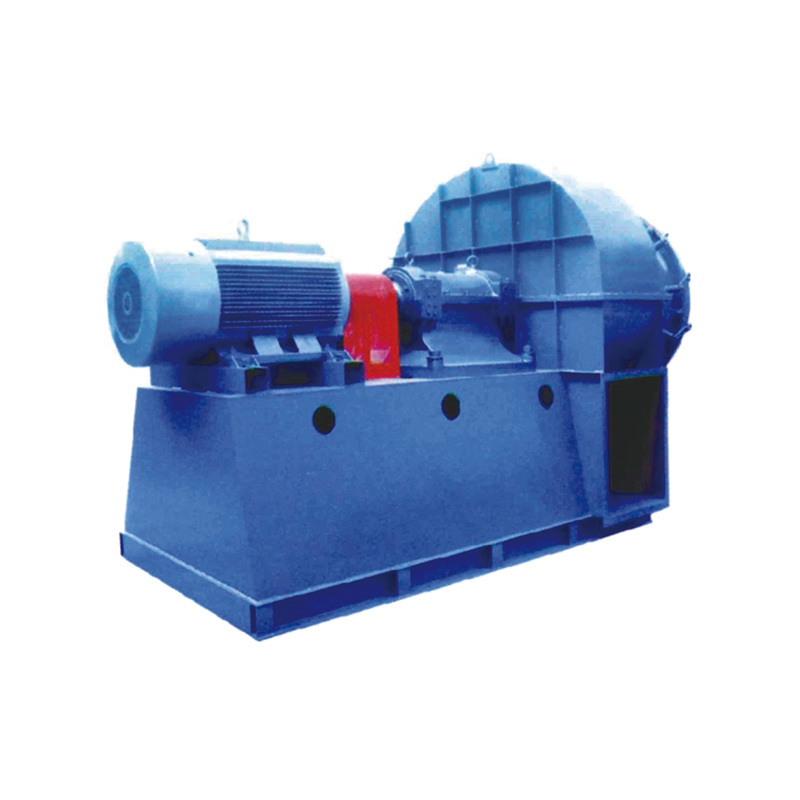
The SWF-I mixed-flow ventilator is a novel type of fan that bridges the gap between axial-flow and c...
+ VIEW MORE
The WT35-11 and FWT35-11 series roof-mounted fans feature high airflow volume and—compared to centri...
+ VIEW MORE
The air cabinet features a clean and elegant exterior design; all components of the cabinet body are...
+ VIEW MORE
The Model 4-68 Centrifugal Ventilator is suitable for indoor ventilation and air exchange in general...
+ VIEW MORE
The Models 9-19 and 9-26 high-pressure centrifugal ventilators are widely utilized for conveying mat...
+ VIEW MORE
The G4-73 and Y4-73 series forced and induced draft fans are suitable for use in the draft systems o...
+ VIEW MORE
Copyright ©
Zhejiang Shenli Explosion proof Electromechanical Co., Ltd.
All rights reserved