Industry News
Home / News / Industry News / What Factors Affect the Price of Explosion-Proof Fans for Sale

What Factors Affect the Price of Explosion-Proof Fans for Sale


Key Elements That Shape the Cost of Explosion-Proof Fans

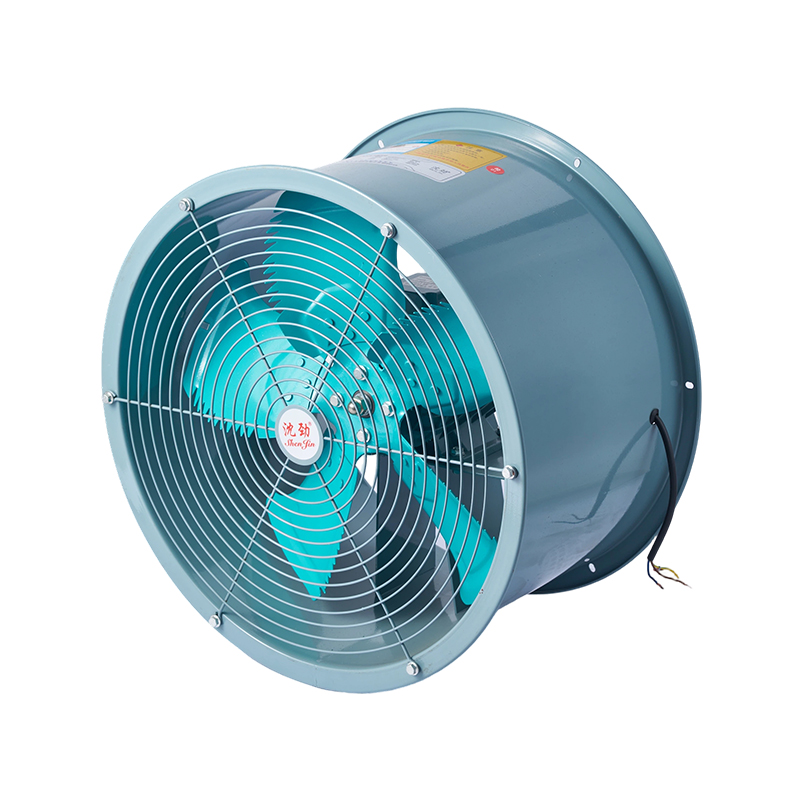
Several elements combine to set the price of fans built for hazardous locations. Fan size and performance targets, the level of explosion protection required, the materials chosen for housing and impeller, the motor arrangement, and any special construction details all play a part. Different industrial settings call for different combinations of these features, so budgets vary accordingly. Explosion Proof Fans for Sale must be judged against the full technical list rather than the sticker figure alone. Comparing only the lowest figure often overlooks the exact protection and airflow the site actually needs.

Influence of Airflow Volume and Static Pressure on Overall Cost

The volume of air a fan must move directly affects the physical size of the impeller and housing as well as the power the motor has to deliver. Higher static pressure needed to push air through ducts or filters further changes the internal design and the energy the motor consumes. System resistance therefore dictates how much performance the fan must deliver. Choosing an Explosion-Proof Exhaust Fan whose airflow and pressure figures already match the ductwork avoids paying for capacity that will never be used or under-sizing a unit that later proves inadequate.

Effect of Explosion-Protection Ratings and Related Certifications

The type of hazardous atmosphere present—whether flammable gases, vapors, or combustible dust—determines the protection method the equipment must carry. Applicable standards, marking systems, gas-group classifications, and temperature limits all add specific design and testing steps. Products cleared for broader or more demanding categories usually carry higher costs because of the extra engineering and verification involved. Confirmation that the chosen unit matches the exact zone and atmosphere of the installation site remains essential before any order is placed.

Role of Motor Arrangement in Setting the Final Price

Motor power and the performance curve it must meet influence the cost of the complete assembly. Efficiency level, supply voltage, frequency, and starting characteristics further shape the electrical package. Protection features required for the hazardous area also affect the motor enclosure and its certification path. Matching the motor package to the actual operating voltage, duty cycle, and ambient conditions keeps the configuration appropriate without surplus expense.

Contribution of Materials and Structural Build to Manufacturing Cost

Housing and impeller materials, together with any corrosion-resistant coatings or alloys, change the raw-material outlay and the fabrication steps required. Sites that face moisture, chemical vapors, or abrasive dust need materials that resist those conditions over time. Precision of machining, rigidity of the frame, and quality of individual components all add to durability and therefore to cost. Available material and construction choices for these fans cover a range of industrial atmospheres so that the selection can stay close to real site demands.

Impact of Physical Size and Mounting Style on Pricing

Larger overall dimensions increase the quantity of material used and the complexity of forming and balancing the rotating parts. Wall-mounted, duct-mounted, and other mounting styles each bring their own fabrication and hardware requirements. Connection sizes, flange details, and any site-specific mounting constraints can push the design into custom territory and raise the unit cost. Selecting a size and mounting method that already fit the available space and duct layout helps keep the project within planned limits.

How Special Construction Requests Alter the Quoted Figure

Non-standard overall dimensions, unusual alloys, or performance targets outside the regular range lengthen engineering time and reduce production-line efficiency. Changes to the electrical layout or the addition of project-specific accessories likewise add cost. Custom brackets, transition pieces, or special inlet and outlet arrangements further affect both manufacturing and shipping expense. When a project truly needs such departures, the added cost is unavoidable; when a standard configuration already satisfies the duty, that route keeps the price lower.

Influence of Order Volume and Delivery Conditions on Total Cost

Larger order quantities often improve production scheduling and lower the unit cost through better machine utilization. Packaging method, transport distance, mode of shipment, and any export documentation requirements all appear in the final delivered figure. Distinguishing the bare unit price from the complete cost including freight and duties prevents later surprises. Providing estimated quantities, destination, and preferred delivery schedule at the quotation stage allows a clearer total to be calculated.

Evaluating Options on Technical Grounds Rather Than Price Alone

Airflow, static pressure, motor details, construction materials, and the exact explosion-protection markings should be lined up side by side before any quotation is compared. Units must meet the same performance and safety list; otherwise the lower figure simply reflects a different capability. Long-term ownership costs—maintenance intervals, spare-part availability, energy draw under the actual duty, and expected service environment—also belong in the comparison. Checking the full specification sheets and supporting certificates before a decision is reached avoids later mismatches between the equipment supplied and the site requirements.

Preparing the Information Needed for a Reliable Quotation

Required airflow, static pressure, supply voltage and frequency, preferred mounting style, and approximate quantity form the basic list. The hazardous-area classification and the applicable certification scheme must be stated clearly. Environmental details such as temperature range, presence of moisture or corrosive agents, preferred materials, overall dimensions, and any special features further refine the recommendation. Complete technical information allows the supplier to propose a configuration that truly fits and to attach a price that reflects that exact scope.

Summary of Cost Drivers Across Typical Project Variables

Cost Driver Primary Influence Secondary Effect
Airflow and static pressure Fan size and motor power Energy use and duct compatibility
Explosion-protection level Design and certification scope Testing and documentation overhead
Motor package Power, efficiency, and enclosure type Electrical compatibility and starting
Materials and construction Corrosion resistance and durability Fabrication time and surface treatment
Size and mounting style Material volume and hardware complexity Installation fit and custom adaptation
Special requests Engineering and non-standard production Lead time and unit cost
Order volume and delivery Production efficiency and logistics Total delivered cost versus unit price

Arriving at a Suitable Fan Configuration and Available Manufacturing Support

The final price of an explosion-proof fan reflects the combined demands of airflow, protection level, motor arrangement, materials, size, any special features, and the logistics of the order. Matching each of these elements to the actual site conditions produces a configuration that performs correctly without surplus cost. Zhejiang Shenli Explosion proof Electromechanical Co., Ltd. manufactures explosion-proof fans intended for hazardous industrial environments. Review of the required performance figures, protection markings, and installation constraints against the available product range allows selection of equipment that meets both safety and budget targets for the project.