
 English
  中文简体
中文简体  Français
 The T35-11, BT35, and FT35 series axial flow fans serve as replacements for the 30K4 series. The T35...
+ VIEW MORE
What Should You Know Before Choosing an Industrial Air Exhaust Fan
Deliver multiple validated explosion-proof fan solutions
A workshop can look open and still hold heat, stale air, or drifting dust in places that are hard to notice. That is where an Industrial Air Exhaust Fan enters the picture. It is not only about moving air out of a room. It is about how the air leaves, where fresh air comes in, and how the whole space behaves during daily work.
In many facilities, the first complaint is not about the equipment itself. It is about the feeling inside the building. Some areas stay warm, some corners feel still, and some rooms seem harder to breathe in after machinery starts running. These signs often point to airflow issues rather than one single fault.
Why Does a Large Workshop Still Feel Hot After Installing an Industrial Air Exhaust Fan
A large workshop can still feel warm even after ventilation equipment is added. The reason is often linked to how air moves through the space rather than how much air leaves the building.
Several conditions may be involved:
- Heat may collect near the roof while the work area stays stuffy.
- Fresh air may not enter in a steady way.
- Machines may block natural airflow paths.
- Walls, partitions, or stored goods may trap warm air in certain zones.
A fan can remove air, but the room still needs a path for replacement air to enter. When that path is weak, the space may feel unchanged even though the fan is running.
In simple terms, airflow is a loop. Air leaves, air returns, and the room changes only when both sides of that movement are working together.
How to Calculate Industrial Air Exhaust Fan Airflow Requirements Before Buying
Before choosing an Industrial Air Exhaust Fan, the airflow need should match the room, the work process, and the way the space is used. A fan that is too small may not change the room enough. A fan that is too large may create a harsh or uneven flow.
A practical way to think about it is to ask:
- How open is the space?
- How many machines are running at the same time?
- Are people working in one zone or across several zones?
- Is the air meant to remove heat, smoke, odor, or general stuffiness?
| Space condition | What may happen | What to pay attention to |
|---|---|---|
| Open workshop | Air moves more freely | Placement and intake path |
| Divided rooms | Air may stop at barriers | Flow between sections |
| Heavy machine area | Warm air gathers faster | Exhaust path and fresh air entry |
| Light assembly area | Air movement may feel uneven | Comfort across work zones |
The main point is not to chase a bigger fan only because it sounds stronger. The goal is to match the fan to how the room actually behaves.
Which Industrial Air Exhaust Fan Size Works for Different Factory Layouts and Ceiling Heights
Fan size is not just a hardware choice. It is also a layout choice. The same fan can behave differently in a narrow room, a wide room, or a space with a high ceiling.
A low ceiling can keep air movement closer to the work area, while a higher ceiling may allow warm air to stay above people for longer. In both cases, the room shape changes how the airflow spreads.
A few layout questions matter here:
- Is the space long and narrow, or wide and open?
- Are there walls or barriers that divide the room?
- Is the working area near the center or along the edges?
- Does air need to move across one zone or several?
An Industrial Air Exhaust Fan should fit the room shape, not just the wall opening. That is why the same size may work well in one place and feel weak in another. The goal is a steady exchange of air across the whole space, not only near the fan itself.
What Happens When an Industrial Air Exhaust Fan Is Installed in the Wrong Location Inside a Workshop
Placement can change the entire result. Even a well-built fan may perform poorly if it sits in the wrong part of the workshop.
When the location is not right, several problems can appear:
- Air may leave one corner while the hot center stays unchanged.
- Fresh air may enter from an awkward direction.
- The fan may pull air past one area and ignore another.
- Workers may feel draft in one zone and still air in another.
A fan near a dead zone can remove air that was already moving, while the real problem area remains untouched. A fan too close to a blockage may also struggle to move air smoothly.
A simple placement check can help:
- Keep the exhaust path clear.
- Avoid placing the unit where large objects block airflow.
- Make sure there is a reasonable route for incoming air.
- Think about where heat and dust gather during normal work.
In many cases, the fan is not the issue. The position is. A good layout lets the system work with the room instead of against it.
What Should Buyers Know Before Choosing an Industrial Air Exhaust Fan for Welding and Dust Environments
Not every working environment places the same demand on ventilation equipment. Areas with airborne particles, suspended materials, or process related smoke often create conditions that differ from ordinary workshop spaces.
Selection decisions usually depend on what is happening in the air rather than what is happening on the floor. Fine particles can travel farther than expected, while heavier material may settle around equipment and structures.
Questions often raised during planning include:
- Does the environment generate visible particles or fine residue
- Does material stay in one area or move across the workspace
- Are there enclosed sections where airflow changes direction
- Does the working process create heat together with airborne matter
In these settings, an Industrial Air Exhaust Fan is often expected to support stable air movement while reducing buildup around active work areas. The environment itself usually shapes the selection process more than appearance or equipment size.
Different spaces may also change over time. As production patterns shift or layouts evolve, airflow behavior may no longer match the original arrangement.
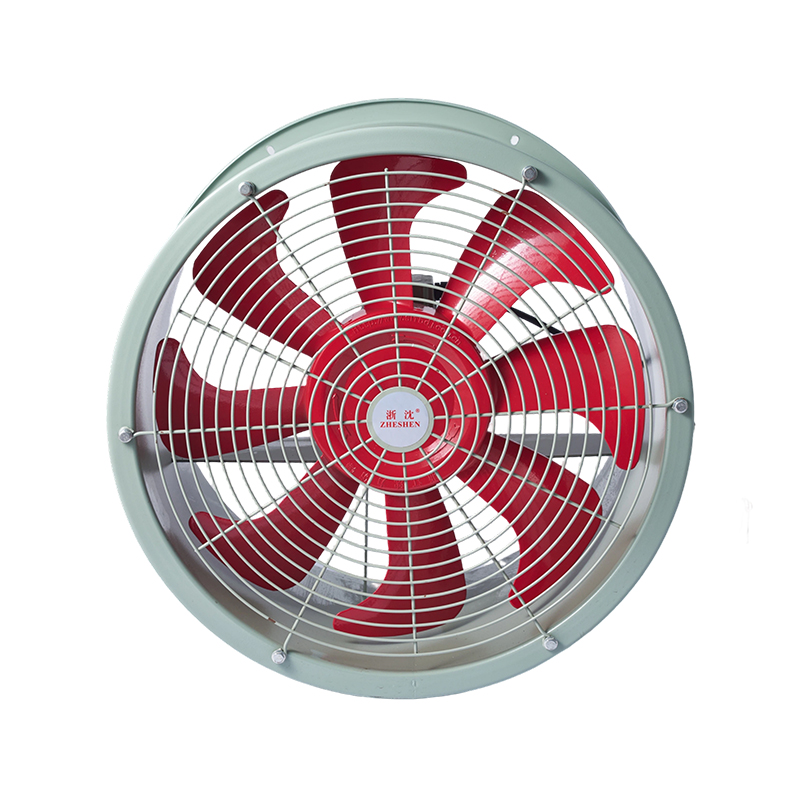
Why Does an Industrial Air Exhaust Fan Become Noisier After Months of Daily Operation
Noise changes often happen gradually. People working in the same environment every day sometimes notice the change only after sound levels become more obvious.
The source may not come from a single cause. Small changes inside the workspace can slowly influence operating conditions.
Common factors include:
- Dust collecting around moving parts
- Mounting points becoming less stable over time
- Airflow paths becoming restricted
- Vibration transferring into nearby surfaces
Sound can also travel differently depending on the surrounding structure. Hard walls, enclosed corners, and certain room layouts may reflect operating noise back into the workspace.
An Industrial Air Exhaust Fan running in a clean and balanced environment may sound very different from the same unit installed in a crowded or changing work area. Looking at surrounding conditions can sometimes reveal issues before mechanical concerns become obvious.
How Dust Accumulation Slowly Changes Industrial Air Exhaust Fan Performance and Airflow
Dust rarely creates immediate changes. It usually develops slowly and becomes noticeable only after airflow starts behaving differently.
Fine particles may settle on blades, housing surfaces, and nearby structures. As buildup increases, air movement can gradually become less even.
| Dust condition | Possible effect on airflow | Area to observe |
|---|---|---|
| Light surface buildup | Small changes in air movement | Blade surfaces |
| Uneven accumulation | Air distribution may shift | Air path balance |
| Dust near intake areas | Incoming flow becomes restricted | Entry openings |
| Continuous particle exposure | Cleaning intervals may become shorter | Internal surfaces |
Changes are not always dramatic. Workers may simply notice that one side of the room feels different from another, or that certain zones remain warmer for longer periods.
A maintenance routine often becomes easier when attention stays on gradual changes rather than waiting for visible performance issues.
Ways to Reduce Energy Costs While Running an Industrial Air Exhaust Fan Every Day
Daily operation is shaped by more than switching equipment on and off. Air movement patterns, workspace changes, and routine conditions all influence how energy is used.
An Industrial Air Exhaust Fan often works as part of a larger environment. If surrounding conditions change, operation habits may also need adjustment.
Several practical approaches are commonly considered:
- Keep airflow paths clear of large obstructions
- Review workspace changes after equipment relocation
- Check whether intake and exhaust paths remain balanced
- Pay attention to buildup that may interrupt airflow
- Observe changes in noise or vibration during routine operation
Small changes in layout sometimes create larger effects than expected. A newly placed storage area or production line adjustment can influence circulation patterns throughout the workspace.
Long term operation often depends on routine observation rather than major changes. In many industrial settings, ventilation planning and equipment arrangement continue to evolve alongside workplace needs. For companies involved in ventilation and industrial equipment manufacturing, including Zhejiang Shenli Explosion proof Electromechanical Co., Ltd., discussions often focus on how airflow behavior and real working environments interact over time.
Related Product
-
-
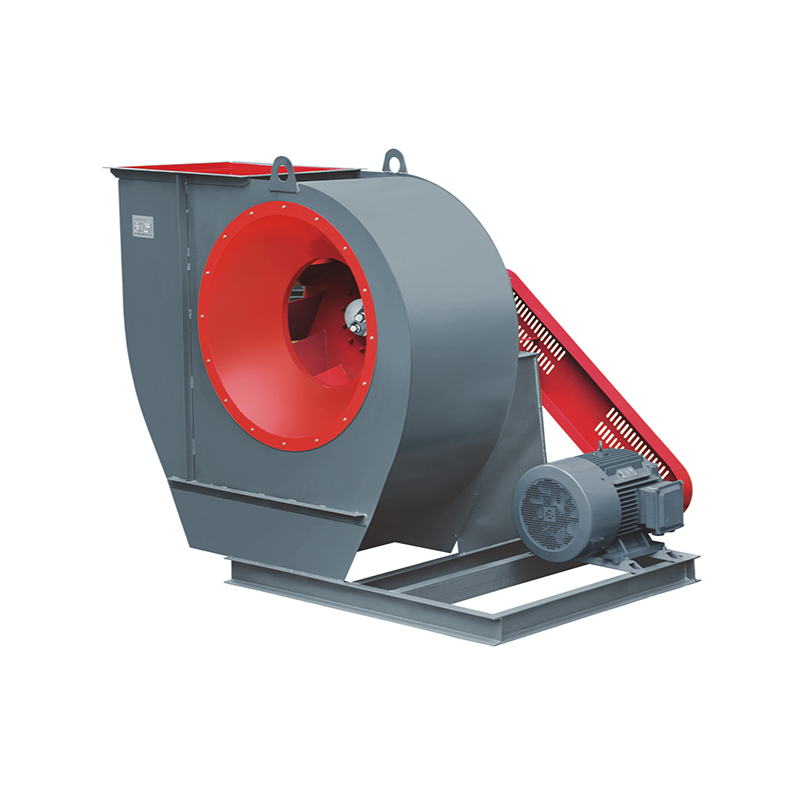
The Model 4-72C centrifugal ventilator is designed to convey air and other gases that are non-flamma...
+ VIEW MORE -
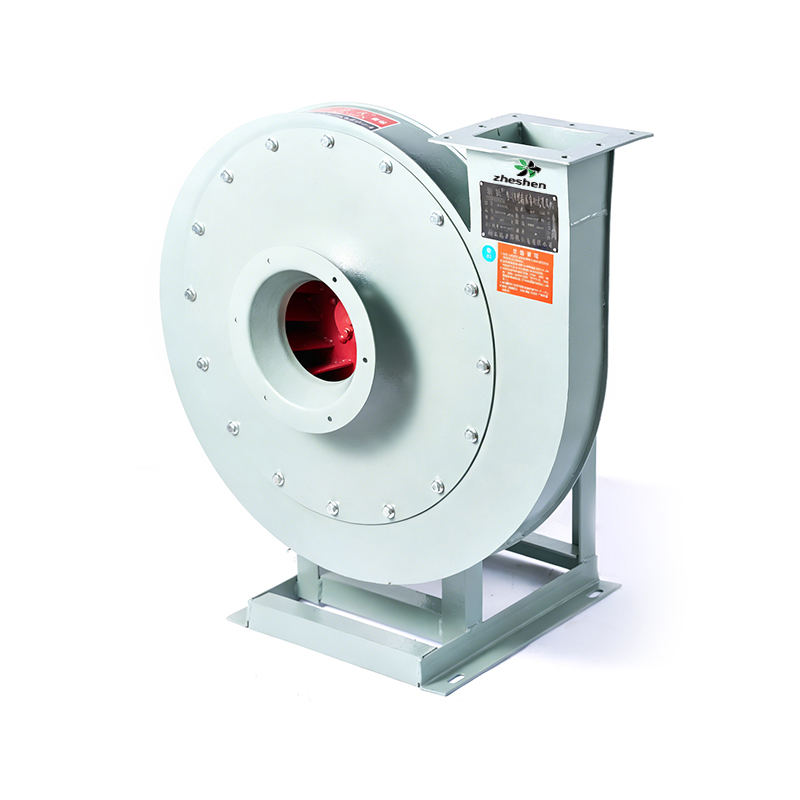
The Models 9-19 and 9-26 high-pressure centrifugal ventilators are widely utilized for conveying mat...
+ VIEW MORE -
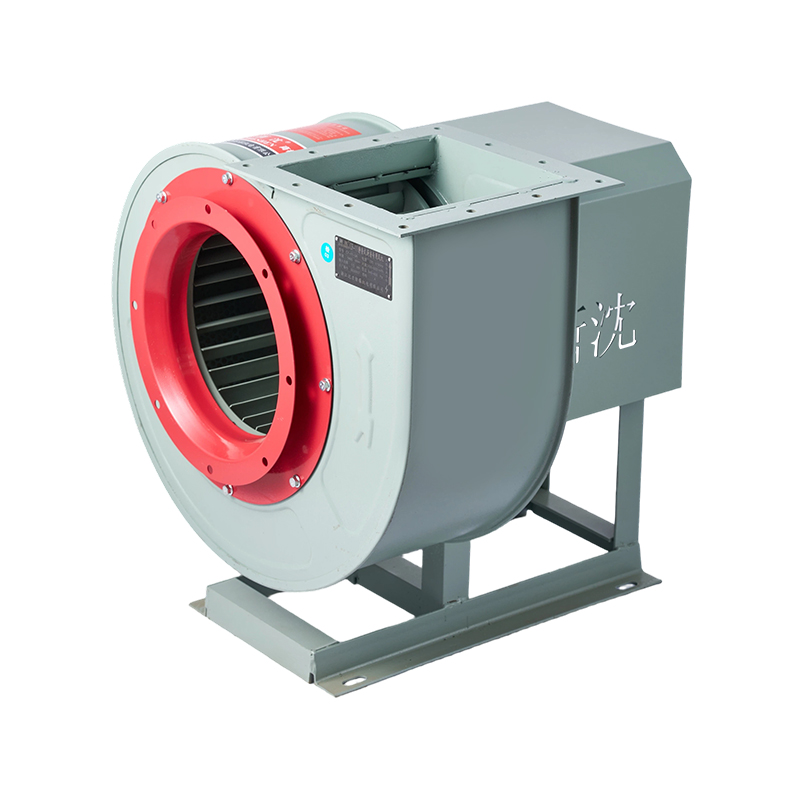
The Model 11-62A Low-Noise Multi-Blade Centrifugal Ventilator is designed and manufactured to meet t...
+ VIEW MORE -
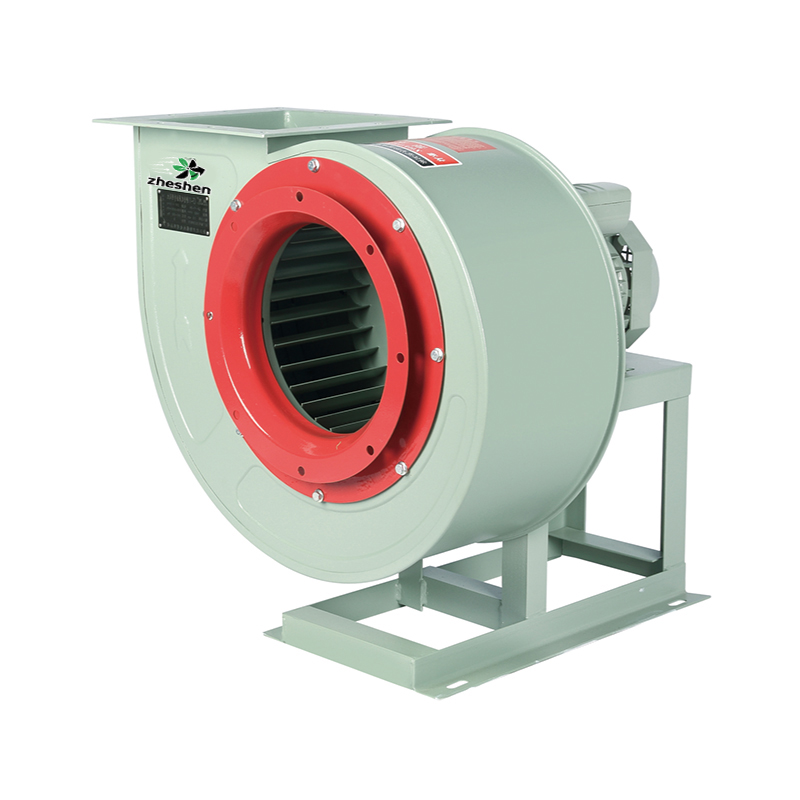
The Model CF-11 Low-Noise Multi-Blade Centrifugal Ventilator was designed and manufactured by our co...
+ VIEW MORE -
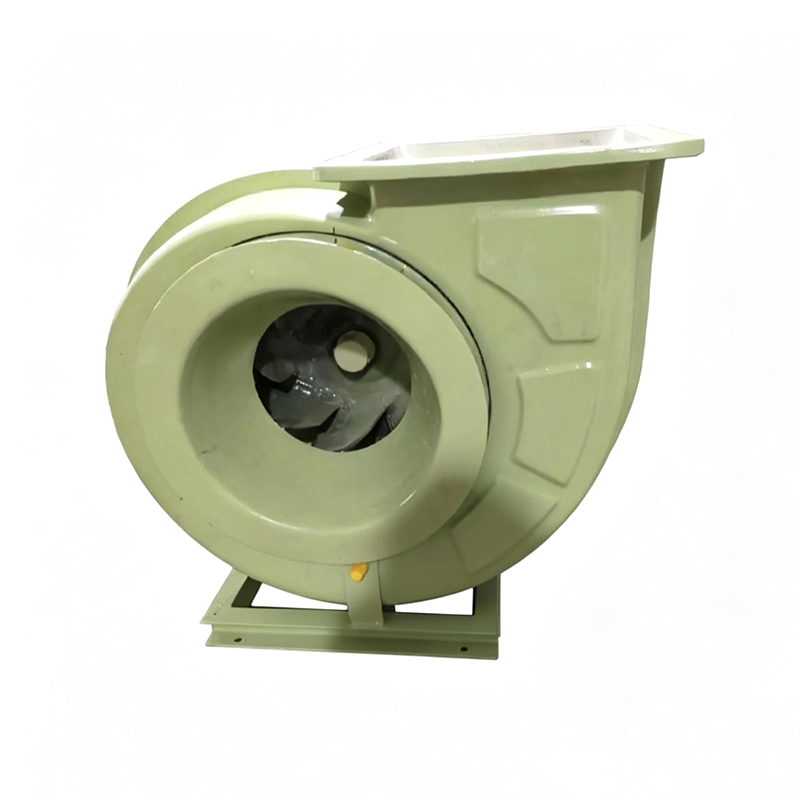
The Model 4-72 series plastic centrifugal ventilators manufactured by our factory are meticulously c...
+ VIEW MORE
Do you have questions? Do not wait, Let's talk!
Products:
Contact Us
- Tel/Whatsapp:+86-13586259916
- Tel:+86-15825511111
- Email: [email protected]
- Add:Jin'ao Industrial Zone, Shanshi, Daxi Town, Wenling City, Zhejiang Province
Mobile
Copyright ©
Zhejiang Shenli Explosion proof Electromechanical Co., Ltd.
All rights reserved

