
 English
  中文简体
中文简体  Français
 The SF Series of axial-flow fans features smooth, streamlined surfaces, stable operation, high effic...
+ VIEW MORE
What Determines Industrial Centrifugal Air Blower Performance
Deliver multiple validated explosion-proof fan solutions
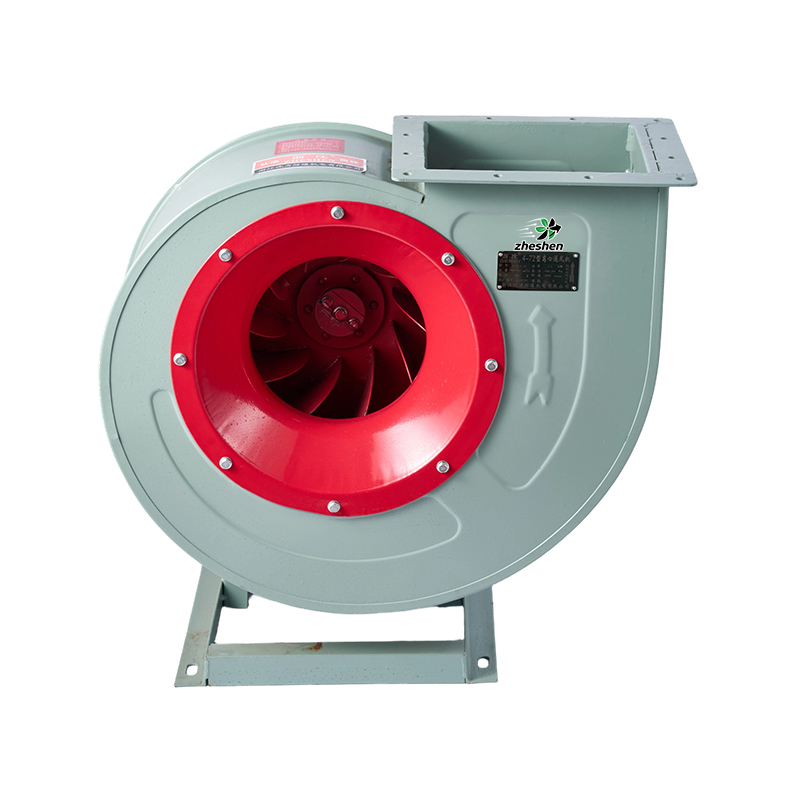
In practical use, an Industrial Centrifugal Air Blower is rarely judged by one point alone. People usually notice it through a mix of airflow feel, pressure behavior, installation layout, and the way the system reacts over time. A unit can look steady on paper and still behave differently once it is tied into real ducts, filters, dampers, and process demand.
What matters most is not only the machine itself, but the way it is placed into the wider system. Small changes in resistance, routing, or operating habit can shift the result more than many people expect. That is why performance often needs to be read as a whole picture rather than as a single number.
How to choose an Industrial Centrifugal Air Blower based on airflow and system pressure conditions
Choice usually starts with two questions. How much air is needed, and how much resistance will the system create once everything is connected. If those two points are not aligned, the blower may still run, but it may not behave in a way that feels steady in daily operation.
A useful way to think about selection is to look at the system as a working path, not just a device. Air does not move in a vacuum. It has to travel through ducts, bends, filters, and process sections before it reaches the end point. That means the right choice is often the one that fits the path without forcing the unit to work too far away from its normal operating area.
A few practical signs matter here.
- The airflow need should match the actual process demand, not only the planned demand on paper
- The pressure condition should include normal resistance and the extra resistance that appears during operation
- The blower should have enough room to handle variation without becoming unstable
- The system should not depend on constant correction just to stay usable
When these points are ignored, the equipment may seem fine at startup and then feel weak or uneven later. That gap is often what causes confusion during field use.
How duct design and installation details affect airflow behavior
A blower is only part of the story. The air path around it can help the system work smoothly, or it can create a kind of hidden drag that shows up later as uneven output. In many plants, the duct layout quietly decides whether the unit feels stable or strained.
Straight routing usually gives air a calmer path. Sharp turns, sudden size changes, and poor transitions do the opposite. They do not always create an obvious failure, but they can make the system harder to read and harder to control. The same machine may look acceptable in one installation and behave quite differently in another.
Installation quality also matters in less visible ways. A joint that leaks a little, a section that is not lined up well, or a duct that changes shape too abruptly can alter how air moves through the system. That does not always show up right away. Often it appears later as uneven delivery, local turbulence, or a feeling that the blower is working harder than it should.
For a blower setup to stay predictable, the air path should feel smooth and deliberate. Once the route becomes awkward, the machine has to compensate, and that usually affects operating comfort more than people expect.
How system resistance changes shift the operating point
System resistance is not a fixed background detail. It changes as filters load, dampers move, process conditions shift, or internal passages collect material. Because of that, the operating point can slide even when the blower itself has not changed.
This is one reason a setup can feel normal at one moment and less responsive later. The blower may still be rotating in the same way, but the environment around it has changed. Air finds a different path through the system, and the balance between flow and pressure moves with it.
In day to day use, this often shows up in quiet ways rather than dramatic ones. The air may feel slightly weaker. Pressure may seem less even. The end point may not receive the same amount of flow across the full cycle. None of that necessarily points to a fault inside the unit. Sometimes it simply means the system has shifted from the condition it was set up for.
That is why the surrounding network deserves as much attention as the equipment itself. If resistance keeps changing and no one checks the reason, the blower can be blamed for a problem that started somewhere else.
Why airflow drops even when speed stays steady
This is one of the more common surprises in real operation. The motor can stay at the same speed, yet the airflow still drops. That feels contradictory at first, but in practice it is not unusual.
The reason is simple enough. Speed is only one part of the picture. The actual airflow depends on whether the air can move through the system without too much restriction. If the downstream path gets tighter, rougher, or partially blocked, the output can fall even though the drive side looks unchanged.
There are a few ways this shows up.
- The filter starts to load up and the path becomes harder to pass through
- A damper position changes and restricts flow more than expected
- The duct path develops resistance that was not present during setup
- The unit begins to operate in a less comfortable part of its range
With an Industrial Centrifugal Air Blower, this kind of drop is often tied to the system rather than the motor alone. That is why looking only at speed can be misleading. A unit may still be running, but the air may no longer be moving through the network in the same way.
In field conditions, that difference is important. It is the reason some teams check both the machine side and the duct side before deciding where the issue really sits.
What causes pressure fluctuation in centrifugal blower systems near surge conditions
Pressure fluctuation usually appears when the system starts to operate in a zone where airflow is no longer steady. In real installations, this does not always happen suddenly. It often builds up gradually as operating conditions drift away from the original balance between demand and resistance.
When this happens, the air inside the system may start to behave unevenly. Instead of moving in a smooth and continuous way, it begins to show small cycles of restriction and release. That is often what is felt as pressure instability at the outlet.
This situation is more noticeable when the system has limited flexibility. Once the airflow path cannot adjust smoothly to changes in demand, the interaction between the blower and the system becomes less stable.
Typical field indicators include:
- Slight back and forth changes in outlet pressure feel
- Audible variation in airflow tone during operation
- Unsteady response when system load changes
- Delayed stabilization after adjustments
These signs do not always point to a mechanical fault inside the unit. In many cases, the system condition itself is driving the fluctuation.
Which impeller design choices influence durability and airflow stability in centrifugal blower operation
The impeller plays a direct role in how air is guided and accelerated. In practice, different shapes and layouts tend to behave differently once the system is running under real conditions rather than ideal assumptions.
Some designs tend to handle variation in flow more calmly, while others respond more sharply to changes in resistance. This difference is usually felt over time, especially when operating conditions are not constant.
Durability is also connected to how forces are distributed across the rotating structure. If airflow enters and leaves in a more balanced way, mechanical stress tends to spread more evenly. If the flow is uneven, certain areas may carry more load during operation.
Key aspects that influence behavior include:
- Blade angle and how air is guided through the passage
- Shape consistency across the rotating structure
- Transition smoothness between inlet and outlet flow
- Tendency to handle uneven load without strong vibration
In real operation, these factors often show up slowly rather than immediately.
How to reduce energy loss in centrifugal air blower systems through operating and control strategies
Energy loss in blower systems is often less about the machine alone and more about how it is operated within the system. When operating conditions drift away from a stable working zone, additional power is used without producing proportional airflow.
One common situation is running the system under partial demand while keeping the same operating intensity. Another is adjusting flow using methods that create extra resistance instead of aligning with system demand. Over time, both situations can increase unnecessary load.
A more controlled approach usually focuses on keeping airflow closer to what the system actually requires, instead of forcing the system to compensate through resistance.
| Operating approach | System behavior | Typical observation |
|---|---|---|
| Fixed speed with changing demand | Flow varies unevenly | Air feels inconsistent |
| Resistance based control | Pressure increases locally | Energy use rises without stable flow |
| Demand aligned adjustment | More balanced flow | System feels smoother |
In an Industrial Centrifugal Air Blower setup, the goal is often to avoid working too far outside the normal balance point, since that is where energy loss becomes more noticeable.
What maintenance methods help improve long term reliability of industrial air blowers
Maintenance is not only about repairing visible issues. In many systems, gradual changes happen quietly inside the airflow path and rotating components long before any clear sign appears.
Dust buildup, small imbalances, and gradual wear can slowly change how the system behaves. These changes may not stop operation, but they can make performance feel less consistent over time.
Regular attention usually focuses on a few practical areas:
- Checking rotating balance conditions during routine inspection
- Observing changes in airflow behavior over time
- Looking for uneven wear patterns on internal surfaces
- Making sure connection points remain stable and sealed
In many cases, early signs are subtle. A small change in vibration feel, a slight shift in airflow consistency, or a different sound during steady operation can indicate that the system is moving away from its original condition.
For an Industrial Centrifugal Air Blower, reliability is often tied to how early these small changes are noticed rather than how large they become later.
Related Product
-
-
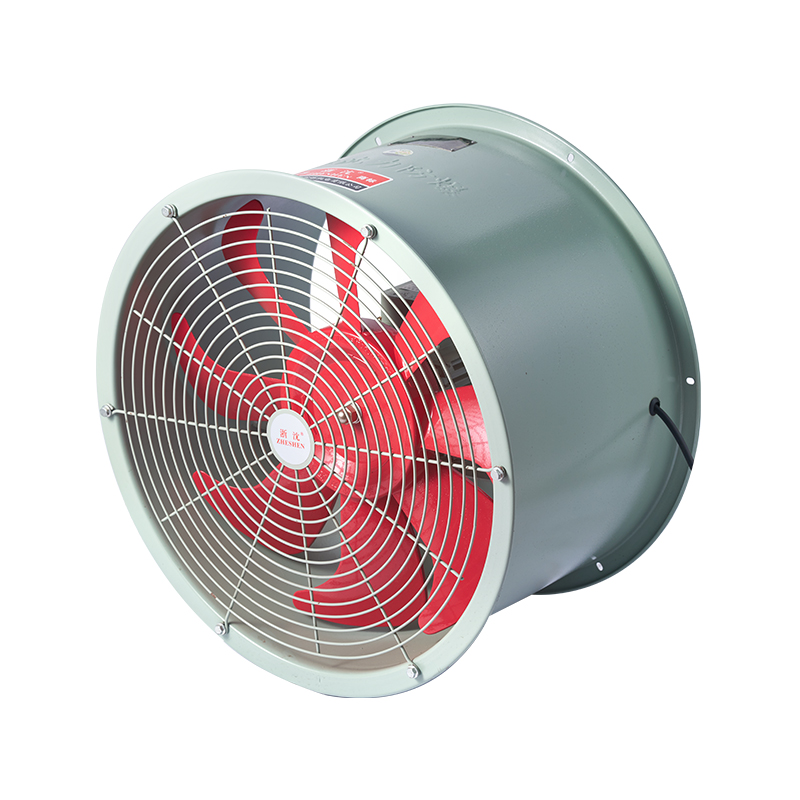
The T35-11, BT35, and FT35 series axial flow fans serve as replacements for the 30K4 series. The T35...
+ VIEW MORE -
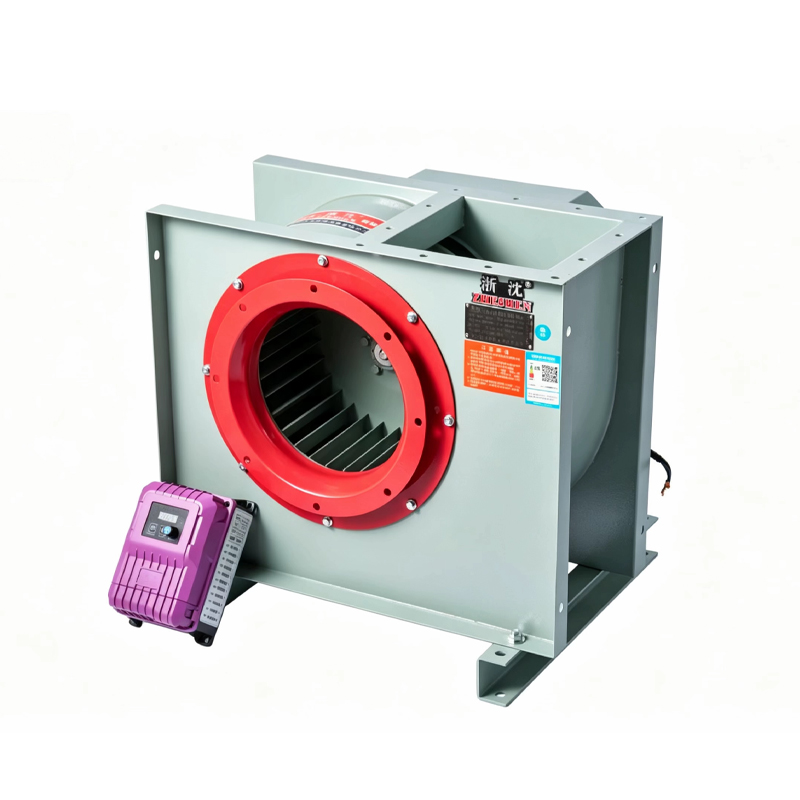
The YC Series Permanent Magnet Variable Frequency Kitchen Fan was designed and manufactured by our c...
+ VIEW MORE -
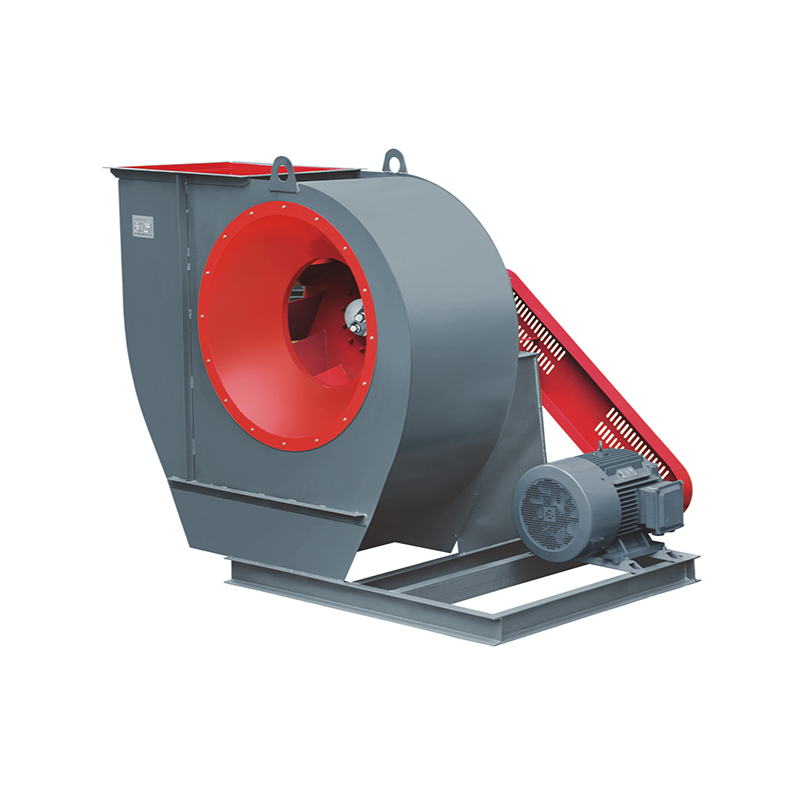
The Model 4-72C centrifugal ventilator is designed to convey air and other gases that are non-flamma...
+ VIEW MORE -
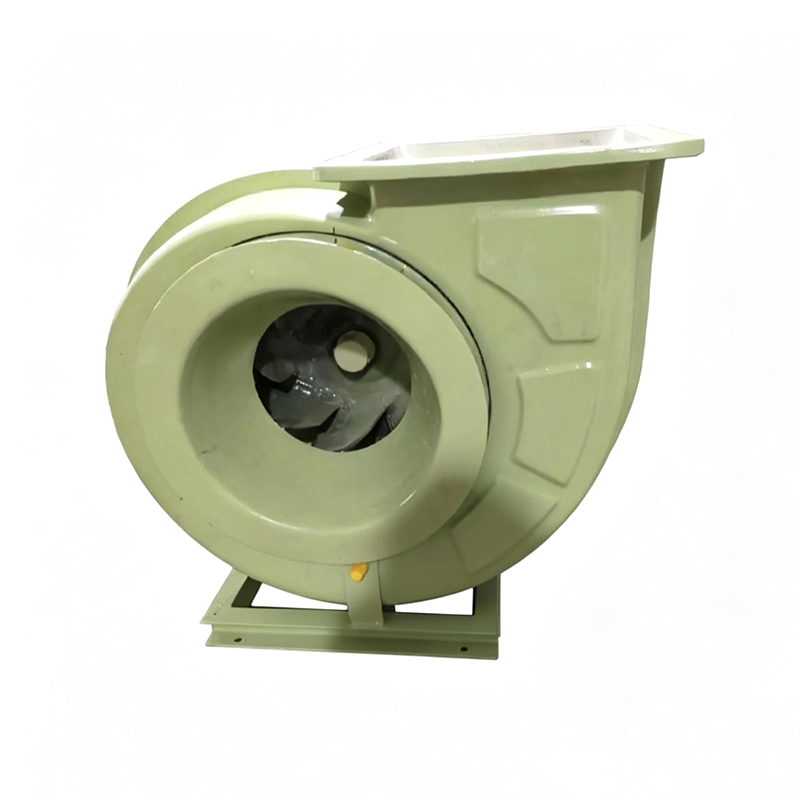
The Model 4-72 series plastic centrifugal ventilators manufactured by our factory are meticulously c...
+ VIEW MORE -
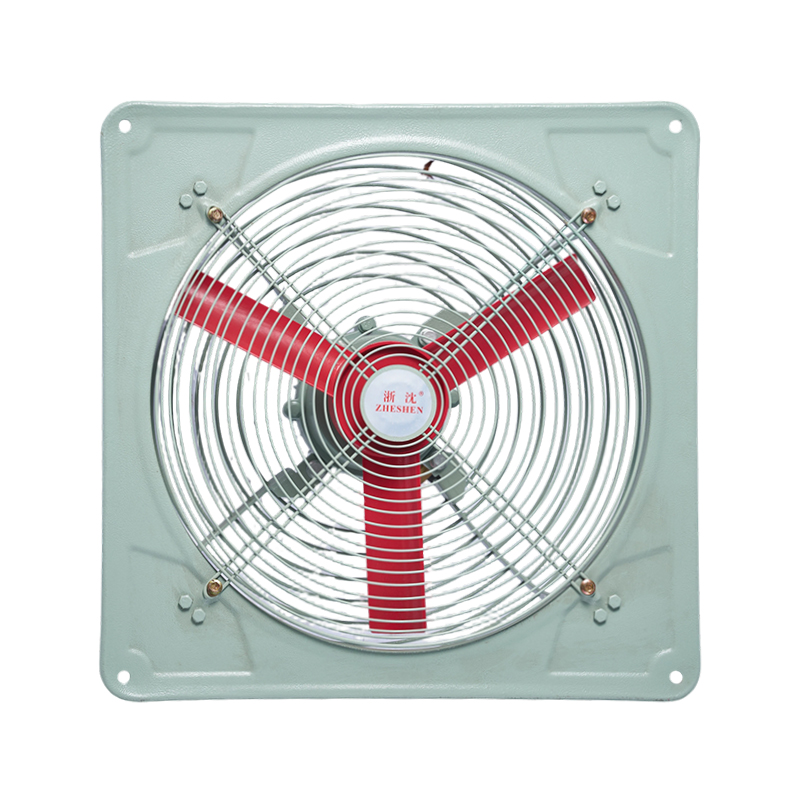
The BPS51 series explosion-proof exhaust fan is suitable for use in hazardous areas classified as Zo...
+ VIEW MORE
Do you have questions? Do not wait, Let's talk!
Products:
Contact Us
- Tel/Whatsapp:+86-13586259916
- Tel:+86-15825511111
- Email: [email protected]
- Add:Jin'ao Industrial Zone, Shanshi, Daxi Town, Wenling City, Zhejiang Province
Mobile
Copyright ©
Zhejiang Shenli Explosion proof Electromechanical Co., Ltd.
All rights reserved

