
 English
  中文简体
中文简体  Français
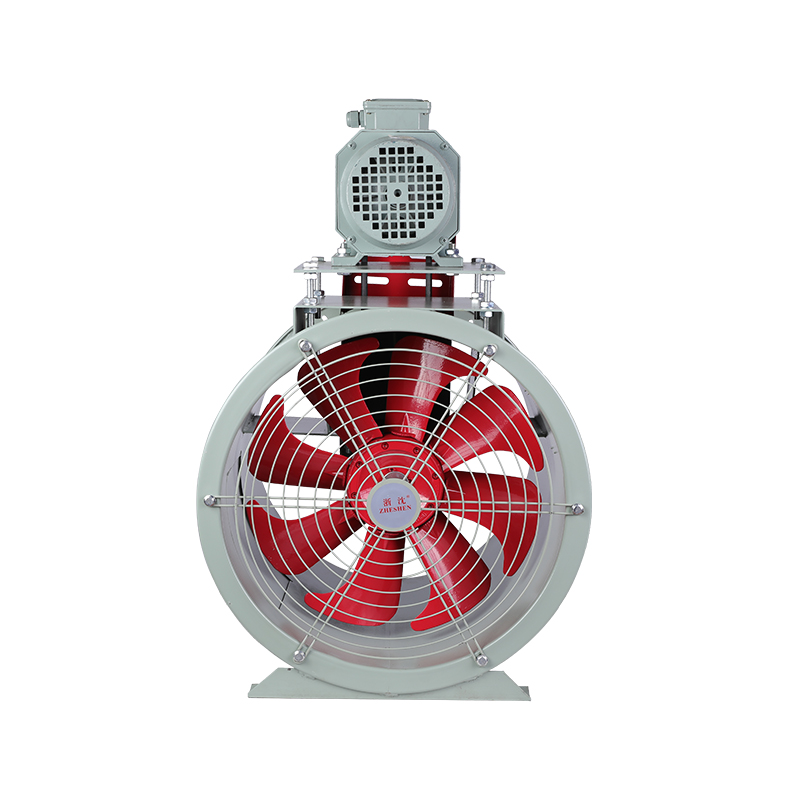
 The Model T40 axial-flow fan is suitable for general ventilation and air exchange in factories, ware...
+ VIEW MORE
Why Choose an Explosion Proof Air Blower for Safe Industrial Ventilation
Deliver multiple validated explosion-proof fan solutions
Ventilation systems in industrial spaces are often installed in areas where air conditions are not stable or fully controlled. In some layouts, airflow equipment sits close to process equipment, storage zones, or transfer lines where vapors or fine particles may appear during normal work cycles. In these situations, the design focus is not only airflow delivery but also how the equipment behaves when surrounding conditions are less predictable.
An Explosion Proof Air Blower is typically used in this kind of setting because the airflow system itself is treated as part of the safety environment. Rather than assuming the surroundings are fully controlled, the equipment is designed with the idea that external conditions may change during operation.
In practice, engineers often look at factors such as installation proximity, airflow routing complexity, and how long the system needs to run continuously. These elements influence whether a standard ventilation unit is sufficient or whether a more controlled structure is needed.
What Makes an Explosion Proof Air Blower Suitable for Hazardous Industrial Environments
The suitability of this type of blower is not based on airflow capacity alone. It is more related to how internal components are separated from the surrounding atmosphere and how energy sources are managed inside the housing.
In many industrial cases, the external environment cannot be treated as stable. Gas traces or dust presence may fluctuate depending on production stages or ventilation cycles. Because of this, the internal structure of the equipment becomes more relevant than external conditions.
In general terms, the design behavior focuses on a few practical points
- internal electrical parts remain isolated from direct exposure
- mechanical movement is kept within controlled enclosure limits
- heat generated during operation is distributed across the housing rather than concentrated
- materials are selected to reduce risk of unintended friction effects
| Aspect | General ventilation unit | Explosion protected blower type |
|---|---|---|
| Component exposure | More direct interaction with air | Separated internal structure |
| Thermal behavior | Localized heating may occur | Spread across enclosure surface |
| Environmental tolerance | Controlled surroundings | Variable surroundings |
| Mechanical contact risk | Standard clearance design | Tighter controlled spacing approach |
In real installations, the decision often depends on how closely the ventilation system is positioned to process areas rather than theoretical airflow performance.
How Explosion Proof Air Blowers Work in Gas and Dust Atmospheres with Safety Control Design
When airflow systems operate in gas or dust environments, the surrounding medium becomes part of the working condition. The behavior of the system is therefore influenced not only by internal mechanics but also by what is present in the air stream.
Inside this type of blower, airflow is guided through a contained path where rotating parts do not directly interact with external particles. This separation reduces direct contact between mechanical motion and potentially reactive elements in the environment.
Operation in gas environments tends to involve vapor presence around equipment surfaces, while dust environments introduce concerns about accumulation and suspension inside ducts. These two conditions do not behave in the same way, even though both affect airflow stability.
In field use, several operational factors tend to matter
- whether airflow remains stable under changing load conditions
- how internal temperature spreads during longer operation periods
- whether dust buildup inside ducts influences flow resistance
- how consistently rotation remains under varying external density conditions
The system is generally designed to maintain predictable mechanical behavior even when surrounding air composition is not constant.
Which Explosion Proof Standards Should Be Considered When Selecting an Air Blower System
Selection of ventilation equipment for hazardous environments is usually guided by classification systems that describe the level of environmental exposure. These systems do not change the mechanical design directly but influence how equipment is categorized for use.
In practical selection work, engineers usually compare expected installation conditions with equipment classification boundaries. The focus is less on terminology and more on whether the equipment behavior aligns with the actual environment.
Key evaluation points often include
- whether gas or dust is expected in normal operation or only occasionally
- how frequently the ventilation system runs under load
- how enclosed or open the installation area is
- whether airflow passes through multiple connected zones
An Explosion Proof Air Blower is typically matched to environments where exposure cannot be fully eliminated through layout design alone. In such cases, classification systems serve as a reference framework rather than the only decision factor.
How Static Electricity Control Is Managed in Explosion Proof Air Blower Systems
Static electricity in airflow systems does not always appear in a consistent way. It can develop gradually depending on duct length, airflow speed, material contact surfaces, and how the system is assembled in the field.
In some installations, charge buildup is barely noticeable. In others, especially where airflow changes direction or passes through extended duct sections, accumulation may become more relevant.
For this type of blower system, static control is usually addressed through structural and material decisions rather than a single protective component. Common approaches include grounded pathways integrated into the housing and conductive continuity across connected parts.
Material selection also contributes, but its effect is influenced by installation quality and system layout. Even small assembly gaps or inconsistent grounding connections can alter how charge is released during operation.
In field conditions, static behavior is not always linear, which is why installation details often matter as much as design specifications.
How Temperature Classification Affects the Performance of Explosion Proof Air Blower Equipment
Temperature behavior in ventilation equipment is not only a design parameter but something that becomes visible during real operation. In many industrial layouts, the same unit can feel different depending on how the space is built around it. A more enclosed installation tends to hold heat around the housing longer, while open areas allow it to dissipate without much accumulation.
For an Explosion Proof Air Blower, temperature classification is less about improving output and more about keeping the surface condition stable during continuous running. The motor naturally generates heat, and that heat does not disappear evenly in every setup. In some cases, dust in the surrounding air can also influence how quickly the surface cools down.
What often matters in practice
- how the housing behaves after long running periods rather than at startup
- whether nearby structures trap heat around the unit
- how airflow resistance changes internal temperature balance
- whether operation is steady or repeatedly started and stopped
There is usually no single thermal pattern that fits all installations. Even units with similar specifications can behave differently once installed in different layouts.
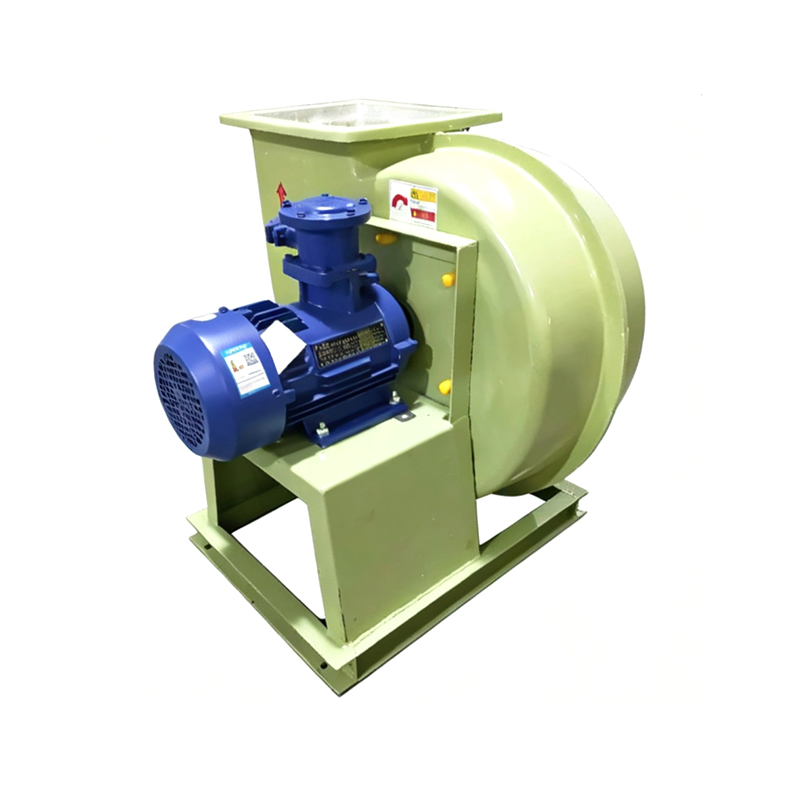
Where Explosion Proof Air Blowers Are Commonly Used in Industrial Ventilation Applications
In real facilities, ventilation equipment rarely operates in a clean separation from production activity. It is usually placed where air movement is needed the most, which often means close to processes that generate vapor or fine particles.
An Explosion Proof Air Blower is typically used in areas where air conditions change during operation rather than staying constant. These changes may come from material handling, transfer steps, or temporary release of airborne substances.
Common situations include
- zones where liquids are handled and vapors may appear during transfer
- areas with surface treatment processes where particles stay suspended for a period of time
- storage locations where air exchange is required but not always uniform
- enclosed working spaces where ventilation is part of the general layout rather than a separate system
In many of places, airflow equipment is not isolated from the process environment. It becomes part of the same air path that it is trying to control.
What Installation Considerations Matter for Explosion Proof Air Blowers in Restricted Spaces
Space limitations change how ventilation systems behave more than people often expect. When ducts need to turn sharply or pass through narrow paths, airflow does not move in a perfectly smooth way. Resistance builds up in certain sections, and that can influence how the blower responds during operation.
For this type of equipment, placement is not just about where it fits physically but how the air path develops after installation. A small change in position can shift how air enters or leaves the system, especially when multiple bends or segments are involved.
Points that usually come up during installation
- how far the unit sits from the main airflow outlet
- whether duct routing forces repeated direction changes
- how easy it is to reach the unit for routine inspection
- whether surrounding structures limit heat dispersion around the housing
In compact environments, maintenance access is sometimes overlooked at the beginning but becomes relevant later. If access is limited, even simple checks can take longer than expected.
How to Evaluate Long Term Operation Stability of an Explosion Proof Air Blower System
Long term behavior of ventilation equipment is rarely constant. It shifts slowly based on how the system is used and how the surrounding environment interacts with it. Instead of looking for a fixed condition, it is more practical to observe how stable the operation remains over time.
Mechanical parts inside the system gradually adjust to load and runtime. Bearings may develop slight changes in motion, and airflow resistance can vary depending on how ducts accumulate dust or how frequently the system runs.
In field use, stability is often judged through patterns such as
- whether vibration remains within a consistent range during extended operation
- whether airflow output feels steady under similar working conditions
- whether temperature distribution across the housing changes noticeably over time
- whether sound characteristics shift in a way that suggests mechanical imbalance
An Explosion Proof Air Blower is usually expected to behave in a predictable range rather than maintaining identical output at all times. Small variations are normal in real environments. What matters more is whether those variations stay gradual and do not suddenly change system behavior.
Related Product
-
-
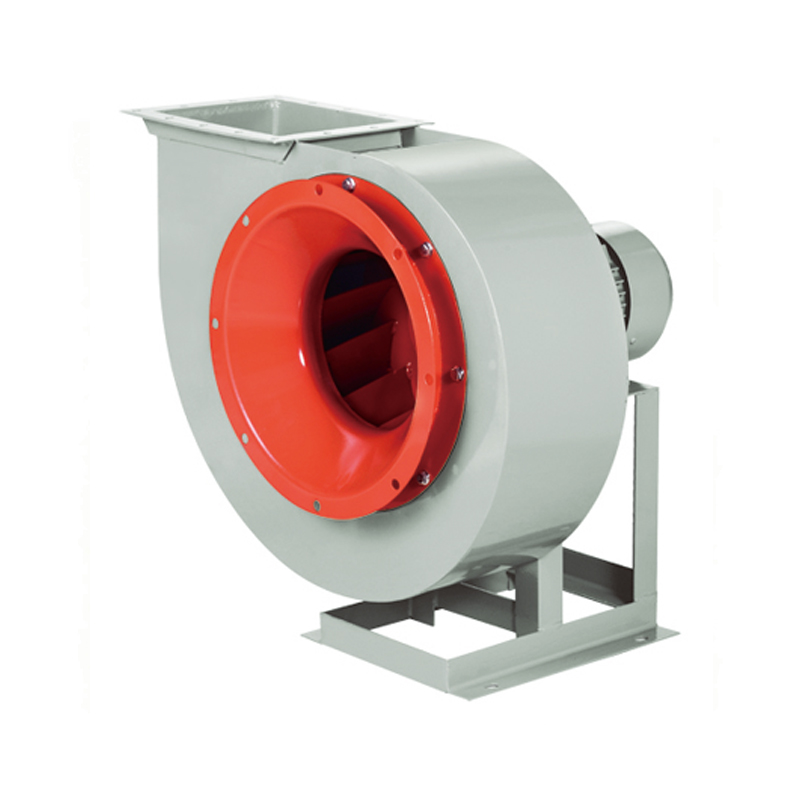
The Model 4-68 Centrifugal Ventilator is suitable for indoor ventilation and air exchange in general...
+ VIEW MORE -
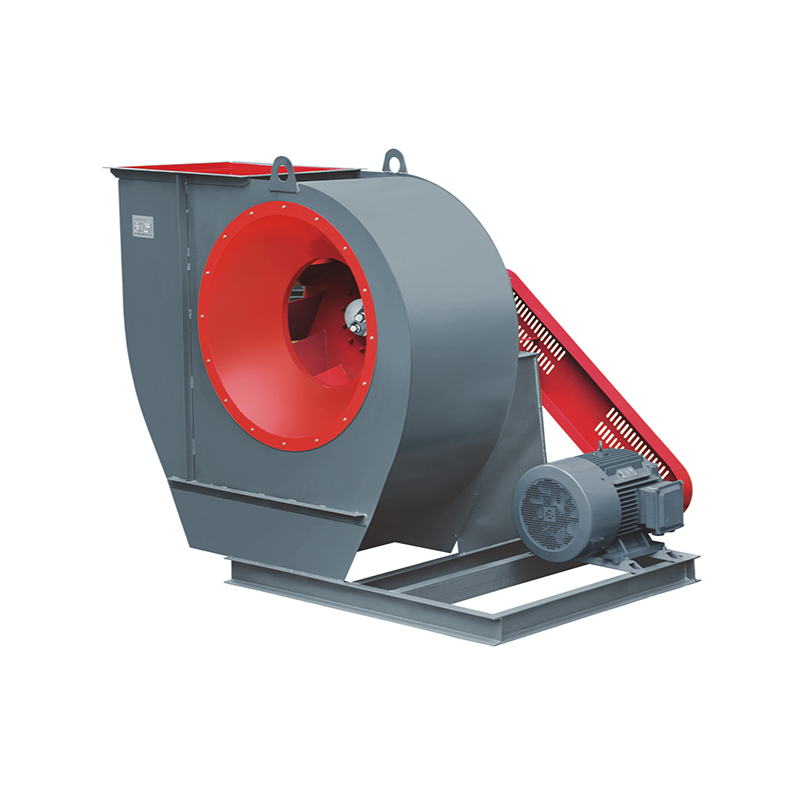
The Model 4-72C centrifugal ventilator is designed to convey air and other gases that are non-flamma...
+ VIEW MORE -
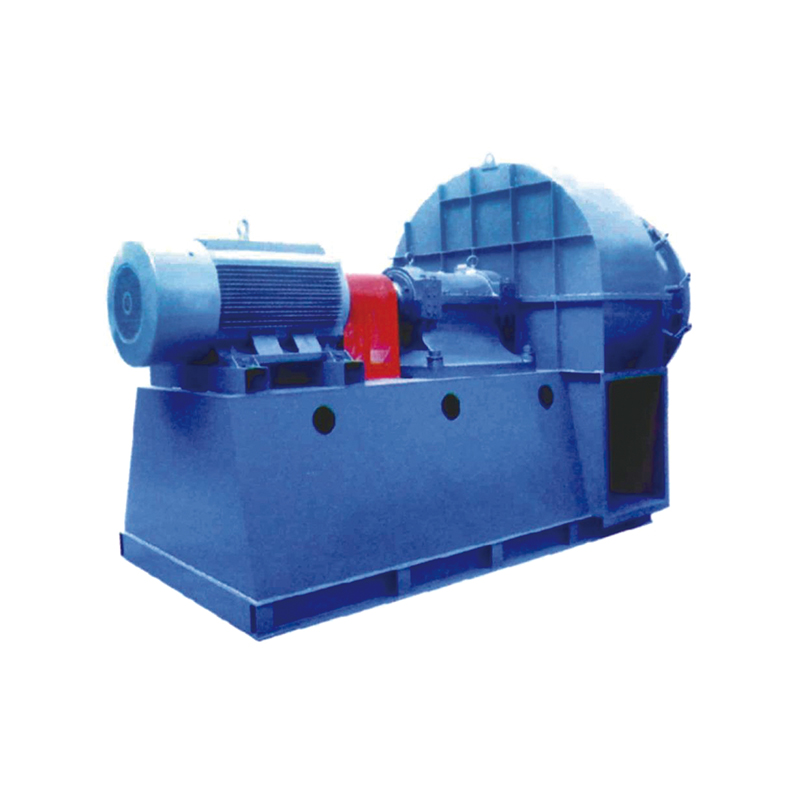
The G4-73 and Y4-73 series forced and induced draft fans are suitable for use in the draft systems o...
+ VIEW MORE -
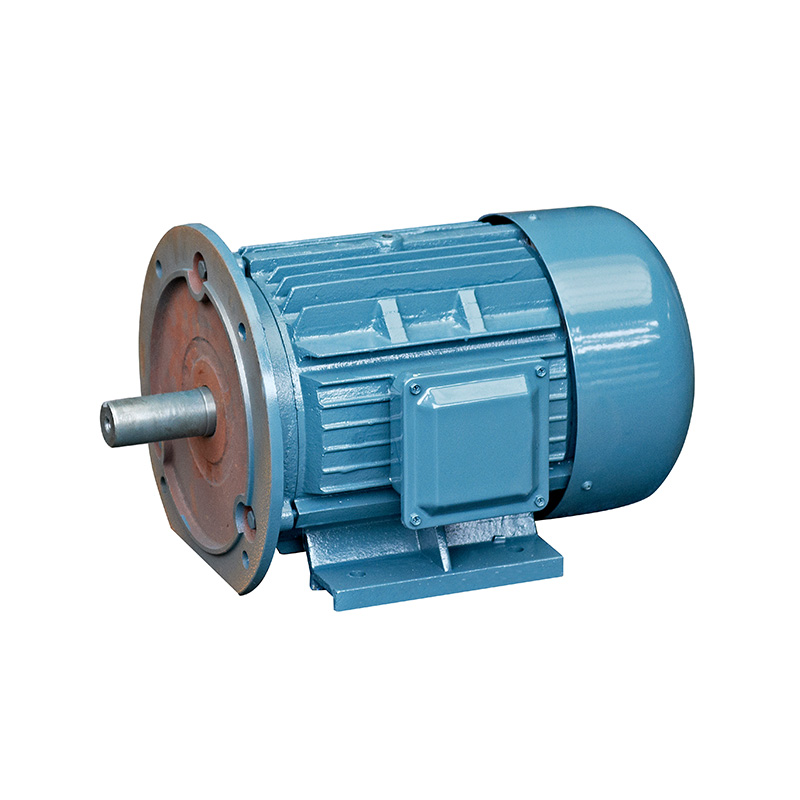
The YE4 series of ultra-high-efficiency three-phase asynchronous motors is a new, upgraded, and high...
+ VIEW MORE -
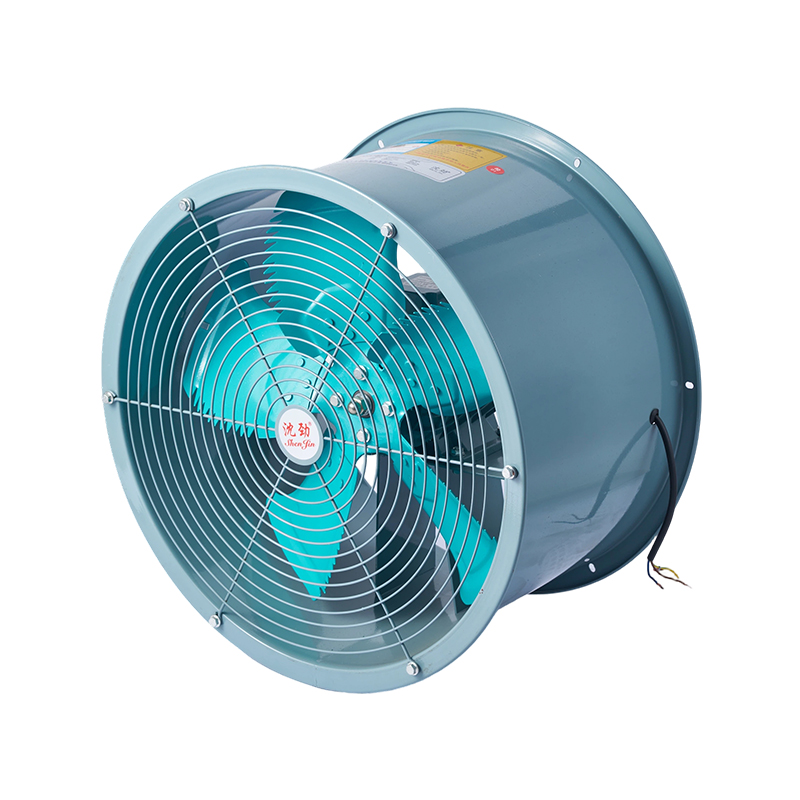
The SF series of high-airflow axial fans, designed specifically for kitchen applications, offers a s...
+ VIEW MORE
Do you have questions? Do not wait, Let's talk!
Products:
Contact Us
- Tel/Whatsapp:+86-13586259916
- Tel:+86-15825511111
- Email: [email protected]
- Add:Jin'ao Industrial Zone, Shanshi, Daxi Town, Wenling City, Zhejiang Province
Mobile
Copyright ©
Zhejiang Shenli Explosion proof Electromechanical Co., Ltd.
All rights reserved

