
 English
  中文简体
中文简体  Français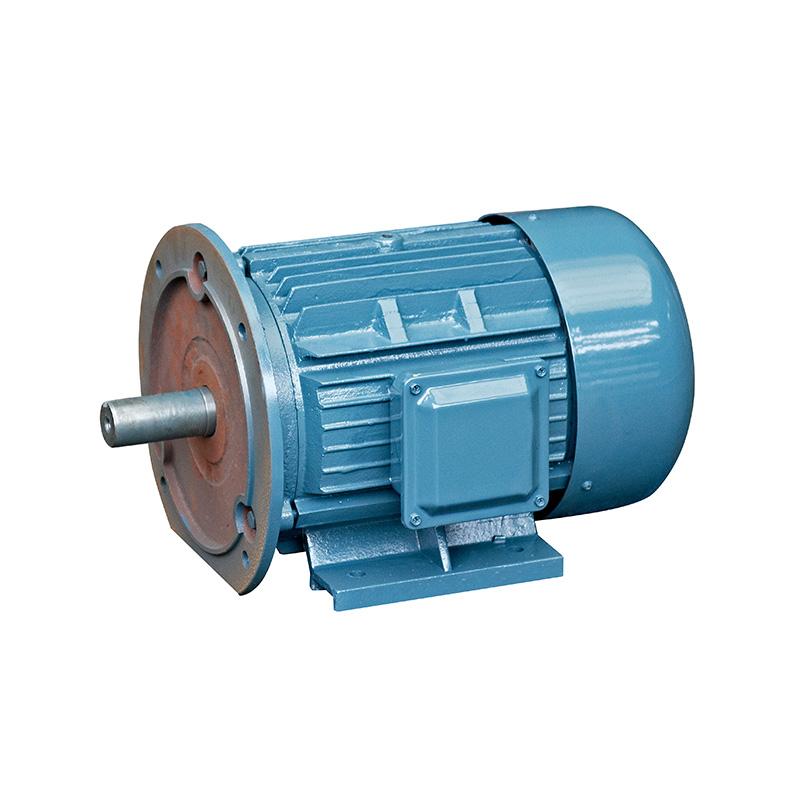
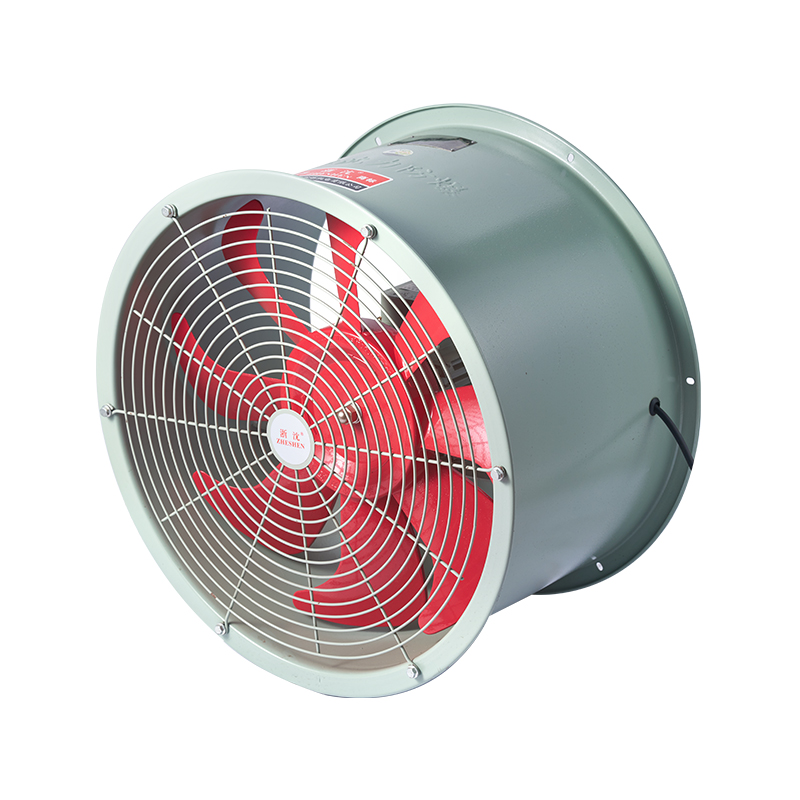
The T35-11, BT35, and FT35 series axial flow fans serve as replacements for the 30K4 series. The T35...
+ VIEW MORE
How Does an Asynchronous Motor Factory Operate and What Matters Most
Deliver multiple validated explosion-proof fan solutions
An Asynchronous Motor Factory is usually not a single linear operation, but a set of connected workshops where metal, copper, and insulation materials slowly become a rotating electrical unit. The flow is continuous, but not perfectly uniform, since each stage tends to adjust slightly based on the condition of parts coming from the previous step.
Most of the time, the work is not about isolated processes. It is about how each section reacts to what arrives in front of it. A change in core quality can shift winding behavior. A small deviation in rotor balance can affect final assembly alignment. This kind of dependency shapes how the entire system is arranged.
What Defines the Structure of an Asynchronous Motor Factory From Raw Material to Final Assembly
The structure inside an Asynchronous Motor Factory is usually built around material movement rather than fixed departments. Components do not stay in one place for long. They pass through shaping, forming, and assembly zones in a steady flow.
Early stages are mostly material handling and preparation. Steel sheets are stacked and pressed into core shapes, then transferred forward. Copper wire preparation follows a similar rhythm, where material is prepared in batches and fed into winding stations.
Middle stages feel more mechanical. Core stacking, slot preparation, and winding insertion happen in a sequence where timing matters more than appearance. If one stage slows down, everything behind it adjusts naturally.
Final sections are where parts start to behave like a complete system. Rotor placement, housing alignment, and shaft fitting are handled in a tighter space where precision becomes more noticeable.
| Stage Area | Main Activity | Output State |
|---|---|---|
| Material Input | Cutting and preparation of steel and copper | Usable raw components |
| Core Forming | Pressing and stacking magnetic layers | Structured core body |
| Winding Area | Inserting conductive coils | Electrically active stator |
| Rotor Area | Casting and balancing rotating part | Stable rotating unit |
| Assembly Area | Fitting housing and alignment | Completed motor unit |
What Materials Influence Motor Production Performance
Material behavior inside an Asynchronous Motor Factory is not only about selection, but also about how each material reacts during processing.
Magnetic steel tends to change slightly during pressing and stacking. If the surface quality varies, later steps need adjustment. Copper wire is more sensitive during winding because tension and placement can shift electrical behavior later in operation.
Rotor materials also bring different processing characteristics. Aluminum tends to respond quickly during casting, while copper-based structures require more controlled handling during shaping.
Insulation layers are often overlooked, but they quietly affect how stable the motor behaves under heat and vibration.
Some material-related factors often checked during production:
- surface condition after pressing or cutting
- wire tension consistency during winding
- rotor symmetry after balancing
- insulation coverage between conductive parts
These points are not isolated checks. They influence each other as components move forward in the line.
How Asynchronous Motors Are Manufactured Inside a Modern Production Line Environment
Inside an Asynchronous Motor Factory, the production line is usually arranged to reduce unnecessary backtracking of components. Parts move forward step by step, but not always at the same speed.
Core sections are formed first. Steel sheets are pressed, stacked, and fixed into a stable structure. After that, they move into winding stations where copper is inserted into predefined slots.
Rotor processing runs in parallel in many setups. Casting or assembly happens separately, then the rotor is balanced before joining the stator section.
What makes the line environment interesting is the interaction between stages. If rotor balancing takes longer, stator components may wait in buffer zones. If winding output changes, downstream assembly adjusts spacing and handling.
This kind of flow is less about strict timing and more about coordination between connected processes.
How Winding Methods Affect Efficiency and Reliability in Asynchronous Motor Factory Output
Winding inside an Asynchronous Motor Factory is one of the most sensitive operations because it directly shapes electrical behavior.
Copper placement inside stator slots is not only about filling space. It affects how current spreads and how heat moves during operation. If winding tension is uneven, small hot zones can appear later during use.
Different winding approaches change the internal structure in subtle ways. Machine-assisted winding tends to keep spacing consistent, while manual processes depend more on operator control.
Some common influences of winding behavior:
- how evenly current flows through conductors
- how heat spreads across stator sections
- how stable insulation remains under repeated load
- how vibration affects coil position over time
Winding is often adjusted during production based on feedback from earlier batches, especially when temperature behavior shows small variations.
Which Rotor Design Choices Are Used in Different Asynchronous Motor Factory Applications
Rotor choices in an Asynchronous Motor Factory usually come down to how stable the forming process is and how the motor is expected to behave once installed.
In practice, cast aluminum rotors are often used because the process fits a continuous flow. Molten material is poured, cooled, then moved directly into machining and balancing. The workflow is straightforward, which helps keep production moving without too many interruptions.
Copper rotor structures appear in more specific setups. They take more control during forming and finishing, so they are not always chosen for high-volume lines. Still, they are considered when electrical behavior needs a different balance under load.
What usually gets checked is not the material alone, but how the rotor behaves after machining. Small asymmetry or uneven density can show up later as vibration or noise.
Typical points considered in rotor selection:
- how stable the casting process is during shaping
- how much correction is needed during balancing
- how it fits with stator slot geometry
- how it reacts when load changes
How Quality Control Is Applied Across Every Stage of Asynchronous Motor Factory Production
Quality control inside an Asynchronous Motor Factory is not something placed at the end of the line. It tends to sit inside the process itself, appearing at different points depending on the stage.
At the material entry stage, inspection is usually simple but important, focusing on whether steel and copper materials meet basic forming conditions. Once core stacking begins, attention shifts to alignment and whether layers sit evenly under pressing force.
Winding brings a different type of check. Here, spacing and insulation coverage matter more than appearance. Rotor processing then adds balance checks, since even small deviation can affect rotation later.
By the time parts reach final assembly, checks become more system-based. Fit between housing and rotating parts, along with smoothness during manual spin tests, often reveals earlier variations.
Common checkpoints across production:
- incoming material condition before processing
- stacking alignment during core forming
- coil placement during winding
- rotor balance after machining
- fit and movement during final assembly
Why Energy Efficiency Levels Matter in Manufacturing Decisions
Energy behavior in an Asynchronous Motor Factory product is not decided in a single step. It slowly forms through several linked manufacturing choices.
The core structure affects how magnetic flow moves through the motor. If the steel lamination has slight variation, losses can shift in small ways. Winding layout also plays a role because conductor placement changes how current spreads and heats up.
Rotor structure adds another layer. If the rotor is not evenly formed or balanced, mechanical resistance can increase slightly during rotation. These small effects combine rather than act alone.
Key areas that influence energy behavior:
- consistency of magnetic core assembly
- uniformity of copper winding placement
- rotor balance and surface condition
- heat movement inside the housing
Energy performance is usually the result of accumulated small decisions across different stages rather than one design choice.
How Automation Shapes Consistency and Output in an Asynchronous Motor Factory
Automation in an Asynchronous Motor Factory is mainly used to reduce variation in repetitive tasks rather than replace manual work completely.
In winding sections, machines guide copper placement so spacing stays more uniform. During transfer between stations, automated systems move parts without unnecessary handling, which helps reduce small surface changes caused by contact.
Rotor balancing also benefits from automated adjustment tools, especially when fine correction is needed. Still, some steps remain operator-driven because materials do not always behave the same way from batch to batch.
Where automation is most visible:
- coil winding placement control
- movement of parts between stations
- rotor balance correction steps
- assisted inspection and measurement
| Area | Automation Role | Practical Effect |
|---|---|---|
| Winding section | guides wire placement | more even coil structure |
| transfer system | moves components | fewer handling marks |
| rotor balancing | assists correction | smoother rotation behavior |
| inspection stage | supports checking | more stable measurement results |
Automation here is less about speed and more about keeping variations within a manageable range.
At the coordination level of production and application context, Zhejiang Shenli Explosion proof Electromechanical Co., Ltd. is referenced in relation to industrial motor manufacturing scenarios where these process considerations are commonly applied.
Related Product
-
-
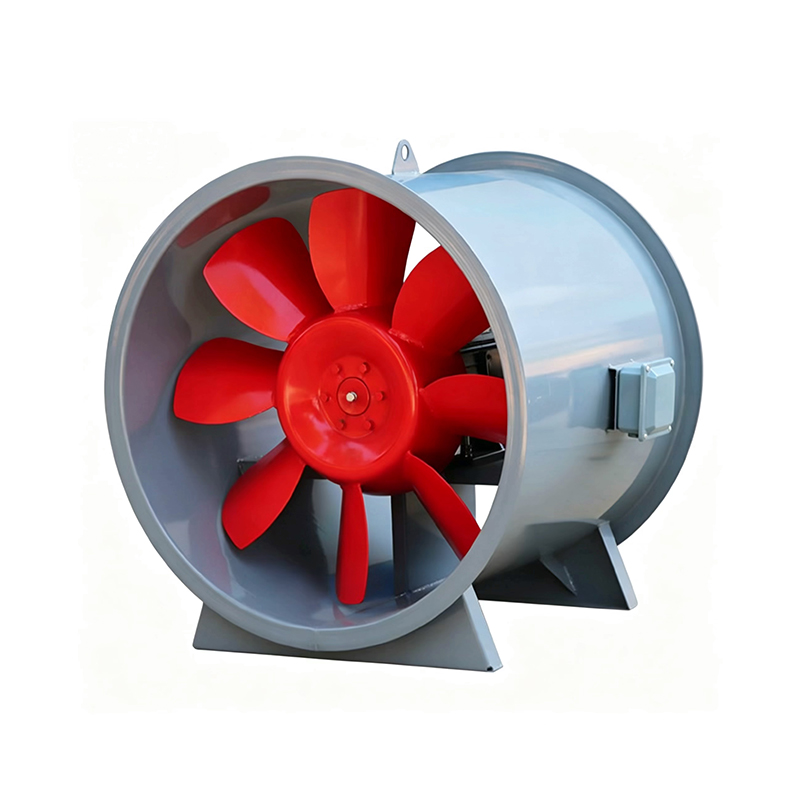
The SWF-I mixed-flow ventilator is a novel type of fan that bridges the gap between axial-flow and c...
+ VIEW MORE -
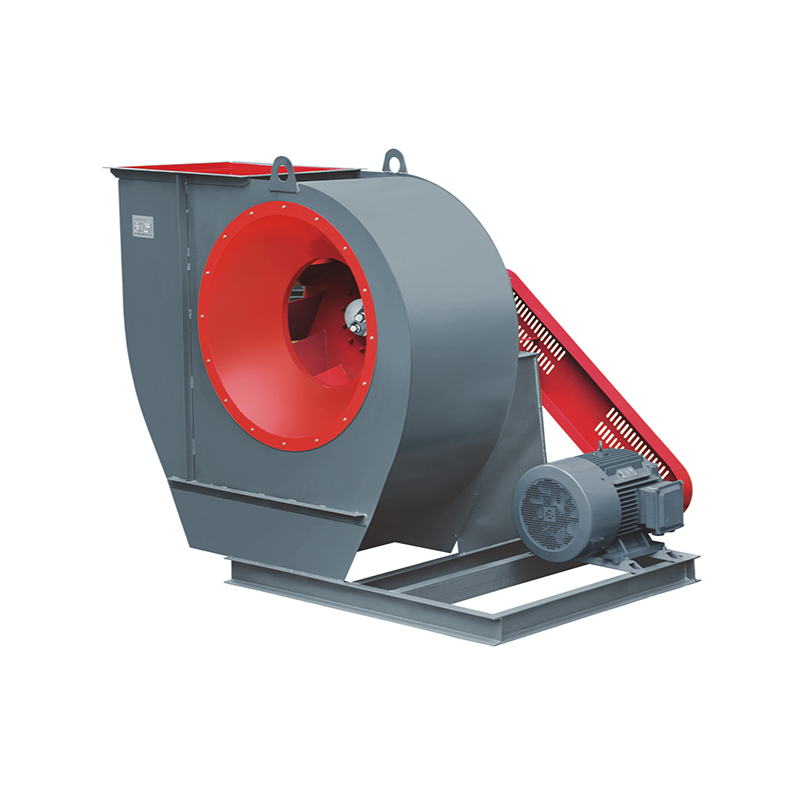
The Model 4-72C centrifugal ventilator is designed to convey air and other gases that are non-flamma...
+ VIEW MORE -
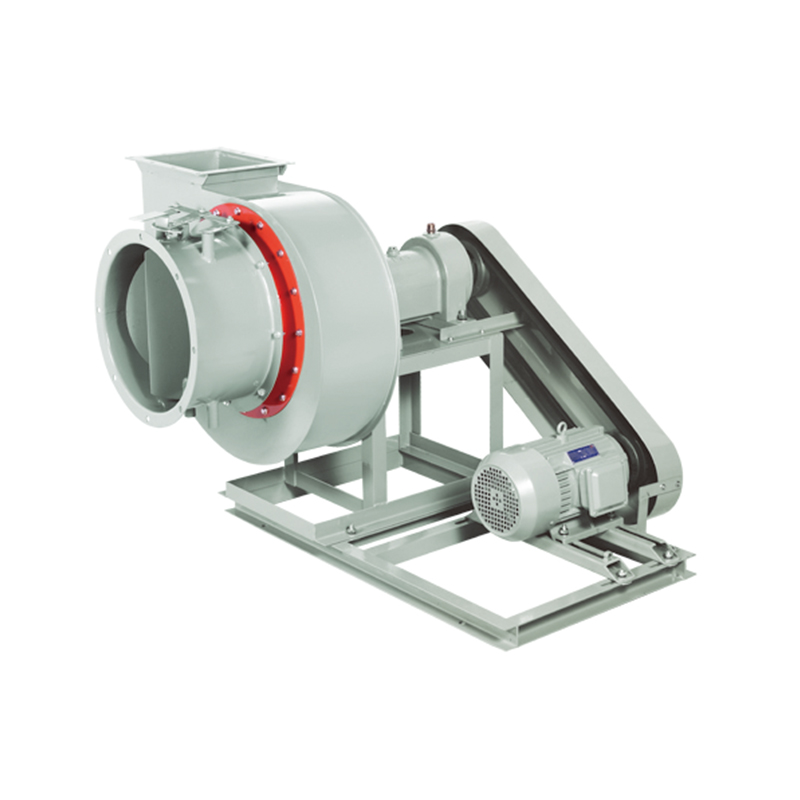
The Model Y5-47 boiler centrifugal induced-draft fan features low noise levels, a simple structure, ...
+ VIEW MORE -
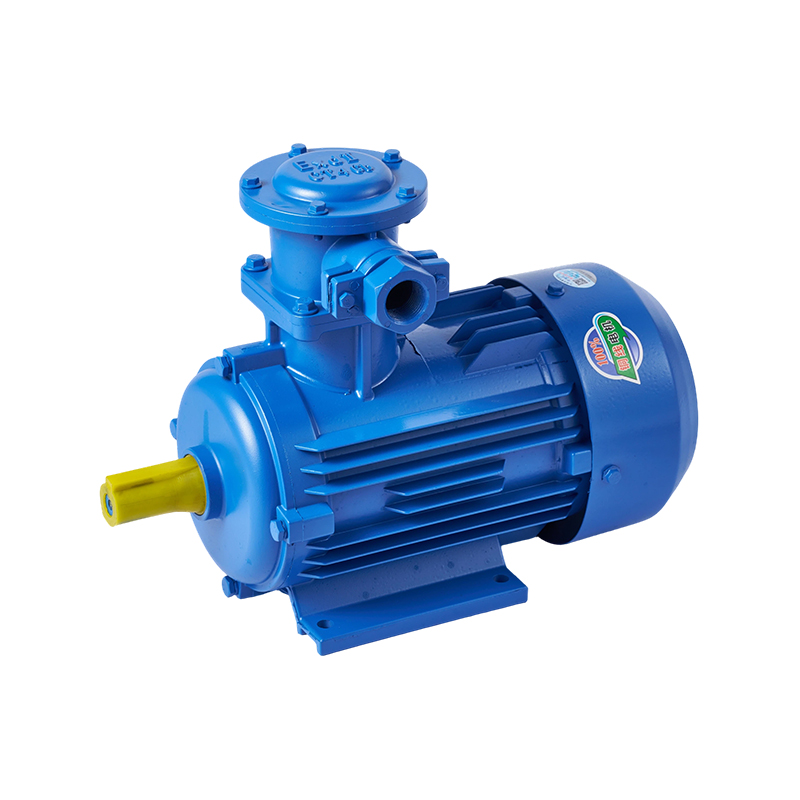
The YBX3 series of high-efficiency, flameproof, three-phase asynchronous motors is a fully enclosed,...
+ VIEW MORE -
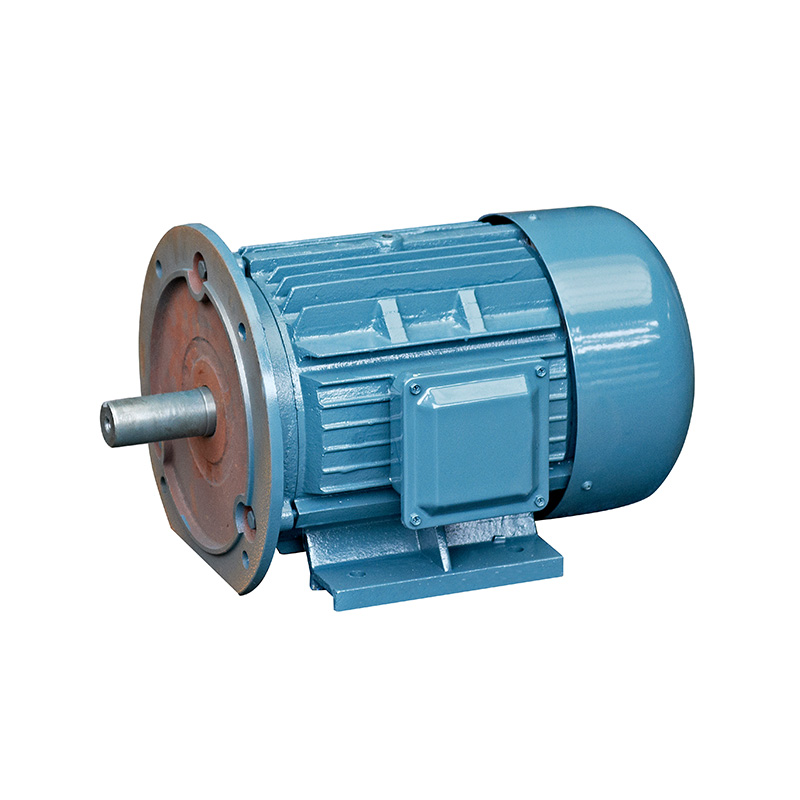
The YE4 series of ultra-high-efficiency three-phase asynchronous motors is a new, upgraded, and high...
+ VIEW MORE
Do you have questions? Do not wait, Let's talk!
Products:
Contact Us
- Tel/Whatsapp:+86-13586259916
- Tel:+86-15825511111
- Email: [email protected]
- Add:Jin'ao Industrial Zone, Shanshi, Daxi Town, Wenling City, Zhejiang Province
Mobile
Copyright ©
Zhejiang Shenli Explosion proof Electromechanical Co., Ltd.
All rights reserved

