
 English
  中文简体
中文简体  Français
 The CTF series low-noise axial flow fan represents a new generation of low-noise ventilation product...
+ VIEW MORE
What Determines the Performance of a Low Noise Industrial Fan
Deliver multiple validated explosion-proof fan solutions
Sound control in industrial equipment is rarely shaped by one detail alone. It usually comes from several small choices working together, such as how air moves, how the blades are shaped, how the unit is mounted, and how the system is operated. In real use, a Low Noise Industrial Fan is not judged in open space. It is judged inside a cabinet, a duct, a machine, or another working environment where resistance, vibration, and airflow path all affect the result.
That is why quiet operation and practical performance should be treated as one topic. A fan may move air well but still sound uneven if the flow is disrupted. It may also sound calm at one setting and less stable at another. The real question is how the design behaves once it is placed in a working system.
| Factor | What it changes | Why it matters |
|---|---|---|
| Air path | Sound character | Smooth flow can reduce irregular noise |
| Blade shape | Flow stability | Affects how evenly air is handled |
| Operating control | Sound pattern | Helps match changing demand |
| Mounting method | Vibration transfer | Influences how sound spreads nearby |
How Blade Structure Influences Airflow Stability in a Low Noise Industrial Fan
Blade structure sets the tone for everything that follows. A small change in angle, spacing, or edge shape can alter how air enters the unit and how it leaves it. That change may seem minor on paper, but in actual use it can affect sound, pressure behavior, and the feeling of steadiness.
When the blade layout guides air in a smoother way, the movement often feels less abrupt. When the air meets sharp transitions, the sound can become rougher or more active. That does not mean one shape is always right for every job. It means the blade needs to match the working condition, not just the visual design.
A few points are worth noting:
- Blade angle affects how easily air is pulled in.
- Spacing between blades can influence how pressure is shared.
- Edge shape can change how cleanly air leaves the surface.
- Overall balance affects whether the unit feels steady or strained.
For a Low Noise Industrial Fan, blade structure is not decoration. It is one of the main reasons the sound feels controlled or uneven during operation.
Why Airflow Turbulence Changes Acoustic Behavior in a Low Noise Industrial Fan
Turbulence appears when air stops moving in a clean path. Instead of traveling in an orderly way, it begins to swirl, shift, or collide with resistance. That change often shows up as a change in sound. The unit may still work, but it may sound sharper, less even, or harder to ignore.
This is common in industrial settings because the fan is rarely installed in free space. It may sit near walls, filters, bends, narrow openings, or other parts that affect how air travels. When the route is tight or uneven, the air can break apart and create a different acoustic pattern.
The sound change is not always dramatic at once. Sometimes it begins as a light shift in tone. Later, it may become more noticeable as the system works harder. In many cases, the fan is not the only source of the sound. The path around it matters just as much.
A useful way to think about it is this:
- Smooth airflow tends to create a steadier sound.
- Restricted airflow often creates a harsher tone.
- Small layout changes can alter the sound more than expected.
- The same unit can sound different in another enclosure.
A Low Noise Industrial Fan performs in relation to its environment. If the air path is unstable, the sound usually becomes less controlled.
How Variable Speed Control Affects Noise Patterns in a Low Noise Industrial Fan System
Speed control changes how the unit behaves across different operating needs. Instead of running at one fixed pace, the fan can shift its output to fit the task. That flexibility often helps reduce unnecessary sound when the system does not need full output.
A fixed pace may be simple, but it can also create extra sound when the load is light. Variable control gives the system a way to adjust. In some conditions, that means a calmer sound profile. In others, it means less stress on the surrounding structure because the unit is not pushing harder than needed.
The effect depends on how the control is used. Sudden changes can create noticeable shifts. Smoother changes often feel easier on the ear and on the system. The goal is not simply to slow the fan. The goal is to keep the operating level closer to what the system actually requires.
Which Installation Methods Help Reduce Vibration Transfer in a Low Noise Industrial Fan
Installation is often the part people notice only after sound becomes a problem. Even a well-built fan can feel louder if vibration moves into the frame, panel, or surrounding housing. Once that happens, the structure can act like a second sound source.
A stable mounting method helps limit that transfer. The fan should be held firmly, but the surrounding parts should not create a rigid path that carries vibration too easily. A poor fit, a loose contact point, or a weak support surface can all increase noise in practice.
| Installation choice | Possible result | Practical effect |
|---|---|---|
| Stable mounting | Less loose movement | Helps reduce rattling |
| Poor alignment | More vibration transfer | Can raise sound nearby |
| Flexible support point | Less direct motion spread | May soften noise travel |
| Weak frame surface | More resonance | Can make the unit seem louder |
A Low Noise Industrial Fan can only stay quiet when the mounting system supports it. The fan and the surrounding structure should work together, not against each other.
Quiet performance is rarely a single feature. It grows from blade layout, airflow condition, control behavior, and installation quality. When those parts line up well, the sound usually feels more controlled and the operation more stable.
Where System Design Choices Influence Sound Reflection in Low Noise Industrial Fan Applications
A fan rarely works alone in open space. It usually sits inside a structure, connected to ducts, panels, or enclosed housings. These surrounding parts do not just guide airflow. They also shape how sound moves after it is created.
In some layouts, sound spreads out and fades without much return. In other cases, it can bounce between surfaces or travel through narrow paths before escaping. This difference often comes from how the system is arranged rather than the fan itself.
System layout decisions can affect this in several ways:
- Distance between the fan and nearby surfaces can change how sound reflects
- Enclosure shape may guide sound toward certain directions
- Openings and gaps can create concentrated escape paths for noise
- Internal channels can carry sound further than expected
Even small adjustments in placement or structure can shift how the acoustic behavior is felt outside the system. A Low Noise Industrial Fan may operate in a similar way, but the surrounding design can make the experience quite different from one installation to another.
| System aspect | What it changes in practice | Result in use |
|---|---|---|
| Wall proximity | Reflection intensity | Sound may feel more present near surfaces |
| Enclosure shape | Sound direction | Noise can be guided rather than dispersed |
| Air path layout | Flow consistency | Affects both airflow and acoustic feel |
| Opening position | Escape route for sound | Can concentrate noise in one direction |
The system around the fan often becomes part of the sound behavior itself. That is why layout decisions carry weight beyond airflow considerations.
What Maintenance Factors Affect Long Term Noise Stability in a Low Noise Industrial Fan
Over time, even a stable system can change in sound behavior. A fan that once ran in a steady way may begin to sound slightly different after long periods of use. These changes are often gradual and not always obvious at the beginning.
One common factor is dust or small particle buildup. When airflow paths become partially affected, the movement of air can feel less smooth. Another factor is mechanical loosening, where small parts slowly shift from their original position. This can introduce small vibration changes that become noticeable in the sound.
Maintenance related changes often show up in a few ways:
- Air movement feels less even than before
- Small vibration sounds appear during operation
- Sound tone changes slightly under similar load
- The fan response feels less stable over time
A Low Noise Industrial Fan relies on consistent physical conditions. When those conditions shift, the acoustic behavior usually shifts with them.
| Maintenance factor | What changes internally | How it may be heard |
|---|---|---|
| Dust accumulation | Air passage restriction | Slight change in flow sound |
| Loose fittings | Small vibration paths | Light rattling or irregular tone |
| Surface wear | Contact stability | Less consistent operation sound |
| Irregular cleaning | Flow consistency | More variation in sound pattern |
Regular attention to these points does not change the design of the fan, but it helps keep its operating condition closer to its original balance.
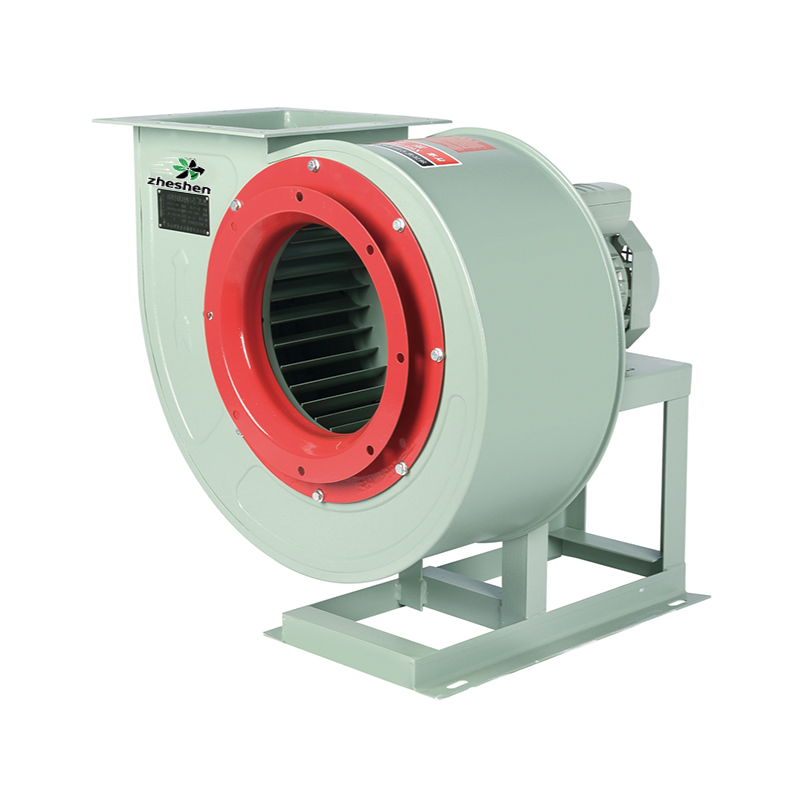
Why Material Selection Matters for Acoustic Performance in a Low Noise Industrial Fan
The materials used in a fan structure do more than provide strength. They also influence how vibration travels through the unit and how sound is released into the surrounding space. Two fans with similar shapes can still behave differently if the material response is not the same.
Some materials tend to hold vibration more tightly, while others spread it in a different way. That difference affects how sound is felt during operation. It is not always visible, but it can be noticeable in longer use.
Material behavior often shows itself in a few areas:
- How the structure reacts when the fan is under load
- How vibration moves from one part to another
- How stable the shape remains during operation
- How surface conditions interact with airflow
These effects do not work in isolation. They combine with design, installation, and operating conditions. A Low Noise Industrial Fan depends on all of these factors working together, rather than a single material choice.
| Material factor | Operational influence | Acoustic effect |
|---|---|---|
| Structural rigidity | Vibration transmission | Can affect how sound spreads |
| Surface texture | Air interaction | May change airflow smoothness |
| Weight balance | Rotational stability | Influences vibration level |
| Wear resistance | Long term condition | Helps maintain consistent sound |
In long-term use, material stability often becomes more noticeable. When the structure remains consistent, the sound behavior tends to stay closer to its original pattern.
Related Product
-
-
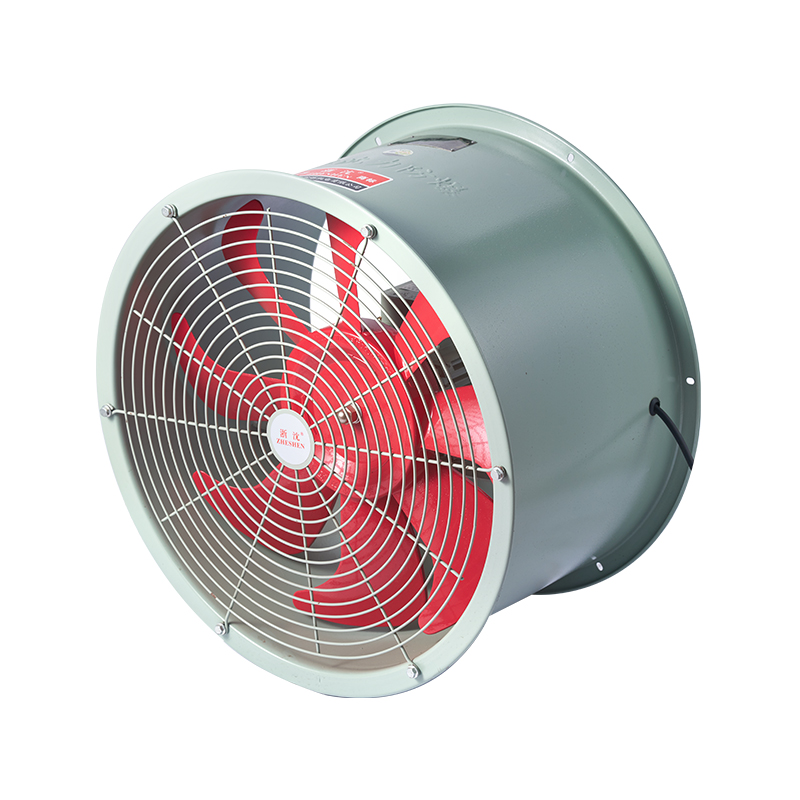
The T35-11, BT35, and FT35 series axial flow fans serve as replacements for the 30K4 series. The T35...
+ VIEW MORE -
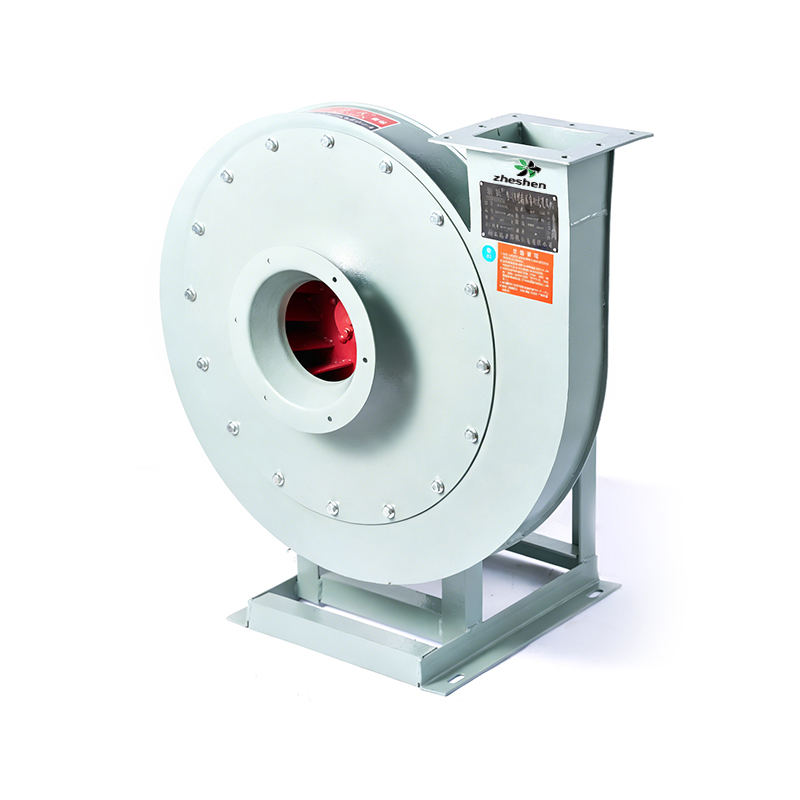
The Models 9-19 and 9-26 high-pressure centrifugal ventilators are widely utilized for conveying mat...
+ VIEW MORE -
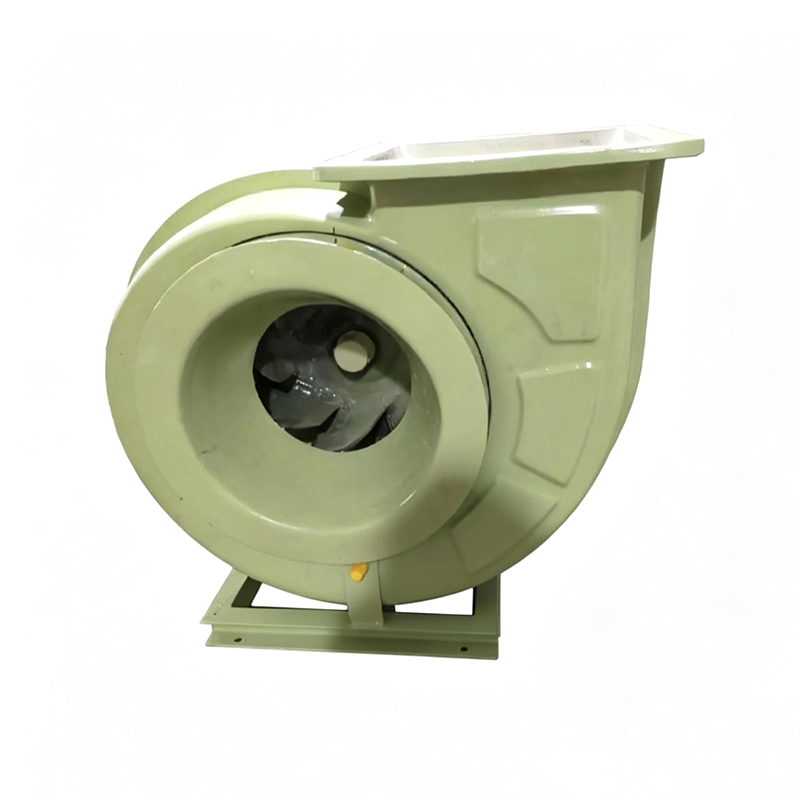
The Model 4-72 series plastic centrifugal ventilators manufactured by our factory are meticulously c...
+ VIEW MORE -
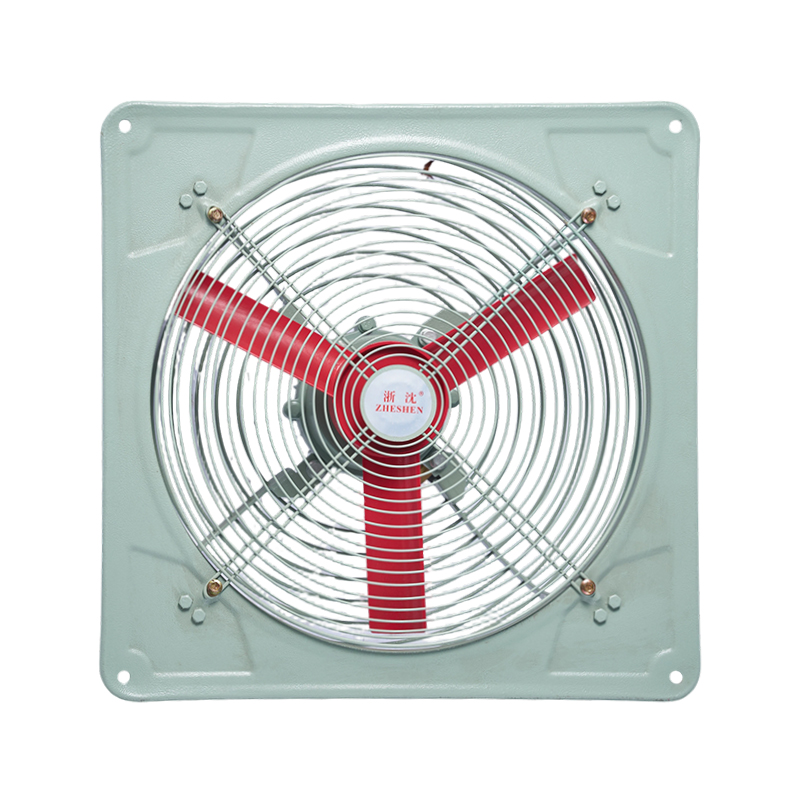
The BPS51 series explosion-proof exhaust fan is suitable for use in hazardous areas classified as Zo...
+ VIEW MORE -
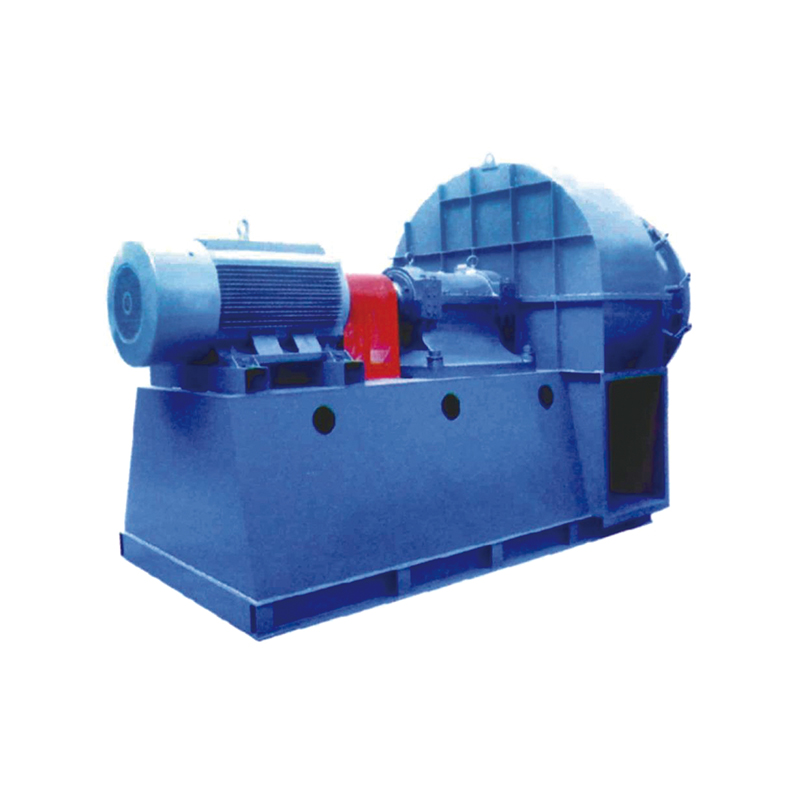
The G4-73 and Y4-73 series forced and induced draft fans are suitable for use in the draft systems o...
+ VIEW MORE
Do you have questions? Do not wait, Let's talk!
Products:
Contact Us
- Tel/Whatsapp:+86-13586259916
- Tel:+86-15825511111
- Email: [email protected]
- Add:Jin'ao Industrial Zone, Shanshi, Daxi Town, Wenling City, Zhejiang Province
Mobile
Copyright ©
Zhejiang Shenli Explosion proof Electromechanical Co., Ltd.
All rights reserved

