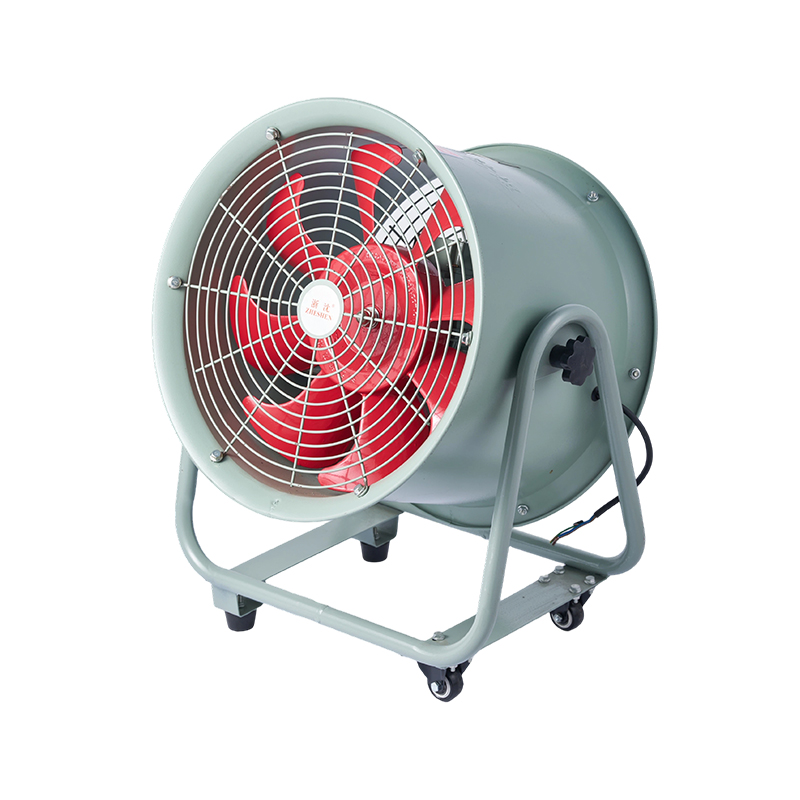
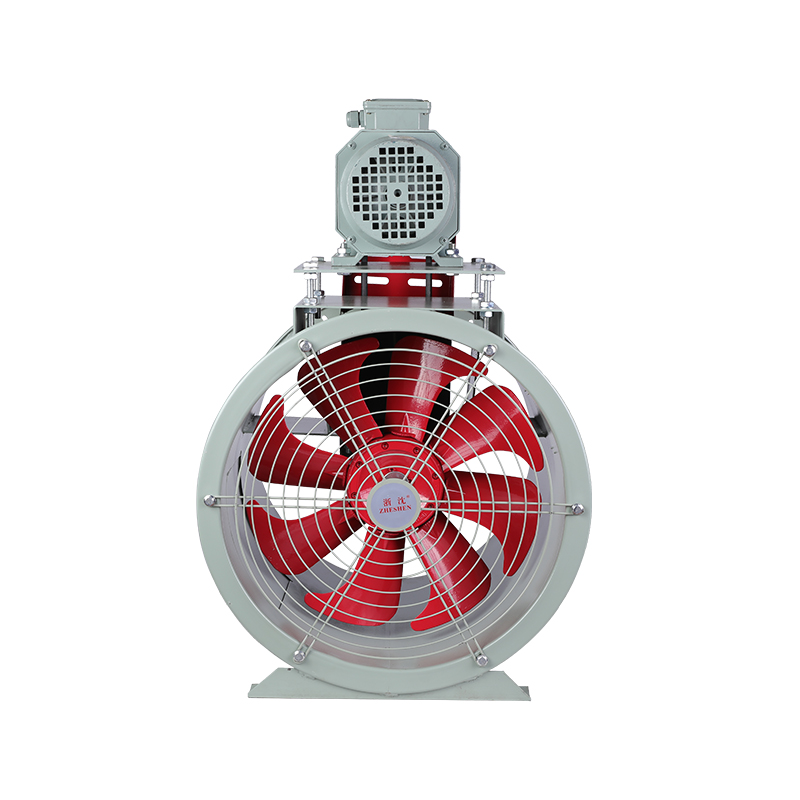
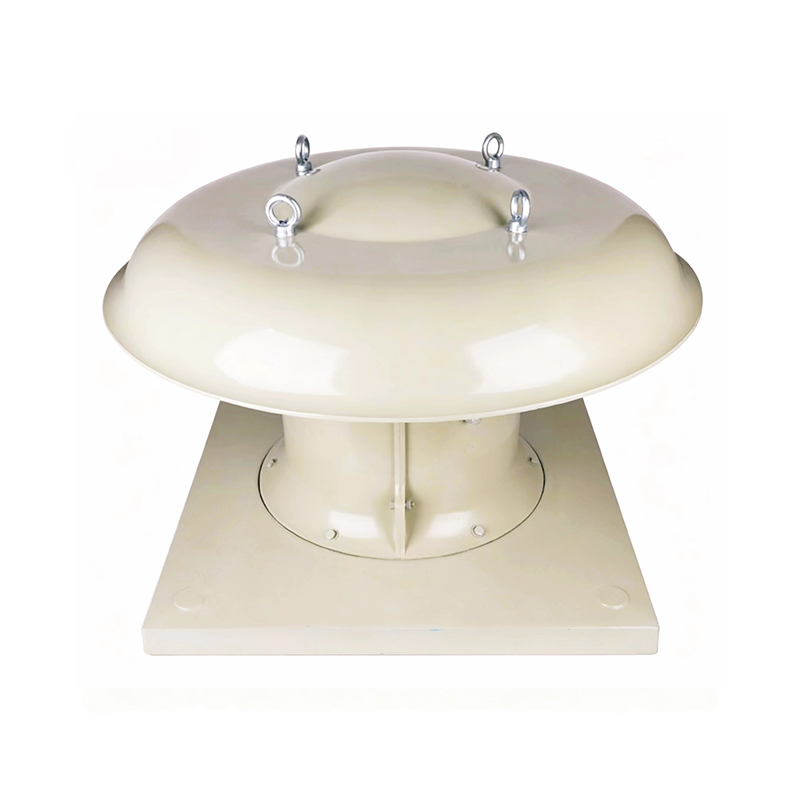
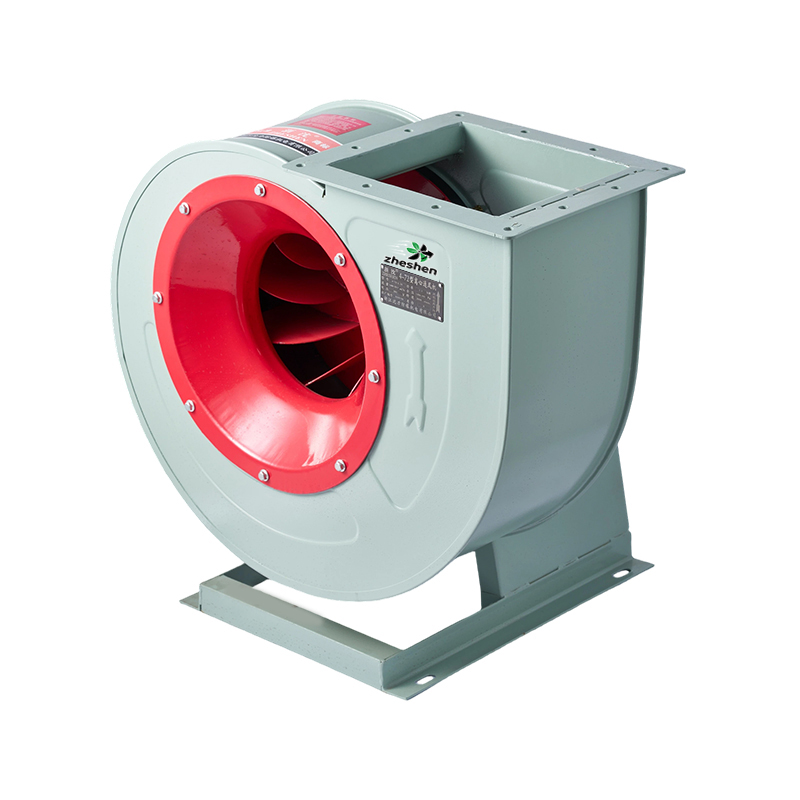
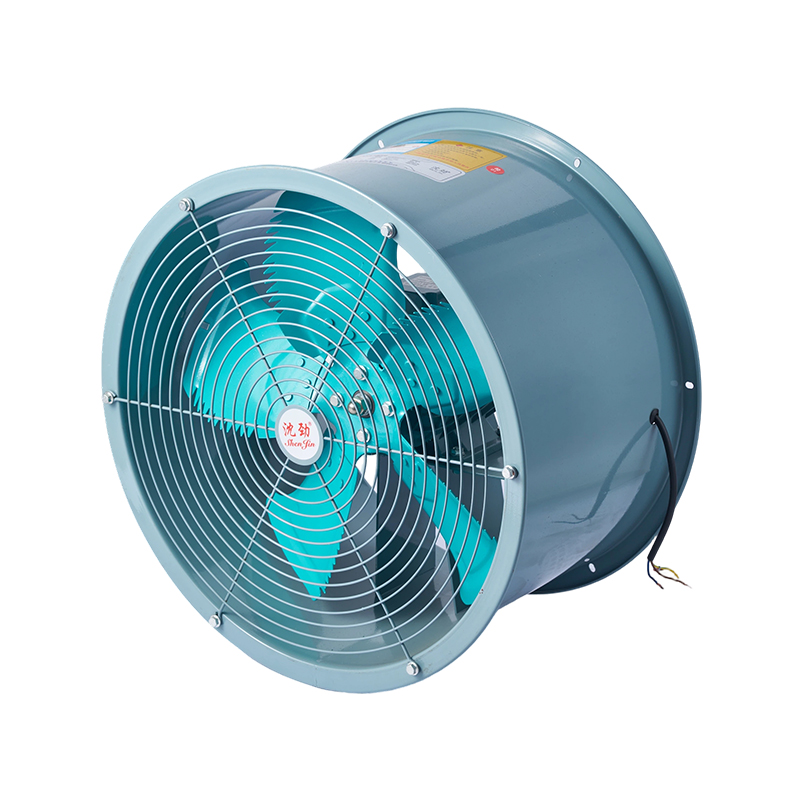
The SF Series of axial-flow fans features smooth, streamlined surfaces, stable operation, high effic...
+ VIEW MOREIndustry News

Chemical processing, solvent handling, fuel transfer and many cleaning operations can release flammable gases or vapours into workplace air. In enclosed rooms, trenches, equipment cabinets and poorly swept corners, those substances may accumulate until the mixture with air enters a flammable range. The risk is not limited to large leaks; small continuous releases can also create local hazardous atmospheres if ventilation is weak or interrupted.
Grinding, conveying, mixing, packaging and cutting of organic or certain inorganic materials generate dust that can remain suspended or settle on beams, ducts and machinery. Settled dust can be disturbed again by air movement or maintenance work. When dust clouds form at sufficient concentration, they present an explosion hazard comparable in seriousness to gas atmospheres, and equipment selection must recognise that distinction where dust classification applies.
Motors, contactors, switches, loose connections and fault currents can produce sparks or elevated surface temperatures. In ordinary non-classified rooms such events may only stop a machine; in a flammable atmosphere they can ignite the surrounding mixture. Ventilation fans contain both rotating parts and electrical components, so their design is part of the ignition-control strategy when they serve classified spaces.
Ventilation dilutes and removes flammable gases, vapours and dust-laden air according to the plant design. It also supports comfort and general air quality. In hazardous locations, however, the ventilator must not undermine the area classification by introducing an unprotected ignition source. That dual requirement—effective air movement plus suitable explosion protection—drives the use of purpose-built fans rather than commercial exhaust units.
Extraction and dilution limit how long a release stays inside the breathing and process zones. When airflow rates and intake positions match the release points, concentrations are held below design targets more reliably than with natural ventilation alone. The fan is one element of that system, not a substitute for process containment.
Enclosed process rooms, storage bays and technical galleries can develop stagnant pockets. Forced circulation mixes air so that local peaks are less likely to persist undetected. Circulation patterns should be planned with the process layout so that dead zones behind tanks or vessels are not ignored.
Exhaust paths carry contaminated air toward filters, scrubbers or approved discharge points. Continuous or demand-controlled extraction keeps the room under the intended pressure relationship with adjacent areas. Fan selection must respect both the chemical nature of the load and the electrical classification along the air path.
By using motors and electrical constructions suitable for the zone or division, the fan avoids becoming an ignition source while it runs. That does not remove other ignition sources on site, but it prevents the ventilation equipment itself from adding to the list.
When airflow duty and protection markings both match the project, the fan supports the written ventilation and hazardous-area concepts. Explosion-Proof Fans are specified for that combined role in classified industrial environments.
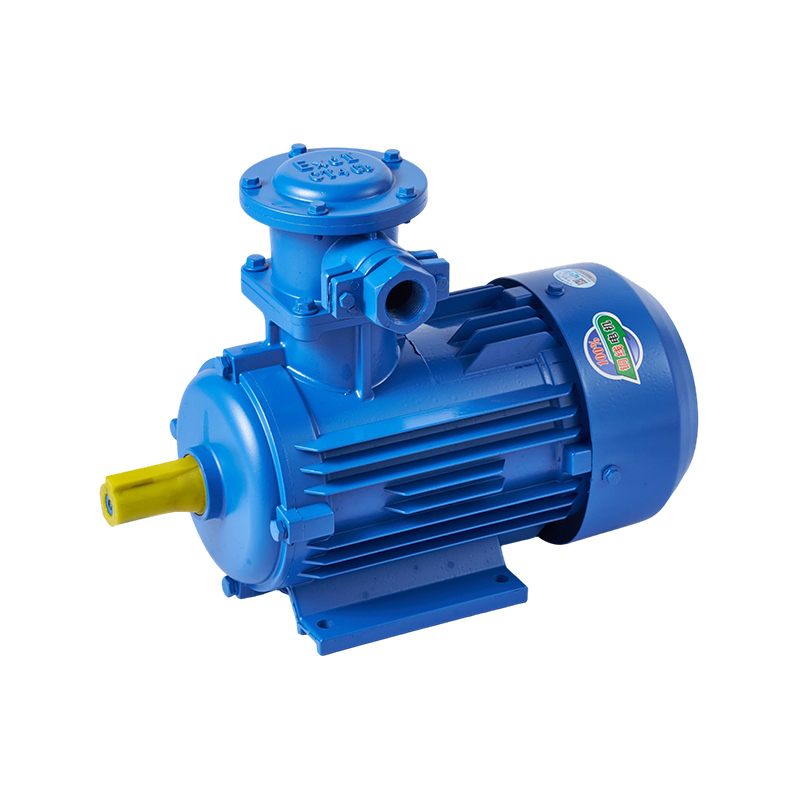
Standard motors are intended for non-classified air. Explosion-protected motors follow defined construction rules so that internal sparks or hot parts do not ignite the external atmosphere, or so that surface temperature stays within the certified limit. The protection concept is stated on the nameplate and in the certificate and must be read against the site classification.
Terminal boxes, cable entries, isolators and any on-board controls form part of the same protection system. Ordinary junction boxes and unprotected switches are not interchangeable with components listed for hazardous-area use. Wiring methods on site must also follow the rules that apply to the location.
Housings and impellers need mechanical strength for the duty and, where relevant, materials compatible with the gases, vapours or dusts present. Structural choices support both air performance and the integrity of the protection concept over the service life.
Standard exhaust fans serve kitchens, warehouses without explosive atmospheres and general workshops. Explosion-protected fans are limited to the gas groups, dust types, temperature classes and zone or division ratings stated in their documentation. Using them outside that scope voids the assumption of suitability.
Area classification drawings and the fan markings are compared before purchase. A fan that moves the correct airflow but carries the wrong protection type or temperature class will not pass competent review for installation in that location.
The motor must carry markings that cover the intended atmosphere and temperature class. Mounting form, power and speed are then chosen so that the impeller duty is met without continuous overload.
The housing supports the motor and impeller, connects to duct or wall openings and withstands expected handling and operating loads. Access for inspection and cleaning should be possible without defeating the protection measures.
Impeller type and diameter are matched to required airflow and system pressure so that operation stays near the intended point on the performance curve. Wrong sizing leads to noise, vibration or failure to achieve design air changes.
Cable entry systems, sealing and terminal arrangements follow the certified design. Field wiring must preserve that integrity after installation.
Certificates and declarations should refer to the exact product variant and the standards required by the project and the market of installation. Family-level claims without variant linkage are not enough for final acceptance.
Reactors, solvent loops, transfer points and sample stations often define gas hazardous areas where room and local exhaust must use protected equipment.
Hydrocarbon handling in production, treating and storage creates classified zones around packages and buildings that need ventilation without ordinary sparking equipment.
Spray booths, mix rooms and drying areas commonly use solvent-borne products. Exhaust and recirculation fans in those atmospheres are typically specified with explosion protection.
Drum storage, dispensing and intermediate holding can release vapours. Extraction designed for those rooms follows the same classification logic as process areas.
Any warehouse or hall where flammable liquids, gases or combustible dusts create a documented explosive atmosphere falls under the same equipment rules for fans that serve that atmosphere.
Zone or division, gas or dust, and the extent of the classified space are taken from the plant documentation. The fan installation point is checked against those drawings.
Representative materials define group and temperature class needs. The fan's certificate must cover those parameters.
Ventilation calculations or an approved design basis fix the duty. The fan is selected to deliver that duty against the real duct and filter resistance.
Nameplate data and certificates are read in full and compared with the classification. Electrical supply characteristics on site must also match the motor.
Wall, duct or roof mounting, weather exposure, access for maintenance and airflow direction are confirmed so that the chosen arrangement can be installed as designed.
Only documents tied to the supplied configuration are relied upon. Incomplete files are resolved before the order is closed.
The BPS type explosion-proof exhaust fan is built for industrial exhaust and ventilation duties where explosion-protected equipment is required. Structure centres on a protected motor, impeller and housing arranged for the stated installation style.
Motor and fan are combined so that air movement and electrical protection are addressed together. Configuration options stay within the certified design of the series.
Typical use includes exhausting air from classified rooms and supporting designed air-change or capture layouts. Exact application depends on matching performance data to the project duty.
Performance ranges, mounting variants and electrical options are those listed for the series. Selection uses published data rather than assumptions from unrelated fan types.
Mounting surface, duct connection, ambient conditions and maintenance access must align with the product instructions and the site classification.
Different airflow needs and installation preferences are handled by choosing among documented options, with any special requirement reviewed against certification limits. Exhaust Fans Explosion Proof in this series are evaluated on markings, duty fit and documentation completeness.
Experience with hazardous-area ventilation products helps align offers with classification and airflow data instead of adapting unprotected commercial fans.
Configuration follows area class, substance group and duty point. Clear enquiry data improve the accuracy of the proposed machine.
Inspection during assembly supports consistent build of motors, housings and electrical interfaces before shipment.
Markings, performance information and installation notes assist engineering review and incoming inspection.
Where certification allows, agreed adaptations to interfaces or documentation packs can be discussed for OEM programmes after written scope definition.
| Factor | Role in Safe Application | What to Confirm |
|---|---|---|
| Area classification | Defines gas or dust zone or division | Fan markings match site drawings |
| Substance type | Sets group and temperature class | Certificate scope covers process materials |
| Airflow and system pressure | Sizes fan to room and duct duty | Design basis, not catalogue guesswork |
| Motor protection | Limits ignition from electrical parts | Full nameplate and variant certificate |
| Housing and impeller | Mechanical fit and air performance | Mounting method and operating point |
| Documentation | Supports approval and inspection | Files tied to exact supplied variant |
Its purpose is to move air for ventilation or extraction where an explosive atmosphere may be present, while the electrical and mechanical design remains suitable for that atmosphere according to certified markings and the site classification.
A standard exhaust fan without the required explosion protection is not suitable for a classified hazardous area, because ordinary electrical parts may act as ignition sources even when airflow is adequate.
An ordinary industrial fan is intended for non-classified spaces. An explosion-protected fan uses motor and electrical construction, markings and related practices that allow it to be considered for installation where hazardous-area rules apply.
Airflow is set by the ventilation design—air-change targets, capture needs, duct layout and release estimates. The fan is then chosen to meet that duty at the expected system pressure.
Buyers should verify certificates and markings for the exact fan and motor variant, including protection type, gas or dust scope and temperature class, against the project classification and the standards required in the destination market.
Intervals follow plant maintenance policy, manufacturer instructions and rules for electrical equipment in hazardous areas. Typical checks cover mounting, cleanliness, vibration and electrical condition; no single interval fits every site.
Hazardous industrial environments combine flammable substances with possible ignition sources. Fans used in those spaces must deliver the designed airflow and carry protection suited to the area classification. Zhejiang Shenli Explosion proof Electromechanical Co., Ltd. produces explosion-protected ventilation equipment for industrial applications. Review of protection markings, performance data and installation conditions against site classification supports selection of an exhaust fan fit for hazardous-area ventilation systems.
The SF Series of axial-flow fans features smooth, streamlined surfaces, stable operation, high effic...
+ VIEW MORE
The Model T40 axial-flow fan is suitable for general ventilation and air exchange in factories, ware...
+ VIEW MORE
The WT35-11 and FWT35-11 series roof-mounted fans feature high airflow volume and—compared to centri...
+ VIEW MORE
The Model 4-72 centrifugal ventilator is designed to convey air and other gases that are non-flammab...
+ VIEW MORE
The YBX3 series of high-efficiency, flameproof, three-phase asynchronous motors is a fully enclosed,...
+ VIEW MORE
The SF series of high-airflow axial fans, designed specifically for kitchen applications, offers a s...
+ VIEW MORE
Copyright ©
Zhejiang Shenli Explosion proof Electromechanical Co., Ltd.
All rights reserved